Wektor Kapitewnia Trading Platform Alternatives 2026
Compare Wektor Kapitewnia alternatives for 2026: regulated brokers, fees, MT4/MT5/cTrader options, markets, and safety checks for US/EU traders.
Wektor Kapitewnia Trading Platform Alternatives 2026: Reliable Options for Online Traders
On-chain flows are brutally honest: funds move, wallets cluster, exits spike, and the “story” follows later. Trading platforms are the opposite—interfaces built from narratives, not receipts. That’s why many readers ask for Wektor Kapitewnia alternatives after they notice a mismatch between what they expect (transparent pricing, clean execution, dependable withdrawals) and what they experience in an offshore CFD setting. Publicly, Wektor Kapitewnia appears to sit in the familiar retail pattern: Forex and CFD trading as the core menu, a proprietary WebTrader plus mobile apps, and leverage that can run high enough to turn a small mistake into a margin call.
Based on what is commonly observable with offshore providers operating under a Seychelles FSA framework, traders may encounter a minimum deposit around $250, headline leverage up to 1:500, and a typical EUR/USD spread around 2.0 pips on standard-style pricing. That mix can suit short-term speculators, but it also concentrates risk: costs compound with volume, and higher leverage magnifies slippage, gaps, and overnight financing charges. If you’re comparing platforms like Wektor Kapitewnia, the 2026 decision point is less about “features” and more about verifiable guardrails—regulators with enforceable rules, segregated client funds, negative balance protection where applicable, and a clear execution model you can test.
Disclaimer: This article is for informational purposes only and does not constitute investment advice. CFDs and other leveraged products carry a high risk of loss and may not be suitable for all investors.
Key Takeaways (TL;DR)
- Offshore CFD pricing (e.g., ~2.0 pips EUR/USD) can quietly dominate results; compare round-turn trading cost (spread + commission + slippage), not leverage headlines.
- Tier-1 regulated brokers can add tangible protections (segregated client funds; in some regions compensation schemes like FSCS up to £85k or ICF up to €20k).
- If you need real stocks/ETFs (not CFDs), prioritize multi-asset brokers such as Interactive Brokers or Saxo Bank over CFD-only stacks.
- Migration is safest when you open and KYC-verify the new account first, then withdraw using the same funding method to reduce AML-related delays.
What Is Wektor Kapitewnia and How Does Its Trading Platform Work?
For practical purposes, Wektor Kapitewnia fits the offshore, CFD-first brokerage profile: it primarily routes clients into leveraged contracts on FX pairs, indices, commodities, and often crypto CFDs rather than offering direct market access to exchange-traded assets. The operating feel is typically “market maker” or internalized execution—fine for many retail flows, but worth testing because requotes, last-look behavior, and slippage around news can be the real cost. The usual target audience is the smaller-account trader attracted to high leverage, low onboarding friction, and a single login that works across web and mobile.
Wektor Kapitewnia Web Trading Platform: Core Features and Tools
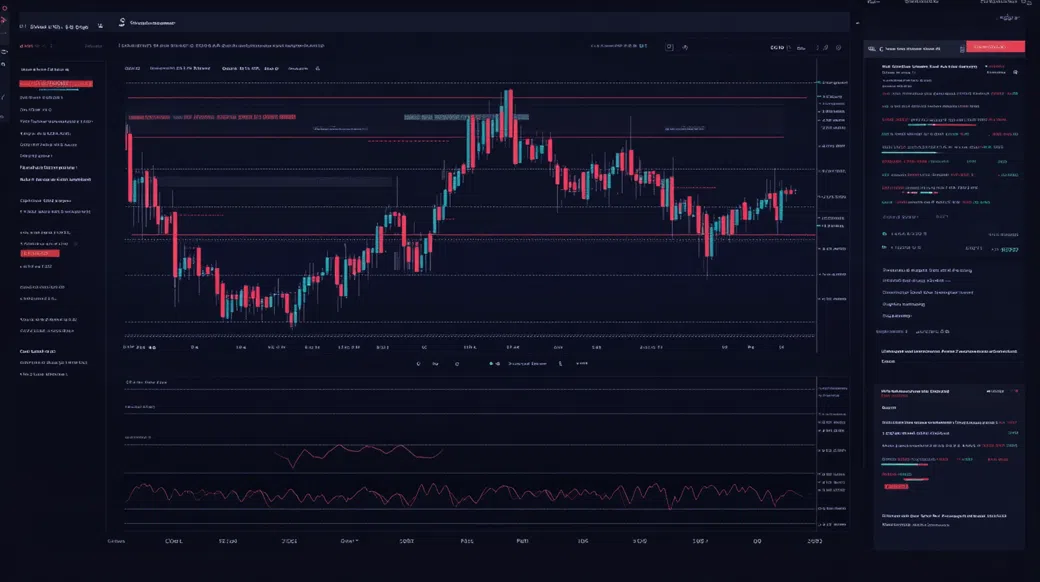
The proprietary WebTrader stack is usually built for speed of onboarding and basic functionality: watchlists, one-click trading, and a charting panel with a workable set of indicators and drawing tools. Expect standard order tickets (market, limit, stop) and basic risk controls like stop-loss/take-profit—though advanced order types and granular routing controls are less common in this category. Mobile apps on iOS/Android generally mirror the web experience, which is convenient, but serious strategy testing (multi-timeframe templates, detailed execution reports, automated strategy tooling) is where competitors to Wektor Kapitewnia often pull ahead with MT4/MT5 or cTrader ecosystems.
Trading Fees, Spreads, and Account Types at Wektor Kapitewnia
Cost structure in offshore CFD venues tends to be spread-led. A realistic reference point is EUR/USD around 2.0 pips on a Standard-style setup, with wider spreads on less liquid pairs and during volatility. Some brokers in this segment advertise “raw” pricing, typically pairing tighter spreads with a round-turn commission (often in the $5–$8 range), plus swap/overnight financing for held positions. Also budget for non-trading frictions: withdrawal fees, card-to-bank processing delays, and inactivity charges can matter more than a tenth of a pip if you’re not trading daily.
When Do Traders Start Looking for Wektor Kapitewnia Alternatives?
Data rarely breaks in one dramatic moment; it erodes confidence with small inconsistencies. The usual catalyst for switching is not “a bad trade,” but a pattern: pricing that looks fine in calm markets yet feels expensive or slippery when volume arrives. For many readers, the trigger is realizing their strategy needs stronger infrastructure—regulated custody rules, clearer execution disclosures, or platforms beyond a basic WebTrader. That’s where Wektor Kapitewnia alternatives become a risk-control decision, not a brand-preference decision.
- You need MT4/MT5 or cTrader for automated strategies, custom indicators, or tighter execution analytics than a proprietary WebTrader provides.
- Your plan involves lower leverage (e.g., ESMA-style limits) and negative balance protection, which is more consistently implemented under top-tier regulators.
- Withdrawals begin taking longer than expected, or fees/rules change in ways that are hard to reconcile from account statements.
- You want real shares/ETFs (with shareholder rights) instead of stock CFDs, especially for longer holding periods.
How to Choose a Reliable Alternative to the Wektor Kapitewnia Trading Platform
Think like a risk engineer, not a shopper: define your strategy’s failure modes, then select the broker that reduces them. For alternatives to the Wektor Kapitewnia trading platform, I treat the decision as a checklist with one non-negotiable line item—verifiable regulation—then I score cost, execution, and platform tooling based on how I actually trade (time horizon, frequency, and instrument mix).
Regulation, Safety, and Investor Protection
Start with the regulator’s public register, not a footer badge. In the US, that means NFA BASIC (and CFTC oversight) for retail FX; in the UK, the FCA register and potential FSCS coverage up to £85,000 for eligible clients; in the EU, CySEC and the ICF framework up to €20,000 in some cases. Strong regimes typically require segregated client funds and clearer complaint pathways—hard protections that offshore setups may not match.
Available Markets and Instruments
Match instruments to objectives. If you only scalp FX and indices, a tight-spread CFD specialist can be ideal. If you build portfolios, you’ll want real stocks/ETFs, bonds, and possibly options or futures under one roof. Brokers similar to Wektor Kapitewnia often emphasize CFDs; multi-asset firms such as Interactive Brokers or Saxo Bank can close the gap with exchange-traded access and deeper product coverage.
Trading Costs: Spreads, Commissions, and Other Fees
Spreads are visible; total cost is not. Compare round-turn cost-of-trade: spread + commission + expected slippage, then layer in swap/overnight financing for holds and any inactivity or withdrawal fees. A jump from ~2.0 pips to sub-1.0 pip pricing can be the difference between a strategy that survives and one that bleeds out, especially for high-frequency FX trading.
Platforms, Tools, and Execution Quality
Platform choice is a tooling decision. MT4/MT5 and cTrader support automation, VPS setups, and a large indicator ecosystem; proprietary platforms can be clean but narrower. Ask how orders are executed: market maker vs STP/ECN vs DMA, and what that implies for slippage during news. If you’re evaluating Wektor Kapitewnia against regulated options vs Wektor Kapitewnia, run a small, logged execution test around a scheduled volatility event and review fills objectively.
Support, Education, and Overall User Experience
Support quality shows up when something goes wrong: funding, KYC, corporate actions, or platform outages. Look for multi-language coverage aligned with your time zone, clear ticketing, and published policies. Education matters less as “tutorials” and more as usable documentation—margin rules, order handling, and fee schedules you can audit. Mobile parity is also key if you manage risk on the move.
Wektor Kapitewnia and Different Asset Classes: When Alternatives May Be Better
Wektor Kapitewnia Forex and CFD Trading
Forex and index CFDs are where Wektor Kapitewnia likely concentrates its offering: roughly a few dozen FX pairs, plus a modest list of indices and commodities, wrapped in high leverage (often up to 1:500). The trade-off is cost and execution transparency. A typical ~2.0 pip EUR/USD spread is workable for swing trades, but it’s hostile to scalpers once you add slippage. For tighter pricing and platform depth, Pepperstone and IC Markets are common benchmarks: both support MT4/MT5 and cTrader, and their “Raw/Razor” style accounts often quote much lower spreads with a clear commission model. If your edge is measured in pips, that structural difference matters more than any bonus or headline leverage.
Wektor Kapitewnia Stock and ETF Trading
Stock exposure at offshore CFD brokers is frequently CFD-only, which changes the economics and the rights: no shareholder voting, no direct custody, and financing costs can accumulate if you hold positions. If your goal is to invest (not just trade price moves), top substitutes for Wektor Kapitewnia are multi-asset brokers built around exchange access. Interactive Brokers is the obvious “data-first” choice for global stocks/ETFs, options, futures, and bonds, with extensive reporting. Saxo Bank is another strong option for multi-asset access with a polished professional-grade platform stack. For EU/UK traders who still want equity CFDs alongside investing tools, IG and CMC Markets also offer broad equity-linked CFD lists—useful, but still structurally different from owning the underlying shares.
Wektor Kapitewnia Crypto Trading
Crypto on platforms like Wektor Kapitewnia is typically delivered as crypto CFDs—a price derivative, not on-chain ownership. That means you can’t withdraw coins to a wallet, verify reserves, or interact with DeFi; you’re trading a broker’s contract with swap/financing and weekend gap risk. If you want regulated crypto CFDs specifically, IG and Plus500 are common references in jurisdictions where they’re permitted, with clearer risk warnings and regulated oversight. If the goal is deeper, multi-asset risk management (crypto-adjacent hedging via indices, FX, or options/futures on other venues), Interactive Brokers and Saxo can be more coherent “one account” solutions—even if the crypto feature set differs by region.
Best Wektor Kapitewnia Alternatives for 2026: Comparison of Top Trading Platforms
Interactive Brokers (IBKR): Key Facts and How It Compares to Wektor Kapitewnia
Regulation: SEC/FINRA (US), FCA (UK), IIROC (Canada)
Markets: Stocks, ETFs, options, futures, FX, bonds, funds (product access varies by region)
Fees: FX pricing is typically spread + commission model (varies by volume); equities pricing depends on plan and venue
Platform: Trader Workstation (TWS), IBKR Desktop/Web/Mobile, APIs
Best For: Data-driven multi-asset traders who need exchange access
Pepperstone: Key Facts and How It Compares to Wektor Kapitewnia
Regulation: FCA (UK), ASIC (Australia), CySEC (EU), DFSA (Dubai)
Markets: FX and CFDs (indices, commodities; availability varies by entity)
Fees: Standard spreads often around ~1.0 pip on EUR/USD; Raw/Razor-style pricing can be ~0.0–0.3 pips + commission (varies)
Platform: MT4, MT5, cTrader
Best For: Execution-focused FX traders running EAs or scalping systems
IG: Key Facts and How It Compares to Wektor Kapitewnia
Regulation: FCA (UK), ASIC (Australia), MAS (Singapore)
Markets: CFDs (FX, indices, commodities, shares), spread betting (UK/IE where permitted)
Fees: Costs vary by instrument; FX spreads are typically competitive on major pairs, with wider pricing off-peak
Platform: IG Web Platform, mobile app (MT4 available in some regions)
Best For: Broad CFD market coverage with strong regulatory oversight
Saxo Bank: Key Facts and How It Compares to Wektor Kapitewnia
Regulation: FCA (UK), MAS (Singapore), DFSA (Dubai)
Markets: Stocks, ETFs, bonds, options, futures, FX, CFDs (availability depends on location)
Fees: Pricing depends on tier and product; FX spreads typically from sub-1.0 pip on majors for many accounts (varies)
Platform: SaxoTraderGO, SaxoTraderPRO
Best For: Portfolio-style traders combining investing and active hedging
CMC Markets: Key Facts and How It Compares to Wektor Kapitewnia
Regulation: FCA (UK), ASIC (Australia), BaFin (Germany)
Markets: CFDs (FX, indices, commodities, shares)
Fees: FX spreads can be tight on majors; commissions may apply on share CFDs depending on region
Platform: Next Generation platform, mobile app (MT4 available in some regions)
Best For: Technical analysts who want robust charting in a proprietary platform
Plus500: Key Facts and How It Compares to Wektor Kapitewnia
Regulation: FCA (UK), CySEC (EU), ASIC (Australia), MAS (Singapore)
Markets: CFDs (FX, indices, commodities, shares; crypto CFDs where permitted)
Fees: Primarily spread-based pricing; additional costs can include overnight funding
Platform: Plus500 WebTrader, Plus500 mobile app
Best For: Simplicity-first CFD traders who don’t need MT4/MT5
Comparison Summary
| Platform | Regulation | Main Markets | Typical Costs | Best For |
|---|---|---|---|---|
| Interactive Brokers (IBKR) | SEC/FINRA, FCA, IIROC | Stocks/ETFs, options, futures, FX, bonds | FX often spread+commission; equities fees vary by plan/venue | Data-driven multi-asset traders who need exchange access |
| Pepperstone | FCA, ASIC, CySEC, DFSA | FX + CFDs | Std ~1.0 pip; Raw ~0.0–0.3 pips + commission (varies) | Execution-focused FX traders running EAs or scalping systems |
| IG | FCA, ASIC, MAS | CFDs (FX/indices/shares), spread betting (where permitted) | Competitive majors; instrument-dependent pricing and financing | Broad CFD market coverage with strong regulatory oversight |
| Saxo Bank | FCA, MAS, DFSA | Multi-asset (stocks/ETFs, options, futures, FX, CFDs) | Tiered; FX often from sub-1.0 pip on majors (varies) | Portfolio-style traders combining investing and active hedging |
| CMC Markets | FCA, ASIC, BaFin | CFDs (FX/indices/commodities/shares) | Tight majors; share-CFD commissions may apply by region | Technical analysts who want robust charting in a proprietary platform |
| Plus500 | FCA, CySEC, ASIC, MAS | CFDs (FX/indices/shares; crypto CFDs where permitted) | Spread-based; overnight funding can be material for holds | Simplicity-first CFD traders who don’t need MT4/MT5 |
How to Safely Move from Wektor Kapitewnia to Another Broker
Switching brokers is a controlled unwind, not a leap. Treat it like reducing exposure: confirm the new venue is real, funded, and usable before you drain the old account. The fastest way to lose money in this process isn’t a bad spread—it’s operational error: withdrawing to the wrong rail, leaving positions open into a volatile weekend, or missing KYC windows. If you’re moving off Wektor Kapitewnia, keep leverage risk in mind during the transition; forced liquidation can happen while you’re distracted by paperwork.
- Verify the new broker’s license directly on the regulator’s site (FCA register, ASIC Connect, CySEC listing, or NFA BASIC), matching the legal entity name—not just the brand.
- Create the new account and complete KYC/AML checks (ID + proof of address) before you change anything on the old account; approval is often quick, but don’t assume same-day.
- Export and store statements, trade history, and funding records from the current platform so you have an audit trail for taxes and dispute resolution.
- Flatten open positions on the old account rather than expecting transfers; most retail CFD positions cannot be moved broker-to-broker.
- Withdraw using the same method you used to deposit whenever possible; many payment processors enforce this sequencing to satisfy AML rules.
Ready to Explore Wektor Kapitewnia?
If you’re still evaluating the platform, review the current account terms and regional restrictions, then compare them side-by-side with regulated options that match your instrument needs and platform stack. Make the decision with logs: fees, execution quality, and withdrawal workflow are measurable.
Visit Wektor KapitewniaFAQ: Wektor Kapitewnia Alternatives and Trading Platforms
What is the best alternative to Wektor Kapitewnia in 2026?
The best choice depends on whether you need exchange-traded assets or mainly FX/CFDs. For multi-asset access (real stocks/ETFs plus derivatives), Interactive Brokers and Saxo Bank are strong picks; for FX execution and MT4/MT5/cTrader workflows, Pepperstone is often a better fit than offshore CFD venues. This is the core split I use when ranking the best Wektor Kapitewnia alternatives 2026.
Is Wektor Kapitewnia a safe broker/platform?
Wektor Kapitewnia appears to operate under an offshore framework (commonly seen with Seychelles FSA entities), which typically provides fewer investor-protection layers than FCA/ASIC/CySEC/NFA-regulated brokers. That doesn’t automatically mean fraud, but it does change the risk profile: dispute resolution, compensation coverage, and oversight can be thinner. If “safe” means enforceable rules, segregated client funds, and strong regulator supervision, prioritize regulated alternatives.
Can I trade stocks, futures, or crypto with Wektor Kapitewnia?
With Wektor Kapitewnia, exposure is typically centered on FX and CFDs; stock access is often CFDs rather than owning shares, and futures are usually not offered as exchange-traded contracts. Crypto, when available, is generally crypto CFDs (price exposure, not on-chain coins you can withdraw). If you need real stocks/ETFs or listed futures, Interactive Brokers or Saxo Bank are more aligned with that requirement.
What should I check before switching from Wektor Kapitewnia to another platform?
Before switching, confirm the new broker’s legal entity on the regulator’s register, then test the platform with a small deposit and recorded execution results. Compare round-turn trading cost (spread + commission + typical slippage) against the ~2.0 pip EUR/USD pricing you may see at offshore venues, and read the withdrawal/KYC rules carefully. For traders mapping out Wektor Kapitewnia trading platform alternatives 2026, those checks usually prevent the most expensive surprises.
About the Author: Alice Wu is a data scientist and market analyst who audits trading claims against observable data—transaction patterns, fee mechanics, and execution outcomes. She writes about broker risk, market structure, and trading systems with a bias toward what can be measured and verified. The market lies; data does not.