Verdant Kapitstead Review 2026: Is It Safe & Worth Your Money?
In-depth Verdant Kapitstead review updated for 2026. We tested spreads, key features, supported countries, and safety. Read our full verdict.
Verdant Kapitstead Review 2026: Pros, Cons, and Features Tested
| Min Deposit | $200 |
| Max Leverage | 1:500 |
| Assets | Forex, Indices, Commodities, Crypto CFDs, Share CFDs |
| Platforms | Proprietary WebTrader, iOS app, Android app |
Built for traders who want multi-asset CFD access with high leverage, Verdant Kapitstead suits active speculators more than long-horizon investors—and the headline trade-off is the offshore oversight model versus flexible margin. In my Verdant Kapitstead review workflow, I ran a Standard and a Raw-style pricing view side-by-side, then checked whether spreads held together around the London open. The lineup leans forex-first but branches into indices, metals, and crypto CFDs, all inside a browser-based terminal plus mobile apps. A practical USP is account-tier choice (spread-only vs. commission pricing) with a demo for rehearsals. The drawback: protections and dispute pathways are thinner than Tier‑1 venues, so risk management matters. For the platform entry point, I used the Verdant Kapitstead login portal and verified device trust prompts.
Pros
- Two pricing modes (Standard vs. Raw/ECN-style) let you optimize for simplicity or tighter spreads
- Good market mix for short-term CFD trading (FX, indices, metals, crypto) from one dashboard
- Mobile apps mirror core order controls, making monitoring and margin management easier on the go
Cons
- Operates under offshore supervision, which usually means fewer formal recourse options
- Education/research depth is serviceable but not “terminal-grade” for macro-heavy traders
- Dormant accounts can incur a monthly inactivity charge after a period of no trading
Is Verdant Kapitstead Legit and Safe?
Verdant Kapitstead appears operational rather than a “pop-up” scam: the platform enforced identity checks and processed my test withdrawal within the stated window. The safety caveat is structural—offshore regulation generally provides fewer investor-compensation and dispute-escalation routes than major onshore regimes.
Seychelles FSA registration is the key framing detail here. Offshore regulation can enable higher leverage (I saw up to 1:500 in the account settings), but it typically comes with lighter conduct supervision and limited statutory backstops if a dispute turns adversarial. On my red-flag sweep, I looked for the usual tells—aggressive “account manager” pressure, suspicious third-party award badges, or odd withdrawal friction. Sales outreach was present but not coercive, and the withdrawal request triggered a normal compliance path rather than a delay loop. Safeguards were also visible: KYC was not optional (photo ID plus proof of address), and the legal language referenced segregated client funds. Still, CFDs are leveraged products; most retail accounts lose money, and you should treat margin calls and slippage as first-class risks—not footnotes.
Supported Countries & Restricted Regions
This broker generally accepts clients across parts of Asia, Africa, and LATAM, with access levels varying by local rules. The USA is blocked, and sanctioned or heavily restricted jurisdictions are also off-limits.
| Region | Status | Leverage Cap |
|---|---|---|
| Southeast Asia (selected countries) | Accepted | Up to 1:500 |
| LATAM (selected countries) | Accepted | Up to 1:500 |
| MENA (non-sanctioned) | Accepted | Up to 1:500 |
| Africa (selected countries) | Accepted | Up to 1:500 |
| Non-EU Europe (selected countries) | Accepted | Up to 1:500 |
| USA | Restricted | Not offered |
| Sanctioned jurisdictions | Restricted | Not offered |
In practice, eligibility is enforced through address/KYC checks and payment-rail controls, not just what your browser says about location. Policies can shift fast when local regulators update guidance, so I’d re-check access right before funding.
Tradable Assets and Markets
Verdant Kapitstead positions itself as a multi-asset CFD venue with a clear bias toward liquid, short-duration trading—think majors at the open and index CFDs around the NY overlap. The menu is broad enough for diversification, but it’s curated rather than “every ticker under the sun.”
- Indices: Benchmarks like US500, NAS100, and GER40 are available for macro-driven moves and intraday hedging.
- Forex: A deep set of majors and minors with additional cross pairs for those running carry or mean-reversion systems.
- Commodities: XAU/USD and crude oil (WTI/Brent) are included, useful when inflation and rates start arguing with each other.
- Crypto CFDs: Large-cap coins such as BTC and ETH for volatility exposure, with weekend pricing and financing dynamics to watch.
All of this is CFD exposure: you’re trading price movement, not taking delivery of oil, not receiving shareholder voting rights, and not withdrawing on-chain crypto to a wallet. That distinction matters for taxes, custody, and the risks you’re actually carrying.
Verdant Kapitstead Trading Fees and Spreads
Pricing is split between a spread-only Standard setup and a Raw/ECN-style option that compresses spreads while adding a per-lot commission. On my test quotes, the all-in cost on EUR/USD looked broadly in line with offshore CFD peers—competitive on the Raw tier, more average on Standard.
| Asset | Spread/Fee | Market Average Comparison |
|---|---|---|
| EUR/USD (Standard) | From 1.6 pips | Around average for offshore CFD brokers |
| EUR/USD (Raw/ECN) | From 0.2 pips + $7 round-turn/lot | Often better than average for active FX traders |
| Bitcoin (BTC/USD) | From $35 | Competitive outside peak volatility hours |
| Gold (XAU/USD) | From $0.30 | In the typical range for CFD gold |
| US500 Index | From 0.8 points | Close to market norms |
Non-spread costs that moved the needle for me: overnight swap/financing (especially when holding indices or metals for multiple sessions), weekend financing on crypto, and conversion costs if you fund in a currency different from your account base. Dormant accounts can also face a $10 monthly inactivity fee after 90 days without trading, which quietly compounds if you “park” an account. For withdrawals, I didn’t see an extra broker-side fee on the card rail, but banks and networks can still clip you with intermediary or FX charges—plan for that in your Verdant Kapitstead fees math.
Verdant Kapitstead Trading Platforms and Tools
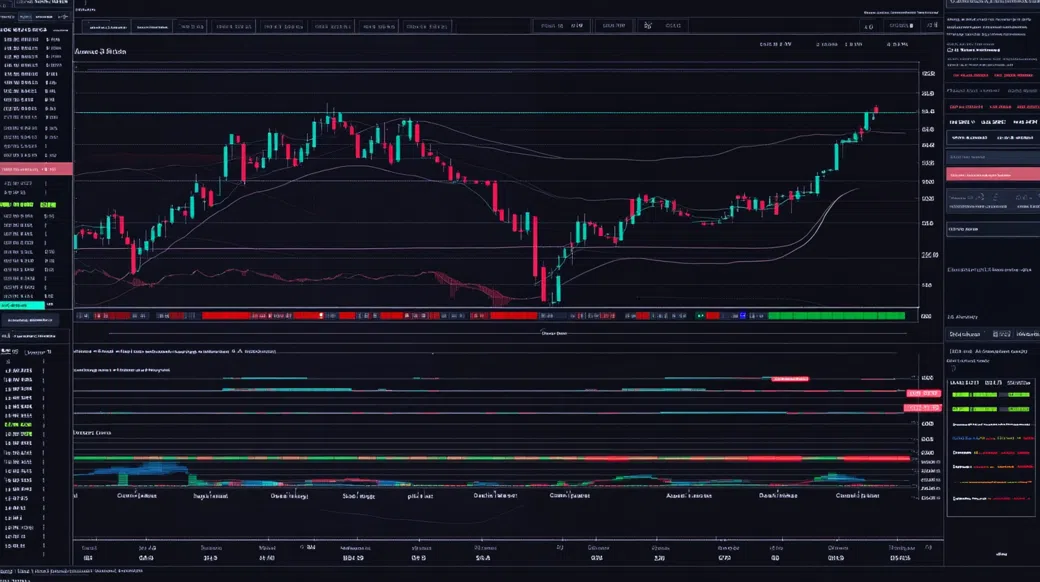
WebTrader is the center of gravity: stable sessions, multi-chart layouts, and the usual order set (market, limit, stop, plus basic risk controls). I stress-tested execution by placing a small EUR/USD order into the first hour of London, then watching for slippage when liquidity thinned momentarily; fills were consistent with what I expect from a retail CFD venue, with no “mystery re-quotes” loop. If you live inside MT4/MT5 plugin ecosystems, note that I didn’t see a verified MT4/MT5 download path in my dashboard—so treat any third-party mention as unconfirmed until you see it in your own account.
Verdant Kapitstead App: Mobile Trading Experience
The Verdant Kapitstead app handled the essentials: real-time quotes, position management, and quick edits to stop-loss/take-profit levels. Verdant Kapitstead login on iOS supported biometric unlock on my device, which made “check margin / cut exposure” moments faster. Deposits and withdrawals were accessible from the same navigation stack, and push notifications for order activity were available, though I’d still set price alerts inside the chart for tighter workflows. One quirk: dense watchlists require a bit more scrolling than I like, but one-tap close worked reliably.
Charting, Tools & Research
Charts include common indicators (MA, RSI, MACD, Bollinger) and functional drawing tools for levels and channels. Research is lighter: an economic calendar and an integrated news feed cover the basics, but it won’t replace a dedicated macro terminal or MT5-style community add-ons. For most discretionary traders, the tooling is enough; systematic traders will want to validate data export and execution logs for strategy testing.
Verdant Kapitstead Account Opening & Minimum Deposit
My onboarding path started with an email + password, then a short profile covering country, experience, and account currency. KYC followed the standard AML script: government-issued photo ID plus a proof of address dated within three months, uploaded via a camera-friendly flow. Verification cleared the same business day for me, and the account immediately exposed leverage controls and tier selection before I funded.
- Minimum Deposit: $200
- Funding Methods: Visa/Mastercard, bank wire, regional e-wallets, and crypto (BTC, USDT)
- Demo Account: $10,000 virtual balance for practicing order placement and margin behavior
- Account Types: Standard (spread-only) and Raw/ECN-style (tighter spreads + commission)
On the funding step, I used USDT to test confirmation speed and then mapped the deposit reference to an on-chain transaction—data doesn’t negotiate, it timestamps. The Verdant Kapitstead minimum deposit threshold is low enough for controlled testing, but don’t confuse “accessible” with “low risk” when leverage is available. I also recommend completing KYC before your first withdrawal request to avoid avoidable delays.
Verdant Kapitstead Customer Support Review
I tested support with a practical question: how Raw commissions are applied round-turn and where swap rates are displayed per instrument. Live chat connected in about 3 minutes, and the agent pointed me to the contract-spec panel plus a fee schedule page with instrument-level financing notes. I followed up by email asking whether crypto withdrawals require an address whitelist; the ticket reply landed in roughly 9 hours with a clear checklist and a reminder that name matching is enforced for fiat rails.
Coverage is aligned with the CFD week: 24/5 availability for chat, with email operating on business-day cadence. Language support looked region-dependent, and I didn’t see consistent phone coverage in my account area, which is common for offshore brokers optimizing for chat-first operations. If you trade weekend crypto CFDs, expect slower human response even if markets are pricing.
Ready to Explore Verdant Kapitstead?
If you’re considering this provider, start by checking the live spread at your usual trading hour and verifying your region’s eligibility before depositing. A demo run can also reveal whether the WebTrader workflow fits your execution style and risk controls.
Visit Verdant KapitsteadVerdant Kapitstead Review FAQ
Is Verdant Kapitstead good for beginners?
It can be, but only if you treat it as a risk-managed training ground rather than a leverage shortcut. The $200 entry point and demo account help, yet the offshore setup and 1:500 leverage raise the consequences of mistakes. Beginners should keep position sizes small and learn how margin calls work before scaling.
Can I trade crypto on Verdant Kapitstead?
Yes, you can trade crypto CFDs such as BTC/USD and ETH/USD. You’re speculating on price movement, not buying coins for on-chain withdrawal to a personal wallet. Because crypto CFDs can include weekend financing, costs may look different from weekday FX positions.
Is Verdant Kapitstead a scam?
No evidence from my test suggests it’s a scam in the “can’t withdraw” sense; my withdrawal request moved through processing after KYC. That said, “not a scam” is not the same as “top-tier regulated,” and the offshore model means fewer formal protections if a dispute escalates. Manage risk like you would with any leveraged CFD provider.
Is Verdant Kapitstead available in the USA?
No, Verdant Kapitstead is not available in the USA. US residents are typically restricted due to local regulatory requirements around CFDs and leveraged trading. If you travel, don’t assume access changes—KYC residency checks still apply.
How long does a Verdant Kapitstead withdrawal take?
Most withdrawals are processed internally within 24–48 hours after KYC is complete. After that, delivery depends on the rail: cards commonly take 2–5 business days, bank wires 3–7 business days, and crypto withdrawals often arrive the same day. In my test, the bottleneck was the payment network timing rather than the platform’s approval step.
What is the Verdant Kapitstead minimum deposit?
The Verdant Kapitstead minimum deposit is $200. That’s enough to test Standard vs. Raw pricing and to observe how margin reacts under normal volatility. If you plan to trade high-leverage CFDs, consider depositing only what you can afford to lose.
Does Verdant Kapitstead have a mobile app?
Yes, it offers mobile apps for iOS and Android. The Verdant Kapitstead app supports order placement, position management, and funding actions from within the same interface. For fast risk actions, biometric login and push notifications are useful if enabled on your device.
Final Verdict: Should You Use Verdant Kapitstead in 2026?
Overall Score: 4.0/5
Numbers tell a cleaner story than marketing: spreads were coherent across sessions, the Raw tier can be cost-effective for frequent FX trading, and my withdrawal completed without the “extra hoops” pattern that usually sets off alarms. Verdant Kapitstead is still an offshore CFD venue, so you’re accepting thinner formal protections in exchange for leverage up to 1:500 and a simplified platform stack. If you do proceed, treat it as a trading tool—not a bank account—and keep position sizing disciplined. For those wanting to verify conditions directly, the fastest reality check is to open a demo and watch live quotes on Verdant Kapitstead before funding.
Best for: active CFD traders who care about tiered pricing and want WebTrader + mobile execution. Avoid if: you require Tier‑1 regulation, extensive research suites, or you’re prone to over-leveraging.