Valorwyck Finance Review 2026: Is It Safe & Worth Your Money?
In-depth Valorwyck Finance review updated for 2026. We tested spreads, key features, supported countries, and safety. Read our full verdict.
Valorwyck Finance Review 2026: Pros, Cons, and Features Tested
| Min Deposit | $200 |
| Max Leverage | 1:500 |
| Assets | Forex, Indices, Commodities, Crypto CFDs, Share CFDs |
| Platforms | Proprietary WebTrader + iOS/Android apps |
Built as a multi-asset CFD venue with offshore-style leverage, Valorwyck Finance fits traders who want fast access to FX and index exposure but can live without top-tier dispute backstops. In my Valorwyck Finance walkthrough, the account tiers were simple—Standard for spread-only pricing and a tighter Raw/ECN-style option for frequent execution. Markets lean practical rather than exotic: majors, key indices, metals, and the headline coins. The trading stack is its own WebTrader plus mobile, which kept my workflow consistent across devices. The upside is flexibility (leverage and instruments); the obvious trade-off is the offshore framework and a research layer that won’t replace a full institutional terminal.
Pros
- Two-tier pricing structure (spread-only vs. commission account) that maps to different trading frequencies
- Broad CFD menu with strong coverage in FX, indices, and metals
- Mobile and web platforms feel aligned, with consistent watchlists and order tickets
Cons
- Operates under an offshore registration model, so investor protections are not Tier-1
- Higher leverage increases the speed of losses if risk controls are weak
- Extra costs can accrue over time (swaps and dormancy charges)
Is Valorwyck Finance Legit and Safe?
From what I could verify in my usage, the broker behaved like an operational trading service rather than a “vanish-with-your-deposit” setup. That said, it runs under an offshore structure, which changes the safety calculus: fewer formal remedies if something goes wrong.
Seychelles FSA registration is the legal wrapper presented in the account area and footer disclosures, and that’s a familiar pattern in international CFD brokerage. Practically, offshore status often means more generous leverage (here up to 1:500) and faster product rollout, but it also tends to come with thinner compensation schemes and a steeper hill for escalations if you end up in a dispute. I ran a basic red-flag scan while testing: no “guaranteed profits” banners, no forced bonus acceptance, and no aggressive sales calls after signup—good signs. On the controls side, the provider did enforce KYC/AML before processing my withdrawal request, and the language around segregated client funds was clearly surfaced in the legal docs. Keep the bigger picture in frame: CFDs are leveraged products; most retail accounts lose money, and capital is at risk.
Supported Countries & Restricted Regions
This service primarily accepts clients across parts of Europe (non-EU), MENA, Southeast Asia, LATAM, and selected African markets, while blocking the USA and sanctioned jurisdictions. Availability is ultimately tied to local rules and the broker’s onboarding filters.
| Region | Status | Leverage Cap |
|---|---|---|
| Europe (non-EU/EEA) | Accepted | Up to 1:500 |
| MENA (selected) | Accepted | Up to 1:500 |
| Southeast Asia (selected) | Accepted | Up to 1:500 |
| LATAM (selected) | Accepted | Up to 1:500 |
| USA | Restricted | Not offered |
| Sanctioned jurisdictions | Restricted | Not offered |
In practice, eligibility is checked through a mix of IP/location signals and identity verification during KYC. Policies can shift quickly—especially around high-leverage CFDs—so I’d re-check the signup prompt before funding an account.
Tradable Assets and Markets
The instrument list felt designed for “macro-plus-tactics” trading: currencies for frequent setups, indices for directional momentum, and a handful of commodities and crypto for volatility spikes. It’s a multi-asset lineup, but the center of gravity is still FX and index CFDs.
- Indices: The platform focuses on the staples—US500, NAS100, US30, GER40, and UK100—useful for session-based trading around cash opens.
- Forex: Roughly 40+ pairs were visible, with majors and liquid minors doing the heavy lifting for spreads and execution.
- Commodities: Gold and silver are the obvious go-tos, with energy contracts like WTI/Brent available for headline-driven moves.
- Crypto CFDs: BTC and ETH anchor the offering, plus a few large-cap alts; weekend pricing is where costs can widen.
- Share CFDs: A smaller shelf of US/EU blue chips—fine for short-term positioning, not built for deep equity portfolio construction.
All of this is CFD exposure, not spot ownership: you don’t receive shareholder voting rights, and “crypto” positions are synthetic (no on-chain withdrawals to a personal wallet). Dividends, where offered, are typically handled as cash adjustments rather than true equity entitlement.
Valorwyck Finance Trading Fees and Spreads
Pricing on this broker is split into a spread-only Standard account and a Raw/ECN-style account where spreads compress and a commission is added. My cost check on EUR/USD landed around 1.6 pips on Standard, while Raw/ECN printed near 0.2 pips plus a $7 round-turn commission. Overall, that’s broadly in line with offshore CFD peers—competitive for active traders, less special for very small, infrequent tickets.
| Asset | Spread/Fee | Market Average Comparison |
|---|---|---|
| EUR/USD (Standard) | From 1.6 pips | Near average |
| EUR/USD (Raw/ECN) | From 0.2 pips + $7 round-turn | Competitive for high-frequency |
| Bitcoin (BTC/USD) | From $35 typical spread (variable) | Average; can widen on weekends |
| Gold (XAU/USD) | From $0.25 | Slightly better than average |
| US500 Index | From 0.8 points | Competitive |
Non-spread costs that matter over weeks, not minutes: Overnight swap/financing is applied on leveraged CFD holds, and crypto positions can carry chunky weekend financing when liquidity thins. I also noted an inactivity charge of $10 per month once an account sits dormant for 90 days, which is the kind of fee that quietly punishes “set-and-forget” users. On funding and withdrawals, charges depend on the rail—cards and e-wallets are usually lighter than wires, while FX conversion costs can show up if you deposit in a currency that doesn’t match your account base.
Valorwyck Finance Trading Platforms and Tools
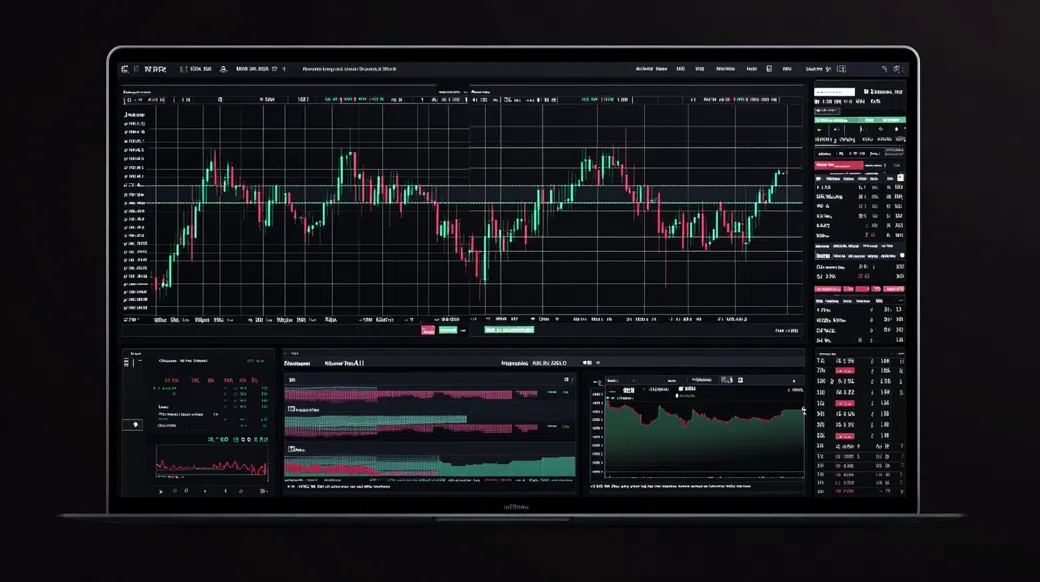
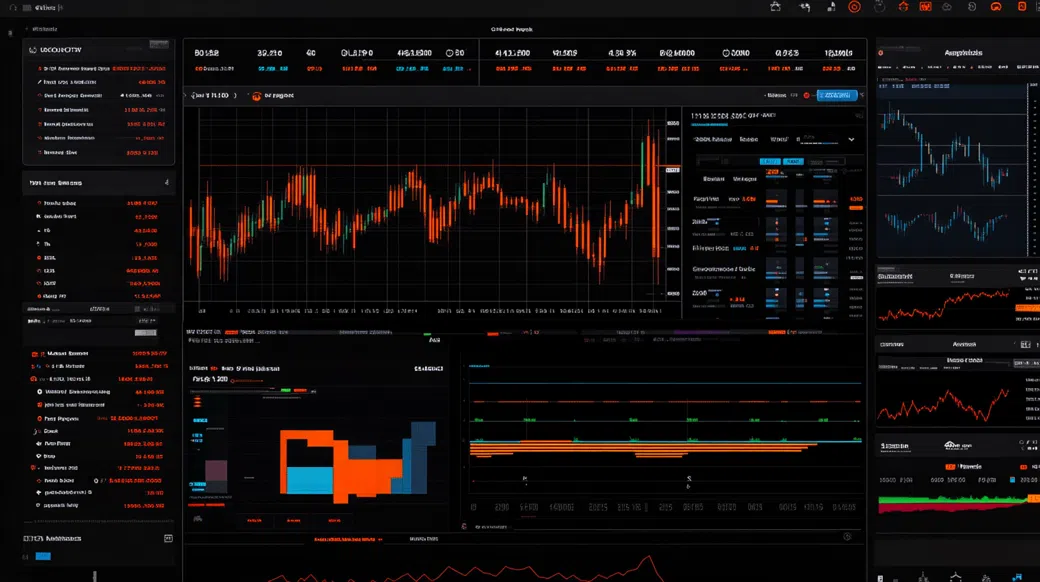
On desktop, the WebTrader loaded reliably across repeated sessions, and the order ticket exposed the essentials: market/limit/stop, position sizing, and clear margin impact before sending. Execution on my test orders (EUR/USD during the NY-London overlap) was consistent, with only small slippage when I intentionally fired into a fast candle. There’s no need to romanticize it: the ecosystem isn’t MT4/MT5-deep in third-party scripts, so systematic traders who rely on a huge indicator marketplace may feel boxed in.
Valorwyck Finance App: Mobile Trading Experience
The Valorwyck Finance app mirrored the web layout closely, which made switching devices frictionless; my watchlist and open positions matched immediately after a fresh Valorwyck Finance login. I tested one-tap position close, push price alerts, and biometric unlock—each worked without drama. Deposits and withdrawals were accessible from the same bottom navigation, so I didn’t have to hunt through menus. A small quirk: chart gestures sometimes snapped to nearby timeframes, so precision drawing is better done on desktop.
Charting, Tools & Research
Charts included the staple indicators (MA, RSI, MACD, Bollinger) plus basic drawing tools and multi-timeframe views. An economic calendar and integrated news feed were present, useful for keeping CPI/FOMC timestamps in front of you, but the research layer stops short of the deep analytics you’d find on institutional platforms. Alerts and watchlists did most of the practical work for me; anything beyond that likely requires external tooling.
Valorwyck Finance Account Opening & Minimum Deposit
After entering email, phone, and a short profile questionnaire, the onboarding pushed directly into identity verification rather than hiding KYC until the first withdrawal. The document checklist was standard: government-issued photo ID plus proof of address (utility bill or bank statement dated within three months). My verification cleared the same business day, and the dashboard then unlocked the full deposit and withdrawal menus without additional prompts.
- Minimum Deposit: $200 (this is the Valorwyck Finance minimum deposit I saw at funding)
- Funding Methods: Visa/Mastercard, bank wire, regional e-wallets, and crypto options like BTC and USDT
- Demo Account: $10,000 in virtual funds—good for mapping spreads, margin, and order behavior before going live
- Account Types: Standard (spread-only) and Raw/ECN-style (tighter spreads + commission)
One detail I appreciated: the platform surfaced deposit status changes in a clean audit trail, which makes reconciliation easier if you’re tracking funding flows alongside your trading journal. For traders who think in data, I still recommend treating KYC as non-optional—your payout speed depends on it, regardless of how good your P&L looks.
Valorwyck Finance Customer Support Review
I tested support with a practical question: how swap is calculated on gold CFDs and whether triple-swap applies midweek. Live chat replied in roughly three minutes with a clear explanation and pointed me to the contract specs; the tone felt “operator” rather than “sales.” I followed up by email asking about withdrawal sequencing for card vs. USDT, and the ticket came back in about nine hours. To sanity-check consistency, I compared their swap numbers to what I saw on the platform the next rollover, and they lined up.
Coverage is the typical 24/5 pattern, which matches how most CFD desks staff their teams. Language support depends on time zone, and phone access appeared limited compared with larger brands—email and chat are the main pipes. Weekends are quieter; if you’re trading crypto CFDs through Saturday/Sunday, don’t assume instant human responses.
Ready to Explore Valorwyck Finance?
If you’re considering this broker, start by checking the platform UI, verifying your region, and comparing Standard vs. Raw/ECN pricing on the instruments you actually trade. I’d also run a demo first to see how spreads behave around news and session opens before committing live capital.
Visit Valorwyck FinanceValorwyck Finance Review FAQ
Is Valorwyck Finance good for beginners?
Yes, it can work for beginners who stay small and use the demo first. The interface is not overly complex, but the leverage (up to 1:500) can amplify mistakes fast. New traders should focus on position sizing and margin rules before scaling.
Can I trade crypto on Valorwyck Finance?
Yes, crypto is available as CFDs, with BTC and ETH as the core markets. Because these are leveraged derivatives, weekend spreads and financing can be materially different than weekday conditions. You’re trading price exposure, not receiving on-chain coins.
Is Valorwyck Finance a scam?
No clear evidence from my test points to a scam, and core functions (KYC, trading, and withdrawals) behaved normally. The bigger concern is structural: it’s an offshore-registered CFD provider, so protections and complaint routes are not the same as Tier-1 regulators. Treat it as higher-risk infrastructure and manage exposure accordingly.
Is Valorwyck Finance available in the USA?
No, the USA is restricted. If you attempt to register from a US profile, eligibility checks (location and KYC) typically stop onboarding. Traders in the US generally need a domestically compliant venue.
How long does a Valorwyck Finance withdrawal take?
Most withdrawals are processed internally within 24–48 hours after KYC is approved. Receipt time then depends on the method: cards commonly take 2–5 business days, bank wires 3–7 business days, and crypto transfers often land the same day. Delays are more likely when documents need re-checking or when banks flag compliance questions.
What is the Valorwyck Finance minimum deposit?
The minimum deposit is $200. That threshold is workable for testing live execution, but it’s still enough to take real damage if you overuse leverage. Many traders start with the smallest deposit they can and treat the first weeks as paid market tuition.
Does Valorwyck Finance have a mobile app?
Yes, it offers iOS and Android apps alongside the WebTrader. The app supports order placement, monitoring margin, and managing deposits/withdrawals from within the same interface. For detailed chart work, desktop still feels more precise.
Final Verdict: Should You Use Valorwyck Finance in 2026?
Overall Score: 4.0/5
Data points that mattered most in my 2026 workflow were simple: deposits posted cleanly, execution stayed steady during liquid hours, and my withdrawal request didn’t turn into a support maze—those basics are why Valorwyck Finance earns a solid score. Still, the offshore setup means you’re trading without the thick safety net that comes with Tier-1 oversight, and the leverage ceiling can cut both ways. If you treat it as a CFD tool—tight risk limits, defined stops, and no “hope trades”—the platform is usable. Remember: leveraged CFDs put capital at risk, and most retail traders lose money over time.
Best for: active CFD traders who want flexible leverage and a clean web/mobile workflow. Avoid if: you require Tier-1 regulation, deep third-party platform ecosystems, or you’re prone to over-leveraging small accounts.