Tavora Brunesia Trading Platform Alternatives 2026
Tavora Brunesia alternatives for 2026: compare regulated brokers, platforms, fees, and safety checks for FX/CFD, stocks/ETFs, and crypto trading.
Tavora Brunesia Trading Platform Alternatives 2026: Reliable Options for Online Traders
On-chain, you learn a simple habit: trust the ledger, not the story. Trading platforms are similar—marketing can be loud, but the operational details (jurisdiction, execution model, withdrawals, and client-fund handling) are where risk hides. Tavora Brunesia appears to sit in the offshore CFD/FX segment: a proprietary WebTrader, mobile apps, and product coverage centered on forex and CFDs, with crypto CFDs commonly present in this category. The appeal is usually speed to open an account and headline leverage (often up to 1:500), but that convenience can come with trade-offs that matter when markets gap or when you need to move money quickly.
This guide to Tavora Brunesia alternatives is written for traders who want clearer guardrails—stronger supervision (FCA/ASIC/CySEC/NFA), more transparent fee schedules, and platform/tooling that matches real workflows (MT4/MT5/cTrader, APIs, robust reporting). I also focus on what the tape can’t hide: whether you’re getting real market access (DMA/STP/ECN) or internalized flow (market maker), and how that can show up as slippage in volatile sessions. If you’re US-based, the constraint is even tighter: many offshore CFD providers restrict the USA, and regulated US venues follow different rules entirely.
Disclaimer: This article is for informational purposes only and does not constitute investment advice. CFDs and other leveraged products carry a high risk of loss and are not suitable for everyone.
Key Takeaways (TL;DR)
- Offshore, high-leverage CFD venues can introduce withdrawal and dispute-resolution risk; regulated substitutes typically add segregated client funds and clearer complaint paths.
- Compare cost using a round-turn lens (spread + commission + swap), not leverage headlines—on active strategies, a 0.5–1.0 pip difference compounds fast.
- If you need real stocks/ETFs (not stock CFDs), prioritize multi-asset brokers such as IBKR or Saxo; CFD-first brokers won’t replicate ownership rights.
What Is Tavora Brunesia and How Does Its Trading Platform Work?
From publicly observable patterns typical of offshore CFD brokers, Tavora Brunesia likely operates as a CFD-first venue with a market-maker or hybrid execution model rather than a full multi-asset exchange-style broker. The common target user is the retail trader focused on FX pairs, indices, and commodities—people who value quick onboarding and a single WebTrader login over deep routing controls. Regional access is usually broad but not universal; the USA is commonly restricted in this segment, and sanctioned jurisdictions are typically excluded. That footprint matters because your legal protections tend to be defined more by jurisdiction than by UI polish—one reason many traders compare brokers similar to Tavora Brunesia before scaling capital.
Tavora Brunesia Web Trading Platform: Core Features and Tools
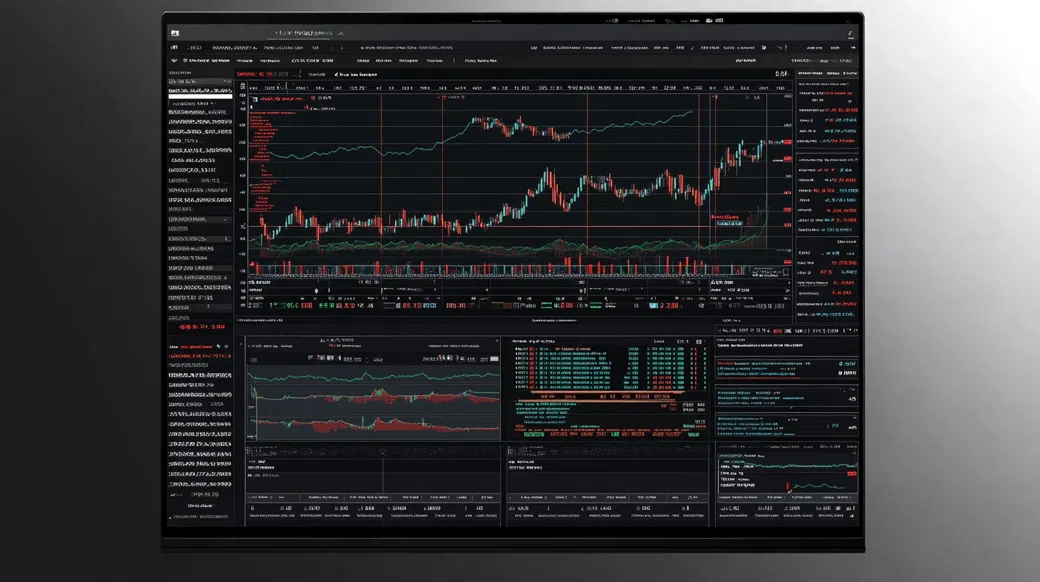
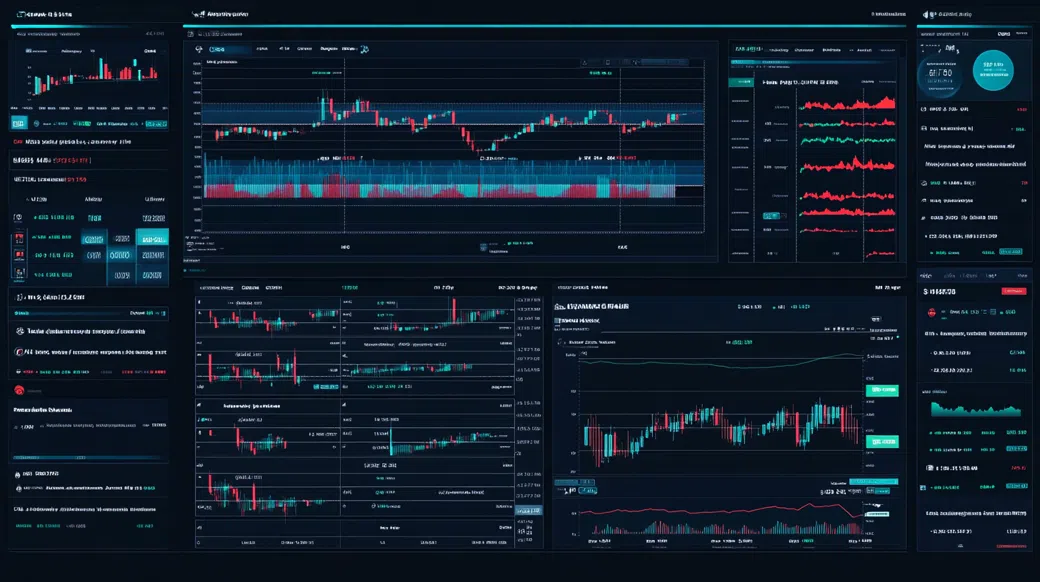
The platform stack is typically a proprietary WebTrader with basic-to-mid charting plus iOS/Android mobile apps. Expect the essentials: market/limit/stop orders, watchlists, and one-click trading, with indicators and drawing tools adequate for discretionary FX trading but thinner than pro-grade terminals. Execution “feel” on these platforms can be fine in calm markets, yet the stress test is volatility—fast moves are where requotes or slippage (positive or negative) become visible. Account dashboards usually cover margin, equity, open P&L, and funding actions; what’s often missing is institutional-level reporting granularity (routing, venue, detailed fills) that you’ll see at regulated competitors to Tavora Brunesia.
Trading Fees, Spreads, and Account Types at Tavora Brunesia
Cost structures in this category generally revolve around a spread-led Standard account and, sometimes, a tighter-spread account that adds commission. A realistic benchmark is EUR/USD around ~2.0 pips on a Standard-style tier, with higher implied costs during news and off-hours. If a “Raw/ECN” label exists, the pattern is often 0.0–0.4 pips plus roughly $5–$8 round-turn in commission—still requiring you to compute the true round-trip cost. Add swap/overnight financing for held positions, plus potential withdrawal or inactivity fees depending on account terms. These fee lines are exactly why platforms like Tavora Brunesia invite careful reading before you scale position size.
When Do Traders Start Looking for Tavora Brunesia Alternatives?
The switch signal I see most often isn’t a single bad trade—it’s a pattern of “small frictions” that becomes expensive over time. When your strategy depends on predictable execution and fast capital mobility, an offshore CFD setup can feel like trading with an extra layer of counterparty risk. That’s when Tavora Brunesia alternatives move from a casual search query to a serious risk-control decision. Leverage up to 1:500 can amplify results, but it also accelerates margin calls; if pricing or withdrawals feel opaque, the risk isn’t just market risk—it’s operational risk.
- You need MT4/MT5 or cTrader for automation (EAs, custom indicators, VPS setups), but the current proprietary WebTrader can’t replicate that workflow.
- Your cost audit shows EUR/USD around ~2.0 pips most of the day, and you want a Raw + commission model to reduce round-turn cost on high-frequency trading.
- You want regulator-backed dispute channels and clearer client-money rules (segregated client funds, negative balance protection where applicable).
- You’re trying to trade real shares/ETFs (ownership, corporate actions) rather than stock CFDs, and product scope becomes a hard limit.
How to Choose a Reliable Alternative to the Tavora Brunesia Trading Platform
Think of broker selection as matching your strategy to a constraint set: legal protections, execution quality, and the all-in cost per round turn. If you treat it like a data project, you’ll define requirements first (assets, leverage limits, platform stack), then verify claims on primary sources (regulator registers, disclosure docs), and only then fund. That process narrows alternatives to the Tavora Brunesia trading platform into a shortlist you can actually defend.
Regulation, Safety, and Investor Protection
Start with supervision. FCA, ASIC, CySEC, and NFA/CFTC oversight typically implies tighter rules around marketing, client categorization, and safeguarding. In the UK, the FSCS can provide coverage up to £85,000 for eligible clients under specific conditions; in Cyprus, the ICF can cover up to €20,000 for eligible claims. Also look for segregated client funds, and confirm the entity you’re onboarding with matches the license—group branding can blur this line.
Available Markets and Instruments
Write down what you actually need: FX and index CFDs for macro trading, or real stocks/ETFs for long-term exposure? Options and futures introduce a different risk toolkit (defined risk, exchange clearing), and not all brokers offer them. Crypto is its own fork: many regulated venues only offer crypto CFDs (price exposure), while others enable custody/ownership under separate frameworks. Regulated options vs Tavora Brunesia often comes down to whether you want exposure or ownership.
Trading Costs: Spreads, Commissions, and Other Fees
Ignore “from 0.0 pips” headlines and calculate the round-turn: spread + commission + expected slippage + swap for your holding period. A scalper doing 200 round turns/month will feel a 0.8 pip difference far more than someone holding swing trades for weeks. Watch for non-trading costs too: inactivity policies, withdrawal fees, and currency conversion charges. Cost comparisons are only fair when you normalize by the same trade size and session.
Platforms, Tools, and Execution Quality
Platform choice is really tooling choice. MT4/MT5 and cTrader support automation ecosystems, while proprietary terminals can be clean but closed. Ask how orders are handled: market maker internalization versus STP/ECN/DMA routing. In fast markets, execution model shows up as fill quality—slippage, partial fills, and latency sensitivity. I’d rather see consistent, well-documented execution than a glossy UI with ambiguous routing.
Support, Education, and Overall User Experience
Operational reliability is underrated until it breaks. Test support responsiveness across your time zone and language; measure it like you would a system SLA. Education matters if you’re learning margin mechanics, swap, and risk controls, but documentation matters even more—fee schedules, margin tables, and platform guides should be explicit. Mobile parity is also practical: if you manage risk from your phone, the app must handle orders, stops, and reporting without surprises.
Tavora Brunesia and Different Asset Classes: When Alternatives May Be Better
Tavora Brunesia Forex and CFD Trading
Forex and CFDs are the natural habitat here: think roughly 30–50 FX pairs, 8–15 indices, and a small set of commodities, with leverage that can reach 1:500. The trade-off is that pricing and execution are often mediated by the broker’s dealing setup; that can be acceptable for small size, but it becomes a measurable edge leak for systematic traders. If you want tighter all-in costs and more tooling, Pepperstone or IC Markets are common upgrades: both support MT4/MT5 and cTrader, and their Raw-style accounts are typically built around low spreads plus commission. That structure makes it easier to estimate your per-trade cost and separate spread from explicit fees—useful when you’re optimizing a strategy rather than guessing.
Tavora Brunesia Stock and ETF Trading
Stock/ETF access is where many offshore CFD platforms diverge from what investors assume they’re getting. Even when “shares” appear in the menu, it’s frequently stock CFDs—price exposure without shareholder rights, no direct participation in corporate actions the way an equity account provides, and different tax reporting depending on jurisdiction. For traders who want real ownership and broader market access, Interactive Brokers (IBKR) is hard to ignore: it’s built for listed stocks, ETFs, options, futures, and more, with routing choices that matter to execution quality. Saxo Bank is another strong fit for multi-asset portfolios, offering a more integrated experience for those who want FX alongside traditional markets without stitching together multiple accounts.
Tavora Brunesia Crypto Trading
Crypto is where the “data doesn’t lie” rule hits hardest. If a platform offers crypto via CFDs, you’re trading a derivative, not moving coins on-chain; there’s no wallet withdrawal to a self-custody address, and no direct interaction with blockchain settlement. That’s not automatically bad—it can be cleaner for risk limits and tax lots—but it’s different exposure. Many regulated brokers restrict crypto availability by region, and some only provide crypto CFDs to non-US clients. IG and Plus500, for example, are widely known for CFD access (including crypto CFDs where permitted), with clearer risk disclosures and retail protection frameworks than offshore venues. If your goal is on-chain ownership, that’s usually a separate decision involving dedicated crypto exchanges and custody—outside the CFD broker model entirely.
Best Tavora Brunesia Alternatives for 2026: Comparison of Top Trading Platforms
Interactive Brokers (IBKR): Key Facts and How It Compares to Tavora Brunesia
Regulation: SEC/FINRA (US), FCA (UK), IIROC (Canada) via relevant entities
Markets: Stocks, ETFs, options, futures, FX, bonds, funds (product access varies by region)
Fees: FX pricing typically spread/commission-based depending on route; equities use tiered/fixed commissions (varies by market)
Platform: Trader Workstation (TWS), web platform, mobile app, APIs
Best For: Data-driven multi-asset traders who want real market access
Pepperstone: Key Facts and How It Compares to Tavora Brunesia
Regulation: FCA, ASIC, CySEC, DFSA (entity-dependent)
Markets: FX and CFDs (indices, commodities, some shares as CFDs)
Fees: EUR/USD roughly ~0.0–0.3 pips + commission on Razor/Raw; ~1.0+ pip typical on Standard (varies by conditions)
Platform: MT4, MT5, cTrader, TradingView (availability varies), mobile apps
Best For: Scalpers and algorithmic traders optimizing spread + commission
IG: Key Facts and How It Compares to Tavora Brunesia
Regulation: FCA, ASIC, MAS (entity-dependent)
Markets: CFDs (FX, indices, commodities, shares as CFDs); other offerings depend on region
Fees: FX spreads often around ~0.6–1.2 pips on majors in normal conditions (product- and region-dependent)
Platform: Proprietary web platform, mobile app; MT4 available in some regions
Best For: Macro and index-CFD traders who value broad market coverage
IC Markets: Key Facts and How It Compares to Tavora Brunesia
Regulation: ASIC, CySEC, FSA Seychelles (group-level; entity matters)
Markets: FX and CFDs (indices, commodities, some crypto CFDs where permitted)
Fees: EUR/USD often ~0.0–0.2 pips + commission on Raw; Standard commonly ~0.8–1.2 pips (varies by liquidity)
Platform: MT4, MT5, cTrader, mobile apps
Best For: High-volume FX traders focused on low-latency execution
Saxo Bank: Key Facts and How It Compares to Tavora Brunesia
Regulation: FCA, MAS, DFSA (entity-dependent)
Markets: Stocks, ETFs, bonds, options, futures, FX, CFDs (availability varies by jurisdiction)
Fees: FX spreads typically start around ~0.6+ pips (tiered by account/volume); commissions apply on exchange-traded assets
Platform: SaxoTraderGO, SaxoTraderPRO, mobile app
Best For: Portfolio builders mixing FX with listed instruments
Plus500: Key Facts and How It Compares to Tavora Brunesia
Regulation: FCA, CySEC, ASIC, MAS (entity-dependent)
Markets: CFDs on FX, indices, commodities, shares (as CFDs), crypto CFDs where permitted
Fees: Spread-only pricing; major FX pairs often around ~0.6–1.5 pips in normal conditions (varies by instrument)
Platform: Proprietary web platform and mobile app
Best For: Simplicity-first CFD traders who avoid platform complexity
Comparison Summary
| Platform | Regulation | Main Markets | Typical Costs | Best For |
|---|---|---|---|---|
| Interactive Brokers (IBKR) | SEC/FINRA, FCA, IIROC (entity-specific) | Real stocks/ETFs, options, futures, FX, bonds | Commissions vary; FX often commission/spread-based by route | Data-driven multi-asset traders who want real market access |
| Pepperstone | FCA, ASIC, CySEC, DFSA (entity-specific) | FX + CFDs (indices/commodities; some shares as CFDs) | Raw: ~0.0–0.3 pips + commission; Standard: ~1.0+ pip typical | Scalpers and algorithmic traders optimizing spread + commission |
| IG | FCA, ASIC, MAS (entity-specific) | CFDs across FX/indices/commodities; shares as CFDs | Majors often ~0.6–1.2 pips in normal conditions (varies) | Macro and index-CFD traders who value broad market coverage |
| IC Markets | ASIC, CySEC, FSA Seychelles (entity-specific) | FX + CFDs (indices/commodities; crypto CFDs where allowed) | Raw: ~0.0–0.2 pips + commission; Standard: ~0.8–1.2 pips | High-volume FX traders focused on low-latency execution |
| Saxo Bank | FCA, MAS, DFSA (entity-specific) | Stocks/ETFs/options/futures + FX/CFDs | FX spreads ~0.6+ pips (tiered); exchange commissions apply | Portfolio builders mixing FX with listed instruments |
| Plus500 | FCA, CySEC, ASIC, MAS (entity-specific) | CFDs on FX/indices/commodities/shares; crypto CFDs where allowed | Spread-only; majors often ~0.6–1.5 pips (instrument-dependent) | Simplicity-first CFD traders who avoid platform complexity |
How to Safely Move from Tavora Brunesia to Another Broker
Migration is less about clicking “close account” and more about preventing avoidable failure modes: locked withdrawals, mismatched KYC names, orphaned tax records, and unplanned market exposure. Treat the move like a controlled rollout—verify first, fund small, then scale. If you’re exiting a high-leverage CFD book, remember that volatility can turn a routine transfer week into a forced-liquidation event.
- Confirm the new broker’s exact legal entity on the regulator’s public register (FCA Register, ASIC Connect, CySEC register, or NFA BASIC) before you upload documents.
- Open the new account and complete KYC/AML upfront (government ID + proof of address) so you’re not stuck waiting while funds are in transit.
- Flatten exposure on the old account by closing open CFD positions; don’t assume you can “transfer” positions between brokers—most of the time you must re-enter trades.
- Withdraw from Tavora Brunesia using the same rail you deposited with when possible; many payment processors enforce that flow for AML reasons.
- Export statements, trade history, and funding logs before access changes—your future self (and your accountant) will thank you.
Ready to Explore Tavora Brunesia?
If you’re still evaluating the platform, compare the current onboarding terms, instrument list, and fee schedule against the regulated substitutes above. Regional rules change what you can trade and what protections apply, so verify eligibility and entity details before committing capital.
Visit Tavora BrunesiaFAQ: Tavora Brunesia Alternatives and Trading Platforms
What is the best alternative to Tavora Brunesia in 2026?
The best pick depends on whether you need real listed markets or mainly FX/CFDs. For real stocks/ETFs and broader market access, Interactive Brokers (IBKR) or Saxo Bank are usually stronger fits; for FX/CFD cost and automation stacks, Pepperstone or IC Markets are commonly chosen. If you want a simpler CFD-only interface, Plus500 is often preferred over more complex terminals.
Is Tavora Brunesia a safe broker/platform?
Based on how this category of broker is typically structured, Tavora Brunesia appears to operate under an offshore framework rather than top-tier regulators like FCA, ASIC, CySEC, or NFA. That doesn’t automatically mean you can’t trade, but it usually means weaker investor-protection mechanisms and fewer formal dispute-resolution paths than regulated peers. If safety is your priority, compare regulated options vs Tavora Brunesia and verify the exact legal entity on the relevant regulator register.
Can I trade stocks, futures, or crypto with Tavora Brunesia?
Tavora Brunesia is primarily positioned around forex and CFDs; “stocks” are commonly offered as stock CFDs in this segment rather than real share ownership. Futures are typically not offered as exchange-traded futures on offshore CFD platforms, while crypto exposure—when present—is usually via crypto CFDs rather than on-chain ownership. If you need listed futures or real equities/ETFs, Tavora Brunesia alternatives like IBKR or Saxo are better aligned.
What should I check before switching from Tavora Brunesia to another platform?
Before switching, verify the new broker’s regulation on the official register and confirm which entity will hold your account (that determines protections like FSCS or ICF eligibility). Next, compare all-in trading costs (spread + commission + swap) and confirm platform fit (MT4/MT5/cTrader vs proprietary, plus execution model and slippage behavior). Finally, plan the cash movement: complete KYC first, close open CFD exposure, and save full statements for taxes and reconciliation.
About the Author: Alice Wu is a data scientist and market practitioner who evaluates brokers the way she evaluates networks: by observable behavior, not narratives. She focuses on transaction traces, execution quality, and operational risk—because the market can mislead, but the data keeps receipts.