Sterke Fondveer Trading Platform Alternatives 2026
Compare Sterke Fondveer alternatives for 2026: regulated brokers, fees, platforms (MT4/MT5/cTrader), safety checks, and migration steps for US/EU traders.
Sterke Fondveer Trading Platform Alternatives 2026: Reliable Options for Online Traders
Price moves are noisy; settlement trails are not. When I evaluate a trading venue, I look for the same thing I look for on-chain: clear accountability, auditable controls, and predictable rules when something breaks. That lens matters with offshore CFD providers, where the marketing can be loud and the legal perimeter can be quiet. Based on what’s typically observable for brokers in this category, Sterke Fondveer appears to operate as an offshore, CFD-first platform (commonly linked with Seychelles-style frameworks), offering forex and CFDs with a proprietary WebTrader and mobile app. Minimum deposits in this segment often land around $250, leverage can run as high as 1:500, and EUR/USD spreads are often closer to ~2.0 pips on a standard-style account than the “institutional” pricing implied in ads.
That package can be workable for small-size speculators who value simple onboarding. But if you’re scaling position size, automating entries, or simply trying to reduce operational risk, the gaps get expensive: execution ambiguity, thinner investor protections, and fewer ways to verify who ultimately holds client money. This guide to Sterke Fondveer alternatives focuses on regulated brokers with clearer disclosure, stronger supervision, and platform stacks that support serious workflows (MT4/MT5/cTrader, DMA where it matters). I’m writing for a global audience with a US/EU focus—because jurisdiction decides everything from leverage caps to complaint pathways.
Disclaimer: This article is for informational purposes only and does not constitute investment advice. CFDs and other leveraged products carry a high risk of loss and may not be suitable for all investors.
Key Takeaways (TL;DR)
- For FX/CFD traders, compare “round-turn” cost (spread + commission + expected slippage), not headline spreads or leverage alone.
- If you need real stocks/ETFs (not CFDs), prioritize multi-asset brokers such as Interactive Brokers or Saxo Bank with DMA-style access.
- Do KYC at the new broker first; withdrawals and AML checks can stall migrations if your identity or payment rails don’t match.
- US residents are frequently restricted by offshore CFD venues—use NFA/CFTC-regulated options (Forex.com, OANDA, or IBKR where appropriate).
What Is Sterke Fondveer and How Does Its Trading Platform Work?
Operationally, Sterke Fondveer sits in the “offshore CFD broker” bucket: forex and CFD exposure first, a curated list of indices/commodities, and a smaller menu of crypto CFDs. In this structure, you’re generally trading a contract with the broker (not accessing a central exchange), so the execution model often behaves like a market maker or hybrid setup rather than pure DMA. For traders comparing platforms like Sterke Fondveer, the practical question is less “can I click buy/sell?” and more “what’s the rulebook when volatility hits—requotes, slippage, margin calls, and withdrawals?” Those are the moments where regulation and disclosure stop being abstract and start being your P&L.
Sterke Fondveer Web Trading Platform: Core Features and Tools
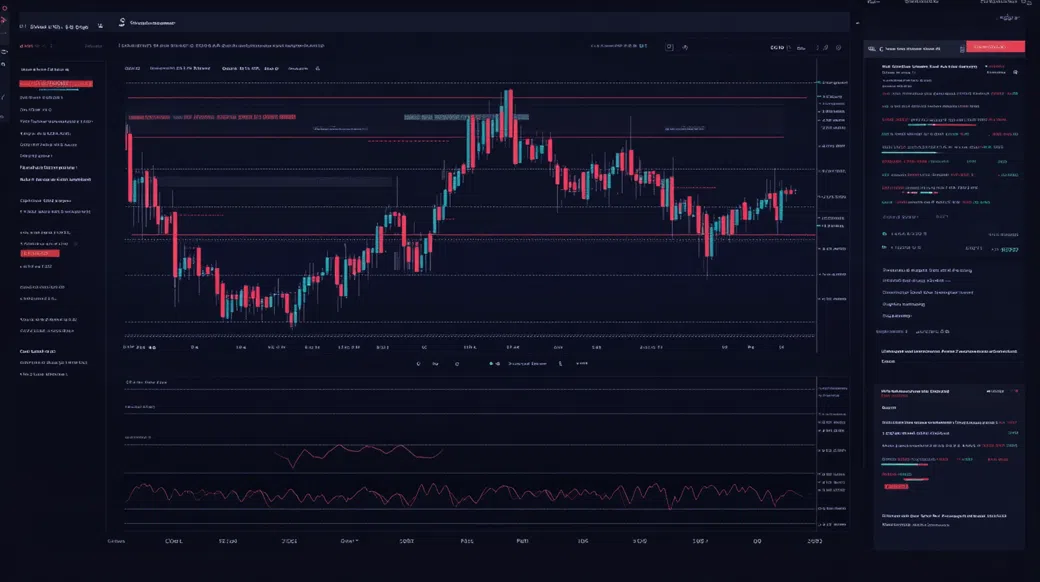
The platform stack in this segment is usually a proprietary WebTrader paired with iOS/Android apps. Expect competent basics—watchlists, one-click trading, and standard chart types—plus a moderate indicator set and drawing tools for routine technical work. Where many proprietary terminals lag is workflow depth: fewer advanced order types, weaker multi-chart layouts, and limited support for systematic trading (no native EAs like MT4/MT5, and APIs are often minimal or closed). Mobile parity is typically decent for monitoring and manual execution, while analytics, journaling, and granular execution reporting (timestamps, partial fills) can feel thin for traders who audit trades the way data people audit logs.
Trading Fees, Spreads, and Account Types at Sterke Fondveer
Costs tend to be spread-led. A common pattern is a standard account with EUR/USD around ~2.0 pips in normal liquidity, with higher effective costs during news due to widening and slippage. Some brokers in this lane also advertise “raw” pricing—often 0.0–0.4 pips plus roughly $6–$8 round-turn commission—but the real comparison is the all-in round-trip cost once you include execution quality and any minimum trade sizes. Add swap/overnight financing (material for multi-day holds), plus potential non-trading fees such as inactivity charges or withdrawal processing fees depending on method and region.
When Do Traders Start Looking for Sterke Fondveer Alternatives?
Data has a way of forcing decisions. When your fills drift from your intended entry, or your overnight financing doesn’t line up with your holding period math, you start searching for Sterke Fondveer alternatives that behave predictably under stress. The earliest signal I see is not “bad spreads”; it’s uncertainty—about which entity supervises the broker, how client funds are segregated, and what recourse exists if a withdrawal is delayed. Add high leverage (often marketed up to 1:500) and you get a fragile system: small price moves can trigger margin calls fast, especially if spreads widen during volatility.
- Your strategy needs MT4/MT5 or cTrader (EAs, custom indicators, VPS execution), but the current WebTrader can’t support it reliably.
- You want transparent execution reporting (slippage stats, order timestamps, partial fills) to diagnose why live results diverge from backtests.
- You’re moving from “small test size” to meaningful capital and want FCA/ASIC/CySEC/NFA oversight, plus segregated client funds.
- You need real stock/ETF ownership for long-term allocation, not stock CFDs that carry financing costs and no shareholder rights.
How to Choose a Reliable Alternative to the Sterke Fondveer Trading Platform
Think of broker selection as a risk-budget problem. You’re not just buying a trading interface—you’re choosing a legal framework, an execution pipeline, and a cash-management process. Good alternatives to the Sterke Fondveer trading platform make their constraints explicit: leverage limits by region, negative balance protection where mandated, and exactly which entity holds your account.
Regulation, Safety, and Investor Protection
Start with supervision you can verify: FCA (UK), ASIC (Australia), CySEC (EU), or NFA/CFTC (US for retail FX). In the UK, FSCS investor compensation can cover eligible claims up to £85,000; in Cyprus, ICF coverage can reach up to €20,000 for eligible clients. Look for segregated client funds language, and then confirm the broker’s legal entity on the regulator’s register—names and domains should match, not “close enough.”
Available Markets and Instruments
Match the product set to your intent. FX and indices CFDs can be fine for short-horizon trading; long-horizon portfolios usually need real stocks/ETFs and, sometimes, options or futures for defined-risk hedging. If your goal is multi-venue exposure (equities + futures + FX), a multi-asset broker beats a CFD-only shop. If you only need FX/CFDs, pick a specialist that publishes execution metrics and supports your platform workflow.
Trading Costs: Spreads, Commissions, and Other Fees
Costs hide in layers: spread (quoted), commission (explicit), swap/overnight (time-based), and “misc” fees (inactivity, withdrawals, currency conversion). Compare on round-turn cost for your typical trade size: for example, a scalper doing 200 round trips a month will feel a 1.0 pip difference far more than a swap change. Don’t ignore slippage—an extra 0.2–0.4 pips on average can erase a headline pricing advantage.
Platforms, Tools, and Execution Quality
Platform dictates what’s possible. MT4/MT5 ecosystems support EAs and a large indicator library; cTrader is popular for clean UI and execution features; proprietary platforms vary widely. Execution model matters: market maker setups can be fine for many retail flows, while STP/ECN/DMA routing is often preferred for higher-frequency strategies where latency and slippage dominate. If you’re benchmarking Sterke Fondveer against regulated options vs Sterke Fondveer, ask for execution disclosures and understand how orders are filled during fast markets.
Support, Education, and Overall User Experience
Support is a control surface, not a nicety. Check service hours in your timezone, escalation paths, and whether the broker offers clear margin-call policies and platform-status pages. Education should go beyond webinars—think contract specs, swap schedules, and risk tools (guaranteed stops where offered, negative balance protection where required). Finally, test mobile parity: if you manage risk on the go, missing order types on mobile is a real operational hazard.
Sterke Fondveer and Different Asset Classes: When Alternatives May Be Better
Sterke Fondveer Forex and CFD Trading
Forex and index CFDs are the natural habitat for brokers similar to Sterke Fondveer: dozens of FX pairs (often 30–50), a handful of commodities, and major indices (roughly 8–15). The key differentiator isn’t the menu—it’s the all-in trading conditions. With a typical EUR/USD spread around ~2.0 pips on a standard setup and leverage marketed up to 1:500, your risk is concentrated in execution and margin mechanics during volatility. FX/CFD specialists like Pepperstone and IC Markets are often chosen as Sterke Fondveer alternatives because they pair tight pricing on raw-style accounts (spread near zero plus commission) with mature platform support (MT4/MT5/cTrader) and clearer regulatory accountability (FCA/ASIC/CySEC at the group level, depending on entity). If your edge is small per trade, consistency beats promotional leverage every time.
Sterke Fondveer Stock and ETF Trading
Stock exposure through offshore CFD venues is frequently CFD-only, which changes the economics and the rights: you’re not owning the underlying shares, you can face financing costs, and corporate actions are handled contractually. Traders hunting for top substitutes for Sterke Fondveer often do so here—because the moment you want long-term holdings, tax lots, voting rights, or broad ETF access, “CFDs on equities” is a different product. Interactive Brokers (IBKR) is a standout for real stocks/ETFs plus options and futures, with strong US/EU regulatory coverage (SEC/FINRA in the US; FCA in the UK for relevant entities). Saxo Bank is another multi-asset path, offering broad listed-market access with robust risk tooling. For investors, the distinction is simple: CFDs are trading instruments; listed securities are ownership instruments.
Sterke Fondveer Crypto Trading
Crypto at offshore CFD brokers is usually synthetic exposure: crypto CFDs (often 10–30 coins) rather than on-chain ownership. That means no withdrawals to a self-custody wallet, no staking, and no ability to verify holdings on a blockchain explorer—your exposure is a contract and your counterparty is the broker. If your objective is short-term directional trading, regulated CFD providers like IG or Plus500 can be cleaner competitors to Sterke Fondveer in jurisdictions where crypto CFDs are permitted, because supervision and disclosure standards are clearer. If your objective is on-chain participation, a CFD platform is the wrong tool—use a regulated exchange or custody solution appropriate to your region and compliance needs. Either way, crypto volatility plus leverage is a high-octane mix; size positions as if gaps can happen.
Best Sterke Fondveer Alternatives for 2026: Comparison of Top Trading Platforms
Interactive Brokers (IBKR): Key Facts and How It Compares to Sterke Fondveer
Regulation: SEC/FINRA (US), FCA (UK), IIROC (Canada) through relevant entities
Markets: Stocks, ETFs, options, futures, bonds, FX (product access varies by region)
Fees: FX is typically commission-based with tight spreads; equities pricing varies by venue and plan
Platform: Trader Workstation (TWS), IBKR Desktop, mobile, APIs
Best For: Data-driven multi-asset traders who want real market access
Pepperstone: Key Facts and How It Compares to Sterke Fondveer
Regulation: FCA (UK), ASIC (Australia), CySEC (EU), DFSA (Dubai) via entity
Markets: FX and CFDs (indices, commodities; availability varies by jurisdiction)
Fees: Standard spreads often around ~1.0+ pip on EUR/USD; Raw-style pricing can be ~0.0–0.3 pips plus commission (varies by entity/account)
Platform: MT4, MT5, cTrader, TradingView integration (availability varies)
Best For: MT4/MT5/cTrader users running systematic or VPS-based FX strategies
IG: Key Facts and How It Compares to Sterke Fondveer
Regulation: FCA (UK), ASIC (Australia), MAS (Singapore)
Markets: CFDs (FX, indices, commodities, shares), spread betting (UK/IE where applicable)
Fees: Costs are typically spread-based on many CFD markets; share CFD pricing varies by product and region
Platform: IG web platform, mobile; MT4 offered in many regions
Best For: Broad-market CFD traders who value strong supervision and research
Saxo Bank: Key Facts and How It Compares to Sterke Fondveer
Regulation: FCA (UK), MAS (Singapore), DFSA (Dubai) via entity
Markets: Stocks, ETFs, bonds, options, futures, FX, CFDs (varies by region)
Fees: FX spreads are often competitive and tiered by account level; listed-market fees vary by exchange and pricing tier
Platform: SaxoTraderGO, SaxoTraderPRO
Best For: Portfolio-style traders needing professional-grade risk and reporting
IC Markets: Key Facts and How It Compares to Sterke Fondveer
Regulation: ASIC (Australia), CySEC (EU), FSA Seychelles (group-level entity)
Markets: FX and CFDs (indices, commodities; some crypto CFDs depending on entity)
Fees: Raw accounts often show ~0.0–0.3 pip EUR/USD plus commission; Standard accounts typically higher spread, commission-free
Platform: MT4, MT5, cTrader
Best For: Cost-sensitive scalpers focused on tight spreads and fast execution
Forex.com (StoneX): Key Facts and How It Compares to Sterke Fondveer
Regulation: CFTC/NFA (US), FCA (UK), ASIC (Australia)
Markets: FX (US); FX and CFDs in certain non-US regions (product set varies)
Fees: Typical pricing includes spread-based accounts; commission pricing may be available for active traders depending on region
Platform: Proprietary web platform, mobile; MT4 in many regions
Best For: US-eligible FX traders who need NFA/CFTC oversight
Comparison Summary
| Platform | Regulation | Main Markets | Typical Costs | Best For |
|---|---|---|---|---|
| Interactive Brokers (IBKR) | SEC/FINRA, FCA, IIROC (entity-dependent) | Real stocks/ETFs, options, futures, bonds, FX | FX commission + tight spreads; listed fees by venue/plan | Data-driven multi-asset traders who want real market access |
| Pepperstone | FCA, ASIC, CySEC, DFSA (entity-dependent) | FX + CFDs | Std ~1.0+ pip; Raw ~0.0–0.3 pip + commission | MT4/MT5/cTrader users running systematic or VPS-based FX strategies |
| IG | FCA, ASIC, MAS | CFDs across FX/indices/commodities/shares | Mostly spread-based; product-dependent pricing | Broad-market CFD traders who value strong supervision and research |
| Saxo Bank | FCA, MAS, DFSA (entity-dependent) | Real stocks/ETFs + options/futures/FX; CFDs in some regions | Tiered FX spreads; exchange fees vary | Portfolio-style traders needing professional-grade risk and reporting |
| IC Markets | ASIC, CySEC, FSA Seychelles (entity-dependent) | FX + CFDs | Raw ~0.0–0.3 pip + commission; Standard higher spread | Cost-sensitive scalpers focused on tight spreads and fast execution |
| Forex.com (StoneX) | CFTC/NFA, FCA, ASIC (entity-dependent) | FX (US); FX/CFDs in some regions | Spread-based; commission options for actives in some regions | US-eligible FX traders who need NFA/CFTC oversight |
How to Safely Move from Sterke Fondveer to Another Broker
Migrations fail for boring reasons: mismatched payment rails, incomplete KYC, and rushed withdrawals while positions are still open. Treat the switch as an operational rollout—small blast radius first—because leverage magnifies mistakes as efficiently as it magnifies returns. If you still have an account at Sterke Fondveer, document everything before you touch the withdrawal button.
- Confirm the new broker’s exact legal entity on the regulator’s public register (FCA Register, ASIC Connect, CySEC directory, or NFA BASIC), including the domain you’ll log into.
- Open the new account and complete KYC/AML checks (ID + proof of address) before reducing activity at the old broker; approval often clears within a business day, but not always.
- Export trade history, statements, and funding records from the old platform so you have timestamps and tax documentation even if access changes later.
- Flatten risk at the old broker: close open positions rather than assuming they can be “transferred” (most retail brokers do not support position porting).
- Request withdrawals using the same method used for deposits when possible; many brokers enforce this for AML reasons, and deviations can trigger manual review.
Ready to Explore Sterke Fondveer?
If you’re benchmarking brokers, it can still help to review the current onboarding flow, instrument list, and fee schedule directly—then compare those terms against the regulated options above with your region’s leverage rules in mind.
Visit Sterke FondveerFAQ: Sterke Fondveer Alternatives and Trading Platforms
What is the best alternative to Sterke Fondveer in 2026?
The best option depends on whether you need real multi-asset access or just FX/CFDs with better execution tooling. For real stocks/ETFs and advanced routing, Interactive Brokers (IBKR) is hard to beat; for FX/CFDs with MT4/MT5/cTrader, Pepperstone or IC Markets are common picks. Traders who want broad CFD coverage under strong supervision often shortlist IG, while Saxo Bank fits portfolio-oriented workflows.
Is Sterke Fondveer a safe broker/platform?
Safety depends on regulation, segregation of client funds, and enforceable dispute resolution—not just platform usability. Sterke Fondveer appears to operate under an offshore-style framework consistent with Seychelles-type licensing, which typically offers fewer protections than FCA/ASIC/CySEC/NFA regimes. If you’re considering it, verify the legal entity, withdrawal terms, and negative balance protection policy before funding.
Can I trade stocks, futures, or crypto with Sterke Fondveer?
With brokers in this category, stocks and ETFs are often offered as CFDs (if offered at all), and futures access is typically not the same as trading listed exchange futures. Crypto exposure is commonly via crypto CFDs, which is price exposure without on-chain ownership or wallet withdrawals. If you need listed stocks/ETFs/options/futures, Interactive Brokers or Saxo Bank are more direct fits; for crypto CFDs under stronger oversight in permitted regions, IG or Plus500-type venues are typically used.
What should I check before switching from Sterke Fondveer to another platform?
Before switching, confirm the new broker’s regulator and entity on the official register, then complete KYC so you’re not stuck mid-withdrawal. Download statements, close open leveraged positions, and plan withdrawals using the same funding method used at Sterke Fondveer to avoid AML delays. Finally, test execution with small size first—slippage and margin behavior are only obvious when markets move.
About the Author: Alice Wu is a data scientist and active market participant who evaluates trading risk the way she evaluates networks: by tracing flows, incentives, and failure modes. She focuses on verifiable signals—regulatory records, execution quality, and transaction trails—because the market’s narrative is optional, but the data is not.