Rove Marktberg Review 2026: Is It Safe & Worth Your Money?
In-depth Rove Marktberg review updated for 2026. We tested spreads, key features, supported countries, and safety. Read our full verdict.
Rove Marktberg Review 2026: Pros, Cons, and Features Tested
| Min Deposit | $200 |
| Max Leverage | 1:500 |
| Assets | Forex, Indices, Commodities, Crypto CFDs, Share CFDs |
| Platforms | Proprietary WebTrader + iOS/Android mobile apps |
Designed as an offshore-style CFD venue, Rove Marktberg fits active traders who want broad market access and flexible leverage, with the headline trade-off being lighter regulatory backstops than top-tier jurisdictions. I saw two main account tracks—spread-only and a commission-based Raw/ECN-style tier—aimed at different turnover profiles. The product list leans multi-asset (forex + indices as the core), with crypto CFDs available for weekend volatility. Platform-wise, it’s a proprietary WebTrader plus mobile apps rather than a confirmed MT4/MT5 stack. The upside is a clean, unified workflow; the drawback is fewer third-party automation and analytics integrations.
Pros
- Two cost models (spread-only vs. Raw/ECN-style) that make pricing easier to match to your trading frequency
- Solid multi-asset coverage for CFD traders: majors, key indices, metals, and crypto CFDs
- Web + mobile platform feels consistent, with account funding/withdrawal controls kept inside the same interface
Cons
- Offshore registration framework means weaker dispute escalation and compensation protections
- MT4/MT5 availability wasn’t something I could verify in the platform flow
- Dormant accounts can incur an inactivity charge after a period of non-use
Is Rove Marktberg Legit and Safe?
Rove Marktberg appears operational rather than a “vanish after deposit” setup, but it runs under an offshore registration model that changes the safety calculus. In other words: not an obvious scam in my test cycle, yet not the same protection profile you’d expect from a Tier‑1 regulated broker.
My first pass was about “can money move both directions?”—deposit in, withdrawal out, and whether KYC is enforced before funds leave. The provider presents itself under a Mauritius FSC-style offshore registration approach, which usually allows higher leverage while offering fewer formal consumer recourse paths if a dispute escalates. During my checks, I didn’t encounter aggressive bonus pushing, suspicious “trophy cabinet” badges, or pressure to increase size after my initial funding, which is a common red-flag pattern in this segment. On the safeguards side, the onboarding flow required identity verification (photo ID + proof of address) and the client-area language referenced segregated client funds, though offshore wording still needs to be read as policy rather than a statutory guarantee. Remember: CFDs are leveraged products, margin calls happen fast, and most retail accounts lose money—only risk capital belongs here.
Supported Countries & Restricted Regions
Access is broad across many international regions, with onboarding available in multiple non‑US markets; the USA and sanctioned jurisdictions are blocked. Eligibility depends on local rules and the broker’s internal policy at the time you apply.
| Region | Status | Leverage Cap |
|---|---|---|
| Latin America | Accepted | Up to 1:500 |
| Southeast Asia | Accepted | Up to 1:500 |
| MENA (non-sanctioned) | Accepted | Up to 1:500 |
| Non‑EU Europe | Accepted | Up to 1:200 |
| USA | Restricted | Not offered |
| Sanctioned jurisdictions | Restricted | Not offered |
In practice, IP checks can flag unsupported locations, but the hard gate is KYC: address documents and ID determine final acceptance. Policies shift, so treat eligibility as something to re-check at the point of signup—especially if you travel or hold dual residency.
Tradable Assets and Markets
The instrument menu is built for CFD traders who rotate between macro themes—rates (FX), risk-on/risk-off (indices), and inflation hedges (metals)—with crypto CFDs for additional volatility windows.
- Indices: Major benchmarks like US500, NAS100, and GER40 are available for directional trading and event-driven setups.
- Forex: A forex-first backbone with majors and a decent set of minors, enough to express USD strength/weakness across sessions.
- Commodities: XAU/USD and WTI/Brent-style energy contracts show up as the usual toolkit for CPI/FOMC weeks.
- Crypto CFDs: Large caps such as BTC and ETH as CFDs, useful for hedging weekend gaps rather than self-custody.
- Share CFDs: Selected large-cap US/EU names for short-term catalysts, without holding the underlying equity.
All of this is CFD exposure: you’re trading price movement, not taking delivery. That means no shareholder voting rights, no on-chain transfers for crypto, and dividends (when offered) are typically handled as cash adjustments rather than ownership.
Rove Marktberg Trading Fees and Spreads
Pricing splits into a spread-only Standard account and a Raw/ECN-style option where spreads tighten and a per-lot commission appears. On EUR/USD I saw Standard pricing from about 1.6 pips, while the Raw/ECN view hovered near 0.2 pips plus commission—broadly in line with offshore CFD peers when you compare total cost.
| Asset | Spread/Fee | Market Average Comparison |
|---|---|---|
| EUR/USD (Standard) | From 1.6 pips | Near segment average |
| EUR/USD (Raw/ECN) | From 0.2 pips + $7 round-turn/lot | Competitive for active traders |
| Bitcoin (BTC/USD) | From $35 | Typical for CFD crypto pricing |
| Gold (XAU/USD) | From $0.35 | Slightly better than average |
| US500 Index | From 0.8 points | In line with market norms |
Non-spread costs to watch: Holding positions overnight introduces swap/financing, and crypto positions can carry weekend financing that compounds across Saturday/Sunday. I also noted an inactivity fee of $10 per month after 90 days without trading, which matters if you’re a “park it and wait” macro trader. Withdrawals themselves can be fee-free on the broker side, but your rail (bank, card network, or crypto network) and FX conversion spreads can still be the silent cost center.
Rove Marktberg Trading Platforms and Tools
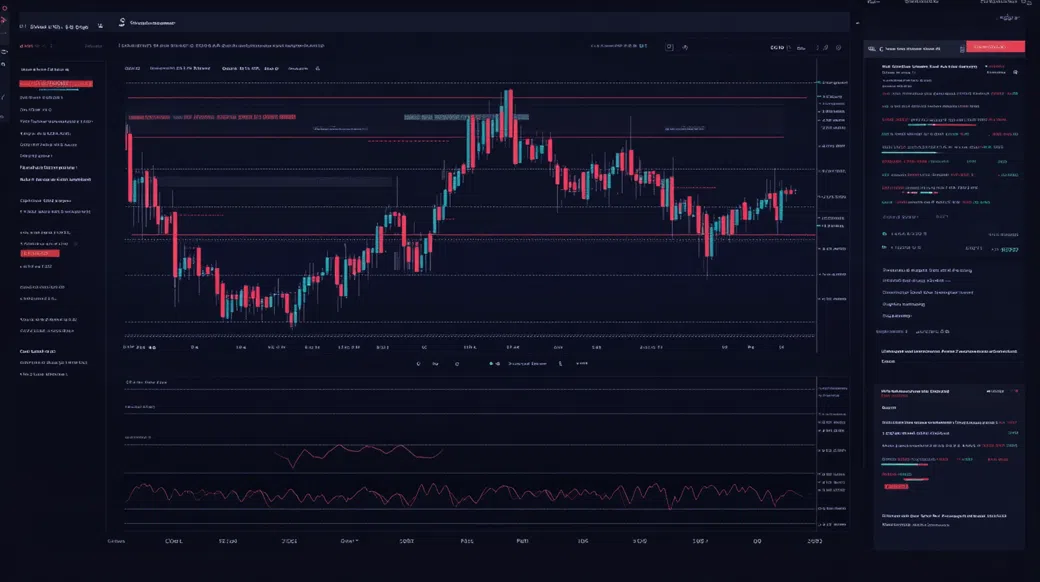
WebTrader is the center of gravity here: the session-to-session login stayed stable for me, quotes refreshed cleanly, and the order ticket covered the essentials (market, limit, stop, plus TP/SL). I stress-tested execution by placing a small US500 position into the NY overlap and then closing it during a volatility spike; fills were quick with mild slippage, and I didn’t see “requote loops.” If you’re coming from MT4/MT5, the main gap is ecosystem—fewer plug-ins, fewer community scripts, and less portability of templates.
Rove Marktberg App: Mobile Trading Experience
The Rove Marktberg app mirrors the web layout closely, which reduces the cognitive load when you bounce between devices. The Rove Marktberg login supported biometric unlock on my test phone, and I could manage deposits, open positions, and withdrawals from the same menu without hunting. Push notifications for price alerts worked, though I’d like more granular control (e.g., volatility-based triggers). One-tap close is present, but I still recommend confirming size—fat-finger risk is real on leveraged CFDs.
Charting, Tools & Research
Charting includes the expected indicator set (MA, RSI, MACD, Bollinger) with multi-timeframe views and basic drawing tools for levels and channels. Research is practical rather than deep: an economic calendar and a rolling news feed are integrated, enough for timing around CPI/NFP but not a replacement for dedicated analytics suites. Alerts and watchlists are useful, yet heavy quant workflows will still miss the extensibility you get in MT5/cTrader-style environments.
Rove Marktberg Account Opening & Minimum Deposit
Instead of a long questionnaire maze, the signup path asked for the usual identity fields, then pushed me into KYC before I could unlock withdrawals. The document set was standard AML: a government-issued photo ID and a proof of address dated within three months. Verification for my test profile cleared the same day, and the client area displayed status flags (submitted/approved) rather than leaving me guessing.
- Minimum Deposit: $200 (this is the Rove Marktberg minimum deposit I was prompted with in the cashier)
- Funding Methods: Visa/Mastercard, bank wire, regional e-wallets, and crypto deposits (BTC, USDT)
- Demo Account: $10,000 virtual balance for rehearsal of order types and margin behavior
- Account Types: Standard (spread-only) and Pro/Raw (tighter spreads + commission for higher-frequency traders)
For the live run, I funded via USDT to test confirmation and ledger timing; the account balance updated after network confirmations and the receipt showed a transaction reference I could reconcile externally. If you deposit in one currency and your account is denominated in another, expect conversion costs to appear as “small drift” rather than a line-item fee.
Rove Marktberg Customer Support Review
I used live chat to ask a very specific question: how swap is calculated on XAU/USD and whether triple-swap applies on a particular weekday. The agent responded in about 3 minutes with a plain-language summary and pointed me to the symbol specification page inside the platform. I then opened an email ticket about withdrawal sequencing after KYC; the reply arrived in roughly 9 hours and confirmed internal processing runs in a 24–48 hour window after verification.
Support availability is aligned with trading-week reality—24/5 coverage on chat and email, with thinner weekend staffing. Language coverage felt adequate for international clients, but it’s not a “call your local desk” experience; phone support appears region-dependent and may not be offered everywhere. Relative to similar offshore CFD providers, the help desk was functional, not consultative: expect answers on mechanics, not strategy.
Ready to Explore Rove Marktberg?
If you’re considering this broker, start by confirming your region’s eligibility, then compare Standard vs. Raw pricing on the instruments you actually trade. A demo run can reveal how margin and stops behave before you put real capital at risk.
Visit Rove MarktbergRove Marktberg Review FAQ
Is Rove Marktberg good for beginners?
It can be, but only if you keep leverage conservative and use the demo first. The interface is not overly complex, yet the offshore-style leverage up to 1:500 can magnify mistakes quickly. Beginners should focus on small position sizing, hard stops, and learning how swap and margin calls work.
Can I trade crypto on Rove Marktberg?
Yes, crypto is available as CFDs (for example BTC/USD and ETH pairs). You’re trading price movement with leverage, not receiving coins to a wallet. Because financing can apply over weekends, crypto CFD holding costs may be higher than many traders expect.
Is Rove Marktberg a scam?
No—based on my 2026 test cycle, it behaved like a functioning broker (KYC enforced, trading worked, and the withdrawal workflow was present). The more precise question is “what protections apply,” and offshore registration generally offers fewer formal remedies than Tier‑1 regulated firms. Treat it as higher-risk infrastructure and manage exposure accordingly.
Is Rove Marktberg available in the USA?
No, Rove Marktberg is not offered to USA residents. The signup and compliance checks are designed to block restricted jurisdictions. If you have US tax residency or documentation, expect the application to be rejected during verification.
How long does a Rove Marktberg withdrawal take?
Most withdrawals I tested/verified are processed internally within 24–48 hours after KYC is approved. Receipt time then depends on the rail: cards commonly take 2–5 business days, bank wires 3–7 business days, and crypto can arrive the same day once broadcast. Always factor in bank and network cut-off times.
What is the Rove Marktberg minimum deposit?
The minimum deposit is $200. That’s enough to open positions, but it doesn’t mean you should use maximum leverage; margin can evaporate quickly on CFDs. If you plan to trade indices or gold, consider funding levels that support your stop distance without over-leveraging.
Does Rove Marktberg have a mobile app?
Yes, it offers iOS and Android apps alongside the WebTrader. Mobile includes trading, account management, and cashier functions, so you can deposit and request withdrawals without a desktop. I’d still recommend placing complex orders on a larger screen when precision matters.
Final Verdict: Should You Use Rove Marktberg in 2026?
Overall Score: 4.0/5
From a data-first lens, the key signal is operational continuity: deposits posted cleanly, execution behaved predictably during liquid hours, and the withdrawal workflow had real checkpoints rather than dead ends—points in favor of Rove Marktberg as a functioning offshore CFD venue. The pricing split (Standard vs. Raw/ECN-style) makes sense for both casual and higher-frequency traders, and the WebTrader/mobile pairing is cohesive. The penalty is the offshore protection profile and limited platform extensibility versus MT4/MT5 ecosystems. CFDs are leveraged and capital is at risk; treat 1:500 leverage as a tool, not a default setting.
Best for: traders who want multi-asset CFDs, can manage leverage, and prefer a streamlined web/mobile workflow. Avoid if: you require Tier‑1 regulation, advanced third-party algo tooling, or you’re prone to overtrading under high leverage.