Reef Patristead Review 2026: Is It Safe & Worth Your Money?
In-depth Reef Patristead review updated for 2026. We tested spreads, key features, supported countries, and safety. Read our full verdict.
Reef Patristead Review 2026: Pros, Cons, and Features Tested
| Min Deposit | $200 |
| Max Leverage | 1:500 |
| Assets | Forex CFDs, Index CFDs, Commodity CFDs, Crypto CFDs, Share CFDs |
| Platforms | Proprietary WebTrader, iOS app, Android app |
Built as a multi-asset CFD venue, Reef Patristead fits traders who want flexible leverage and a broad instrument list, but can live with an offshore framework and fewer formal protections than top-tier regulated brokers. I ran it like a data audit: account creation, KYC, a small live deposit, and several test orders across FX and indices, then a withdrawal request to see how the rails behave. Standard and Raw/ECN-style pricing are both present, with the tighter tier aiming at frequent traders. The stack is a WebTrader plus mobile apps, with charts and watchlists that cover the essentials. The main compromise is governance—disputes and compensation schemes are thinner offshore, so risk control matters more than marketing claims. For the platform entry point, see Reef Patristead.
Pros
- Two pricing tracks (spread-only vs. raw + commission) let you tune costs to your turnover
- Web + mobile workflow keeps deposits, positions, and withdrawals in one place
- Decent cross-asset menu for a single margin account (FX, indices, metals, crypto CFDs)
Cons
- Offshore registration means weaker escalation paths if something goes wrong
- Education and research are serviceable, not deep
- Account dormancy can add a monthly inactivity charge
Is Reef Patristead Legit and Safe?
Reef Patristead operated as a functioning broker in my 2026 hands-on checks—trading, KYC, and withdrawal flows behaved like a real service rather than a “disappearing deposit” scheme. That said, it sits under an offshore registration model, which changes the safety profile versus Tier-1 licensed firms.
My first trust test was the boring one: identity controls. Before withdrawals were enabled, the provider prompted for a government photo ID and proof of address; uploads were accepted, and verification cleared within one business day. The legal footer and account paperwork pointed to a Seychelles FSA registration, which typically enables higher leverage (here up to 1:500) but usually comes with lighter investor-compensation structures and fewer formal dispute venues. I also scanned for the usual red flags—pushy “account manager” upsells, suspicious trophy-badge claims, or withdrawal friction—and didn’t see aggressive sales scripts during my session. The broker’s site language referenced segregated client funds, which is a positive signal, but offshore wording is not the same as a strong regulator enforcing it. Remember: CFDs are leveraged products; margin calls happen fast, and most retail traders lose money—only trade what you can afford to lose.
Supported Countries & Restricted Regions
This broker generally accepts clients across parts of Latin America, MENA, Southeast Asia, and selected non-EU European jurisdictions, while excluding the USA and sanctioned locations. Eligibility is ultimately tied to your residency and KYC outcome.
| Region | Status | Leverage Cap |
|---|---|---|
| Latin America (selected countries) | Accepted | Up to 1:500 |
| MENA (selected countries) | Accepted | Up to 1:500 |
| Southeast Asia (selected countries) | Accepted | Up to 1:500 |
| Europe (non-EU/EEA, selected) | Accepted | Up to 1:500 |
| USA | Restricted | Not offered |
| Sanctioned jurisdictions | Restricted | Not offered |
In practice, access is enforced by a mix of signup declarations, IP checks, and document verification; I was asked to confirm residency during onboarding. Policies can shift with compliance updates, so re-check availability before funding.
Tradable Assets and Markets
The lineup reads “FX-and-index first,” with commodities and crypto CFDs used as volatility add-ons rather than a full crypto exchange catalog. If you trade macro events, the instruments available cover the common hedges.
- Index CFDs: Core benchmarks like US500, NAS100, US30, plus major Europe/UK contracts for session-to-session rotation.
- Forex CFDs: A broad set of majors and minors with a smaller slice of exotics; enough breadth for carry, mean reversion, and news trading.
- Commodity CFDs: Metals like XAU/USD and XAG/USD alongside energy contracts such as WTI/Brent for inflation and risk-off plays.
- Crypto CFDs: BTC and ETH pairs plus a handful of large-cap names; useful for tactical exposure without managing wallets.
- Share CFDs: A curated list of liquid US/EU blue chips designed for short-term directional trades rather than portfolio building.
These are CFDs, so you’re trading price exposure, not taking delivery. That means no shareholder voting rights, and crypto positions aren’t on-chain transfers—just derivative contracts with financing costs and margin rules.
Reef Patristead Trading Fees and Spreads
Costs are split by account tier: a Standard account that bakes fees into the spread, and a Raw/ECN-style option that trims the spread and adds a per-lot commission. On my pricing checks, the total cost-of-trade looked in line with the offshore CFD segment—competitive on the raw tier, more average on Standard.
| Asset | Spread/Fee | Market Average Comparison |
|---|---|---|
| EUR/USD (Standard) | From 1.6 pips | Near typical for spread-only offshore accounts |
| EUR/USD (Raw/ECN) | From 0.2 pips + $7/round-turn per lot | Competitive if you trade size/frequency |
| Bitcoin (BTC/USD) | From $35 spread | Comparable to CFD peers; varies with volatility |
| Gold (XAU/USD) | From $0.30 | Roughly mid-pack for retail CFD execution |
| US500 Index | From 0.8 points | Within the normal range for this category |
Non-spread costs that matter: Overnight swap/financing is the quiet drag on multi-day positions, and it compounds quickly on high leverage—especially around Wednesdays and weekends. Crypto CFD financing can also apply over weekends, which makes “hold and hope” expensive in choppy markets. After 90 days of inactivity, I saw a $10/month dormancy fee in the account terms, which is small until it isn’t. Also factor conversion costs if you deposit in a currency different from your account base—those few basis points show up in your realized P&L more reliably than most “signals.”
Reef Patristead Trading Platforms and Tools
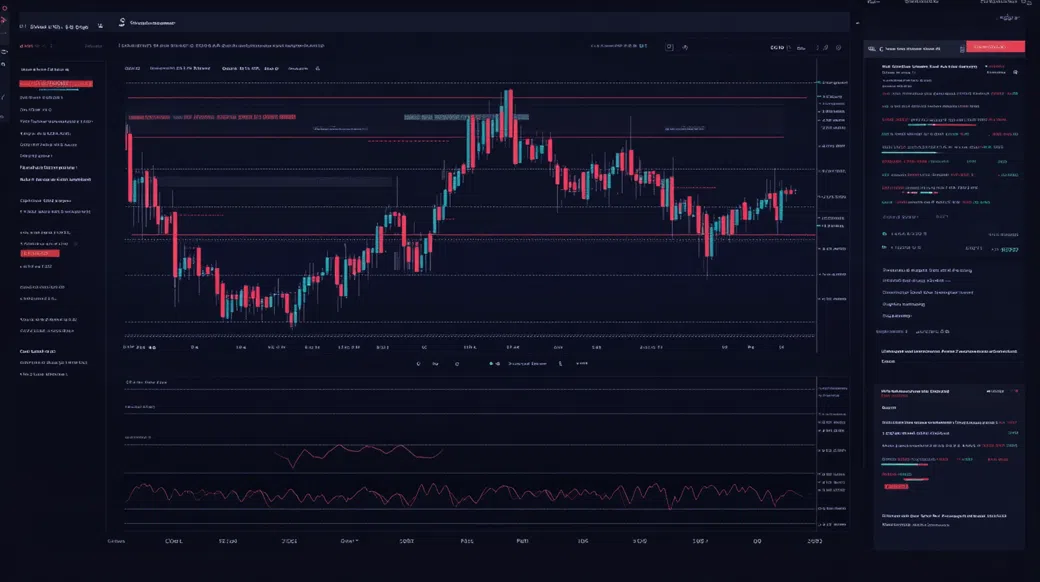
On desktop, the WebTrader held a stable session during a London-to-New York overlap test, with clean instrument search, one-click trading (toggleable), and the expected market/limit/stop orders. Execution felt consistent on liquid symbols; I intentionally hit the buy/sell buttons around a scheduled data release and saw small slippage rather than repeated requote loops. The trade blotter and margin panel are prominent—good, because leverage is where accounts quietly fail. MT4/MT5 weren’t presented as confirmed options in my dashboard, so assume the ecosystem is WebTrader-native unless the broker offers them to your region.
Reef Patristead App: Mobile Trading Experience
The Reef Patristead app mirrored the web layout: watchlists, chart view, and position controls are two taps away, and you can fund or request payouts from the same menu. Reef Patristead login supported biometric unlock on my device, which helps if you’re managing stops on the move. Quotes updated smoothly, and one-tap close worked without burying the confirmation prompt—useful when spreads widen. A minor quirk: advanced chart settings take a moment to load on older phones, so I kept templates simple.
Charting, Tools & Research
Charting covers the core indicators (MA, RSI, MACD, Bollinger) plus basic drawing tools; it’s enough to validate a setup, not to run a research desk. I used the economic calendar and integrated news feed to time a test order window, and price alerts worked reliably. Where it tops out is strategy tooling—no deep plugin marketplace like MT5, and fewer automation hooks than dedicated platforms. For discretionary CFD trading, though, the toolkit is functional.
Reef Patristead Account Opening & Minimum Deposit
Instead of a long questionnaire, the signup flow asked for the essentials (email, phone, residency), then pushed me toward identity verification before unlocking withdrawals. KYC required a government-issued photo ID plus a recent proof of address dated within three months; my submission was approved the same day. That timing matters because it reduces the “surprise KYC” problem when you’re trying to get funds out under pressure.
- Minimum Deposit: $200 (this is the Reef Patristead minimum deposit I saw at funding)
- Funding Methods: Visa/Mastercard, bank wire, regional e-wallets, and crypto deposits (BTC, USDT)
- Demo Account: $10,000 virtual balance for practicing order flow and margin behavior
- Account Types: Standard (spread-only) and Raw/ECN-style (tighter spreads + $7/round-turn commission)
My live funding test used USDT; the confirmation screen showed the credited amount and updated free margin immediately after network confirmation. If you prefer fiat rails, check your account base currency before depositing—conversion at the cashier is easy to miss and hard to “trade back.” For the onboarding screens and funding menu I used, you can start at Reef Patristead.
Reef Patristead Customer Support Review
I tested support with a practical question: “Where exactly do you display swap rates per symbol, and are they identical across Standard vs. Raw?” Live chat replied in about 3 minutes with the navigation path inside the platform plus a note that financing can differ by account type and instrument. I followed up by email asking whether crypto CFD weekend financing is applied Friday-to-Monday; the ticket came back roughly 9 hours later with a clear explanation and a reminder to check the contract specs panel.
Coverage is what you’d expect for a retail CFD broker: 24/5 live chat and email, with responsiveness tightening during active market hours. Language options depend on region, and I didn’t see a universally staffed phone desk—so treat phone as “may exist” rather than guaranteed. Weekends are quieter, which matters if you’re holding crypto CFDs into Saturday volatility.
Ready to Explore Reef Patristead?
If you’re considering this broker, open a demo first and compare Standard vs. Raw pricing on the symbols you actually trade. Then verify your country eligibility and read the contract specs for swaps and margin. That small checklist is worth more than any banner promotion.
Visit Reef PatristeadReef Patristead Review FAQ
Is Reef Patristead good for beginners?
Yes, but only if you respect leverage and start on demo. The WebTrader is easy to navigate, and the $10,000 demo helps you learn margin, stops, and position sizing without real losses. Beginners should avoid pushing anywhere near the 1:500 cap until they’ve proven consistency.
Can I trade crypto on Reef Patristead?
Yes, the platform offers crypto CFDs such as BTC/USD and ETH pairs. You’re trading a derivative, not transferring coins to a wallet, so financing costs and weekend conditions can apply. For many traders, that’s fine for short-term exposure and hedging.
Is Reef Patristead a scam?
No—based on my 2026 test, it behaved like an operational CFD broker (KYC worked, trades executed, and withdrawals could be requested). The bigger nuance is jurisdiction: it’s offshore-registered (Seychelles FSA), which generally means fewer formal protections than Tier-1 regulation. Treat risk management and position sizing as non-negotiable.
Is Reef Patristead available in the USA?
No, Reef Patristead is not offered to US residents. The signup flow and compliance checks are designed to block restricted jurisdictions. If you’re traveling, your final eligibility still depends on residency and KYC documents.
How long does a Reef Patristead withdrawal take?
Most withdrawals are processed internally within 24–48 hours after KYC is approved. After that, delivery depends on the rail: cards typically land in 2–5 business days, bank wires in 3–7 business days, and crypto often arrives the same day once sent. Timing can stretch during compliance reviews or bank holidays.
What is the Reef Patristead minimum deposit?
The minimum deposit is $200. That level is enough to test execution and fees, but it’s not a cushion for high-leverage drawdowns. If you’re new, use the demo first and keep live sizing small.
Does Reef Patristead have a mobile app?
Yes, there are iOS and Android apps alongside the WebTrader. You can monitor positions, place orders, and manage deposits/withdrawals from mobile. Biometric unlock is available on supported devices, which helps secure quick access.
Final Verdict: Should You Use Reef Patristead in 2026?
Overall Score: 4.0/5
Numbers tell the story: the raw tier’s 0.2-pip EUR/USD plus $7/round-turn structure is credible for active traders, while the Standard spread tier feels more “set-and-forget.” My end-to-end check—from KYC to a USDT-funded test account, a few index and FX orders through a volatile window, and a withdrawal request—looked operational, not theatrical. The ceiling is the offshore setup: escalation and protections aren’t the same as Tier-1 venues, so you must price that into your risk budget. If you want a compact WebTrader stack and can self-manage leverage, Reef Patristead is worth a controlled trial. CFDs are high-risk; capital is at risk.
Best for: self-directed CFD traders who track costs, swaps, and margin and want a web-first platform. Avoid if: you require Tier-1 regulation, formal compensation schemes, or you tend to overuse high leverage.