Puls Rendwal Trading Platform Alternatives 2026
Compare Puls Rendwal alternatives for 2026: regulated brokers, costs, platforms, and safety checks. US/EU-focused guide for risk-aware traders.
Puls Rendwal Trading Platform Alternatives 2026: Reliable Options for Online Traders
Price candles can be theatrical. The quieter story is the one told by cash rails: how quickly funds move, where they get stuck, and which entities sit in the middle. That’s usually where traders start re-thinking a broker relationship—especially in CFD-heavy setups where leverage magnifies every operational hiccup.
From what is typically observable with offshore CFD providers, Puls Rendwal appears positioned as a forex/CFD-first venue with a proprietary WebTrader and a companion mobile app. Expect the usual menu: major/minor FX pairs, a handful of indices and commodities, and crypto CFDs rather than on-chain coin withdrawals. The commercial pitch is often simple—higher leverage (commonly up to 1:500), straightforward onboarding, and “all-in-one” access without needing MT4/MT5 plugins or external analytics.
But traders don’t live on marketing pages; they live in fills, funding timelines, and rulebooks. If the broker operates under an offshore framework (this category often cites the Seychelles FSA), the safety model is fundamentally different from FCA/ASIC/CySEC/NFA environments—segregation standards, dispute channels, and compensation schemes aren’t equivalent. That’s why this guide maps Puls Rendwal alternatives for 2026: regulated options with clearer oversight, stronger market access, and platform stacks that fit real strategies, from discretionary trading to systematic execution.
Disclaimer: This article is for informational purposes only and does not constitute investment advice. CFDs and other leveraged products involve a high risk of loss and are not suitable for all investors.
Key Takeaways (TL;DR)
- Offshore leverage (often up to 1:500) can look attractive, but the bigger variable is legal protection; FCA/ASIC/CySEC/NFA oversight changes the risk profile.
- Compare trading costs using round-turn economics (spread + commission + swap), not just a “from 0.0 pips” headline.
- Stock/ETF access is a common gap: several regulated substitutes offer real equities/ETFs (not only CFDs), which changes taxes, rights, and execution quality.
What Is Puls Rendwal and How Does Its Trading Platform Work?
Operationally, Puls Rendwal fits the offshore CFD broker template: a platform geared toward retail traders who want fast access to forex and CFDs without a multi-venue brokerage account. The instrument set in this segment usually centers on ~30–50 FX pairs, 8–15 indices, 5–10 commodities, and ~10–30 crypto CFD symbols. The account entry point is often modest (commonly around a $250 minimum), while leverage is marketed aggressively (frequently up to 1:500). That combination is powerful—and brittle—because margin calls and forced liquidations arrive quickly when volatility spikes. For traders comparing platforms like Puls Rendwal, the key question isn’t only “Can I place a trade?” but “What rules govern my funds and my dispute options?”
Puls Rendwal Web Trading Platform: Core Features and Tools
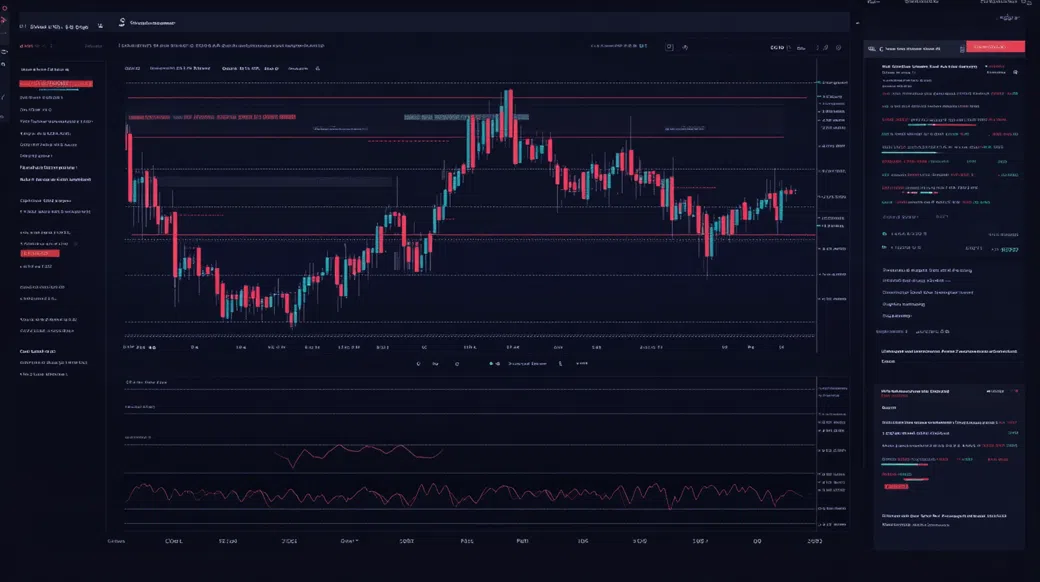
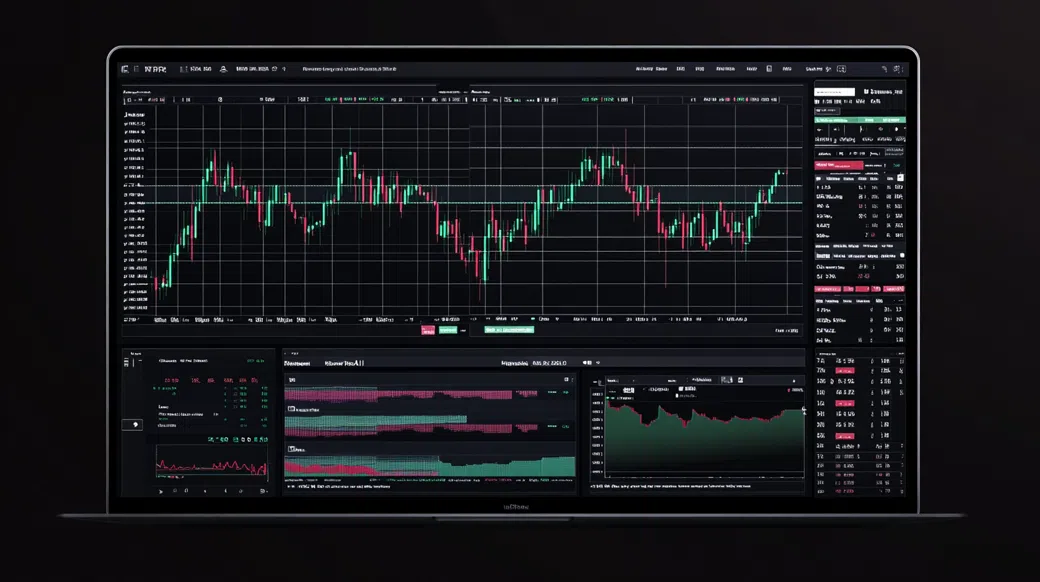
The proprietary WebTrader experience in this category tends to be functional rather than institutional: responsive charting, basic watchlists, and one-click order placement are typical. You’ll usually get common indicators and drawing tools, plus the essentials—market/limit/stop orders and an account dashboard for margin, equity, and open P&L. Mobile apps often mirror the web layout, which is convenient for monitoring but can feel cramped for multi-timeframe work or deep order management. Execution “feel” is hard to judge without tick-level data, yet traders should assume the usual retail realities: slippage during fast markets, wider spreads around news, and platform latency that’s acceptable for swing trading but not optimized for ultra-short-term scalping.
Trading Fees, Spreads, and Account Types at Puls Rendwal
Cost disclosure among offshore CFD venues varies, so the safest way to think about fees is by the pattern commonly observed: a Standard-style account with EUR/USD spreads around ~2.0 pips, and sometimes a “Raw/ECN-like” tier advertising tighter spreads (often ~0.0–0.4 pips) paired with a commission in the ballpark of $5–$8 per round turn. Add swap/overnight financing for positions held past rollover, which can dominate your P&L on longer holds. Withdrawal and inactivity fees may exist depending on funding method and account status—details that matter more than they sound when your strategy relies on frequent cash movements.
When Do Traders Start Looking for Puls Rendwal Alternatives?
Switching brokers rarely starts with a single bad trade; it usually starts with a mismatch between your workflow and the broker’s constraints. For many traders, the first red flag is governance: offshore rulebooks can leave you with fewer levers when something goes wrong. Others feel it in the numbers—spreads that widen at the worst moments, swaps that quietly bleed carry trades, or execution that behaves differently from what backtests assume. Those are the moments when Puls Rendwal alternatives stop being an abstract comparison and become a practical to-do list.
- You need FCA/ASIC/CySEC/NFA-style oversight (plus segregated client funds) because your account size is now “meaningful,” not experimental.
- Your strategy depends on MT4/MT5 or cTrader tooling (EAs, custom indicators, depth-of-market), and the proprietary WebTrader can’t replicate that stack.
- You’re paying for trading twice—once in wider spreads (e.g., ~2.0 pips on EUR/USD) and again via swap/overnight charges that don’t fit your holding period.
- You want real stocks/ETFs with direct market access rather than stock CFDs that carry financing costs and no shareholder rights.
How to Choose a Reliable Alternative to the Puls Rendwal Trading Platform
I treat broker selection like a data problem: define failure modes first (custody, pricing, execution, access), then pick the platform that minimizes them for your strategy. A broker can be “cheap” and still expensive if slippage and re-quotes show up exactly when volatility and position size peak. For alternatives to the Puls Rendwal trading platform, prioritize verifiable oversight, transparent costs, and a platform stack you can audit—log files, reports, and consistent execution behavior.
Regulation, Safety, and Investor Protection
Start with the regulator’s public register: FCA (UK), ASIC (Australia), CySEC (EU), and NFA/CFTC (US) are common reference points. In the UK, FCA-regulated firms can fall under the FSCS (coverage up to £85,000 in eligible cases); in Cyprus, the ICF can cover up to €20,000 depending on eligibility and entity. Also check whether the broker states segregated client funds and offers negative balance protection where required. The gap between “offshore supervised” and “tier-1 regulated” isn’t branding—it’s the rulebook you can actually enforce.
Available Markets and Instruments
Match markets to intent. If you only need FX and index CFDs, an FX/CFD specialist can be efficient. If you need equities/ETFs, options, or futures, you’re in a different universe: account structure, reporting, and execution venues matter. For traders who hedge crypto exposure, distinguish between crypto CFDs (price exposure) and owning crypto (wallet transfers, on-chain settlement). Many brokers similar to Puls Rendwal emphasize CFDs; multi-asset brokers expand the toolkit—at the cost of steeper onboarding and more complex interfaces.
Trading Costs: Spreads, Commissions, and Other Fees
Think in “round-turn” terms: spread + commission + expected slippage, then add swap/overnight if you hold beyond a session. A Raw account at ~0.1–0.4 pips plus ~$6 round-turn can be cheaper than a 1.0–1.2 pip all-in spread if you trade volume. Inactivity, deposit/withdrawal costs, and currency conversion fees can matter more than traders admit—especially if you rebalance capital across venues. The cheapest quote on a landing page isn’t the same thing as the cheapest month in your account statement.
Platforms, Tools, and Execution Quality
Platform choice is strategy choice. MT4/MT5 dominate automation and indicator ecosystems; cTrader is strong for depth-of-market and execution transparency; proprietary platforms can be clean but closed. Ask about the execution model—market maker vs STP/ECN/DMA—because it affects how orders are internalized and where slippage can appear. If you can export detailed fills and timestamps, you can measure latency and price improvement instead of guessing. This is where “competitors to Puls Rendwal” separate: better reporting often equals better controllability.
Support, Education, and Overall User Experience
Support quality is a hidden spread. Time-to-resolution matters when a margin call is involved or a withdrawal stalls. Look for multilingual coverage in your time zone, clear escalation paths, and a help center that explains swap calculation, margin requirements, and order handling during volatility. Mobile parity matters if you manage risk on the move, but it shouldn’t replace proper desktop tooling. The best UX is boring: predictable navigation, consistent statements, and no surprises at rollover.
Puls Rendwal and Different Asset Classes: When Alternatives May Be Better
Puls Rendwal Forex and CFD Trading
In offshore CFD setups, FX is usually the headline product: ~30–50 pairs, leverage often up to 1:500, and a Standard spread commonly around ~2.0 pips on EUR/USD. The tradeoff is that your “all-in” cost can expand when volatility hits—spread widening plus slippage plus swap if you hold. Regulated FX/CFD specialists like Pepperstone or OANDA tend to win on repeatability: tighter pricing on active accounts, robust reporting, and clearer governance around execution. If you scalp or run systematic intraday strategies, the practical edge isn’t a marketing leverage number; it’s whether your fills behave consistently enough to survive a month of news cycles and liquidity gaps.
Puls Rendwal Stock and ETF Trading
Stocks and ETFs are where many offshore CFD brokers show their limits. Even when “shares” appear in the menu, the exposure is often via CFDs—no shareholder rights, financing costs for holds, and pricing that can differ from true exchange access. If your goal is long-term allocation, dividend capture, or options overlays, a multi-asset venue such as Interactive Brokers or Saxo Bank is built for that reality: real equities/ETFs, broader venue routing, and the ability to integrate risk across instruments. In data terms, you’re moving from a single synthetic feed to a framework with deeper market structure—more products, more reporting, and better alignment with portfolio-style trading.
Puls Rendwal Crypto Trading
Crypto is often offered as CFDs in this broker category: you track price moves on BTC, ETH, and a selection of majors/alts, but you don’t withdraw coins to a wallet. That distinction matters. A crypto CFD is a derivative contract—no on-chain ownership, no staking, no transfers—so the counterparty and its rules are your risk. Regulated CFD providers like IG can offer crypto CFDs in certain jurisdictions with tighter oversight and clearer risk disclosures, while multi-asset brokers may focus on listed crypto ETPs where available. For traders who “read” markets through blockchain flows, remember: CFD pricing follows exchanges, but your contract risk lives entirely off-chain.
Best Puls Rendwal Alternatives for 2026: Comparison of Top Trading Platforms
Interactive Brokers (IBKR): Key Facts and How It Compares to Puls Rendwal
Regulation: SEC/FINRA (US), FCA (UK), IIROC (Canada)
Markets: Stocks, ETFs, options, futures, bonds, FX
Fees: FX pricing varies by structure; equity commissions/spreads depend on venue and plan; focus is low friction at scale rather than “spread-only” simplicity
Platform: Trader Workstation (TWS), IBKR mobile, Client Portal; API access for automation
Best For: Multi-asset portfolio traders who need real market access and APIs
Pepperstone: Key Facts and How It Compares to Puls Rendwal
Regulation: FCA (UK), ASIC (Australia), CySEC (EU), DFSA (Dubai)
Markets: FX and CFDs (indices, commodities, some shares as CFDs)
Fees: EUR/USD often ~0.0–0.3 pips on Razor/Raw-style pricing + commission (commission varies by platform); Standard commonly ~1.0+ pip all-in
Platform: MT4, MT5, cTrader, TradingView integration (where available)
Best For: Execution-sensitive FX traders running MT4/MT5 or cTrader
Saxo Bank: Key Facts and How It Compares to Puls Rendwal
Regulation: FCA (UK), MAS (Singapore), DFSA (Dubai)
Markets: Stocks, ETFs, options, futures, FX, bonds, CFDs
Fees: Pricing depends on account tier; FX spreads typically competitive for active clients; commissions apply for exchange-traded products
Platform: SaxoTraderGO, SaxoTraderPRO
Best For: Research-driven investors who want a bank-style multi-asset stack
IG: Key Facts and How It Compares to Puls Rendwal
Regulation: FCA (UK), ASIC (Australia), MAS (Singapore)
Markets: CFDs (FX, indices, commodities, shares as CFDs), spread betting (UK/IE where eligible)
Fees: Typically spread-based for many CFD markets; EUR/USD often starts around ~0.6–1.0 pips depending on account/region; financing applies on leveraged holds
Platform: IG Web platform, mobile apps; MT4 offered in certain regions
Best For: Macro CFD traders who value broad market coverage and strong oversight
OANDA: Key Facts and How It Compares to Puls Rendwal
Regulation: CFTC/NFA (US), FCA (UK), ASIC (Australia), IIROC (Canada)
Markets: FX (and CFDs in certain non-US regions)
Fees: Typically spread-based; EUR/USD often around ~0.8–1.4 pips depending on conditions and account; no “mystery” commission layering for many clients
Platform: OANDA proprietary platforms; MT4 support in many regions
Best For: FX-first traders who want transparent pricing and strong compliance
CMC Markets: Key Facts and How It Compares to Puls Rendwal
Regulation: FCA (UK), ASIC (Australia), BaFin (Germany)
Markets: CFDs (FX, indices, commodities, treasuries, shares as CFDs)
Fees: Often competitive spreads; EUR/USD commonly around ~0.7–1.1 pips depending on conditions; financing/overnight fees apply for leveraged positions
Platform: Next Generation platform, mobile apps; MT4 available in some regions
Best For: Chart-heavy discretionary traders who live in advanced web platforms
Comparison Summary
| Platform | Regulation | Main Markets | Typical Costs | Best For |
|---|---|---|---|---|
| Interactive Brokers (IBKR) | SEC/FINRA, FCA, IIROC | Real stocks/ETFs, options, futures, bonds, FX | Venue/tier-based; optimized for scale and multi-asset trading | Multi-asset portfolio traders who need real market access and APIs |
| Pepperstone | FCA, ASIC, CySEC, DFSA | FX + CFDs | Raw ~0.0–0.3 pips + commission; Standard ~1.0+ pip all-in | Execution-sensitive FX traders running MT4/MT5 or cTrader |
| Saxo Bank | FCA, MAS, DFSA | Stocks/ETFs, options, futures, FX, CFDs, bonds | Tiered pricing; commissions on exchanges; competitive FX for active users | Research-driven investors who want a bank-style multi-asset stack |
| IG | FCA, ASIC, MAS | CFDs + (UK/IE) spread betting where eligible | Spread-based; EUR/USD often ~0.6–1.0+ pips; financing on holds | Macro CFD traders who value broad market coverage and strong oversight |
| OANDA | CFTC/NFA, FCA, ASIC, IIROC | FX (plus CFDs in some regions) | Spreads commonly ~0.8–1.4 pips on EUR/USD depending on conditions | FX-first traders who want transparent pricing and strong compliance |
| CMC Markets | FCA, ASIC, BaFin | CFDs across FX/indices/commodities/shares CFDs | EUR/USD often ~0.7–1.1 pips; overnight financing applies | Chart-heavy discretionary traders who live in advanced web platforms |
How to Safely Move from Puls Rendwal to Another Broker
Migration is less about clicking “close account” and more about sequencing: reduce exposure first, secure a regulated landing spot, then move funds with clean documentation. I also treat it like a reproducibility exercise—if you can’t recreate statements and fills later, you can’t audit what happened. Before you touch withdrawals, open and verify the new account so you’re never forced to park capital in limbo. If you’re moving away from Puls Rendwal, remember that leverage cuts both ways: forced liquidation risk is highest during transitions.
- Confirm the new broker’s entity on the regulator’s register (FCA Register, ASIC Connect, CySEC listings, or NFA BASIC) and match the legal name—not just the website.
- Open the new account and complete KYC/AML (ID + proof of address) before initiating any large withdrawal; this reduces the chance of timing mismatches.
- Flatten risk: close open CFD positions and cancel pending orders on the old platform; assume positions cannot be transferred and must be re-entered.
- Withdraw using the same rails used to deposit whenever possible (card-to-card, bank-to-bank); many brokers enforce this to meet AML rules.
- Export and save trade history, statements, and funding logs for taxes and dispute resolution; store them offline in a tamper-resistant folder.
Ready to Explore Puls Rendwal?
If you’re still evaluating where Puls Rendwal fits, compare its current conditions against the regulated options above: onboarding steps, instrument list, leverage rules, and—most importantly—how withdrawals and reporting work in your region. Treat this as a controlled test before committing meaningful capital.
Visit Puls RendwalFAQ: Puls Rendwal Alternatives and Trading Platforms
What is the best alternative to Puls Rendwal in 2026?
The best choice depends on what you’re trying to trade and how you measure risk: for real stocks/ETFs and multi-asset portfolios, Interactive Brokers or Saxo Bank are strong fits; for FX execution and MT4/MT5/cTrader workflows, Pepperstone is often a better match. For broad CFD coverage under tier-1 oversight, IG or CMC Markets can be practical. This article’s best Puls Rendwal alternatives 2026 list is designed to cover distinct use-cases rather than crown a single winner.
Is Puls Rendwal a safe broker/platform?
Puls Rendwal appears to operate in the offshore/unregulated-to-lightly-regulated category (commonly associated with frameworks such as the Seychelles FSA), which generally offers fewer investor protections than FCA/ASIC/CySEC/NFA regimes. That doesn’t automatically mean a platform fails, but it does mean your safety net—compensation schemes, dispute escalation, and enforceable segregation standards—is usually thinner. If you’re risk-budgeting seriously, prioritize regulated options vs Puls Rendwal and verify the legal entity on the regulator’s register.
Can I trade stocks, futures, or crypto with Puls Rendwal?
Puls Rendwal is typically positioned around forex and CFDs; “stocks” are often offered, if at all, as stock CFDs rather than real shares, and futures access is commonly not part of the core offering. Crypto exposure in this segment is usually via crypto CFDs, meaning price tracking without on-chain withdrawals. If you need real stocks/ETFs or exchange-traded futures, top substitutes for Puls Rendwal include Interactive Brokers and Saxo Bank.
What should I check before switching from Puls Rendwal to another platform?
Before switching, confirm regulation on the public register, compare total trading costs (spread + commission + swap), and validate platform compatibility (MT4/MT5/cTrader vs proprietary). Then test execution with small size to observe slippage and order handling during active hours. Finally, document statements and funding history and plan withdrawals carefully—especially if you’re moving funds out of Puls Rendwal and into a tier-1 regulated broker.
About the Author: Alice Wu is a data scientist and financial journalist who analyzes markets through transaction flows, execution data, and the incentives embedded in market structure. Her work focuses on separating what platforms claim from what the numbers—and the rails behind deposits, withdrawals, and fills—actually show.