Puente Valorío Review 2026: Is It Safe & Worth Your Money?
In-depth Puente Valorío review updated for 2026. We tested spreads, key features, supported countries, and safety. Read our full verdict.
Puente Valorío Review 2026: Pros, Cons, and Features Tested
| Min Deposit | $200 |
| Max Leverage | 1:500 |
| Assets | Forex, Indices, Commodities, Crypto CFDs, Share CFDs |
| Platforms | Proprietary WebTrader, iOS app, Android app |
Built as a multi-asset CFD venue, Puente Valorío targets traders who want high leverage and fast market access, with the headline trade-off being an offshore registration model rather than a top-tier regulator. I ran a small test account across Standard and Raw-style pricing and found the menu broad enough for macro trading (indices, gold, FX) plus crypto CFDs for weekend volatility. The platform stack is proprietary—WebTrader plus mobile—so you’re not tapping the MT4/MT5 plug-in universe. Execution felt consistent on liquid symbols, but the weakest point is still jurisdictional: dispute escalation and investor-compensation frameworks are thinner offshore. For a detailed walkthrough, I used Puente Valorío as the live sandbox.
Pros
- Two pricing tiers (spread-only vs. commission) that actually change total cost for active FX traders
- Broad CFD lineup covering majors, key indices, metals, and large-cap crypto
- Mobile app supports full trade and funding flows, not just monitoring
Cons
- Offshore oversight means fewer formal protections than FCA/ASIC-style regimes
- No MT4/MT5 confirmation in the client area I tested, which limits third-party tooling
- Dormant-account charge can accumulate if you park the account
Is Puente Valorío Legit and Safe?
Puente Valorío looked operational and tradeable in my 2026 test—deposits, fills, and a small withdrawal all processed—so I wouldn’t label it a “scam” based on usage evidence. The safety caveat is structural: it operates under offshore registration, which generally means fewer backstops if something goes wrong.
Mauritius FSC registration was the key trust anchor presented in the legal footer and onboarding disclosures, and that matters because it shapes how complaints, audits, and compensation mechanisms work. Offshore status often comes with the “benefit” of higher leverage, but it also tends to dilute formal recourse: you may not have a robust investor-comp scheme, and cross-border disputes can be slow. My red-flag scan focused on two things: withdrawal friction and sales pressure. I didn’t get spammed by a hard-close “account manager,” and the provider enforced KYC before allowing fiat withdrawal, which is consistent with AML practice. Language about segregated client funds was present in the policy pages, though that’s not the same as a Tier‑1 safeguarding regime. Remember: CFDs are leveraged products; many retail traders lose money, and your capital is always at risk.
Supported Countries & Restricted Regions
This broker is accessible across many international regions, with the most consistent availability I saw in parts of LATAM, MENA, and Southeast Asia; the USA and sanctioned jurisdictions are blocked.
| Region | Status | Leverage Cap |
|---|---|---|
| Latin America (selected countries) | Accepted | Up to 1:500 |
| MENA (non-sanctioned) | Accepted | Up to 1:500 |
| Southeast Asia (selected countries) | Accepted | Up to 1:500 |
| Africa (selected countries) | Accepted | Up to 1:500 |
| Europe (non-EU, selected) | Accepted | Up to 1:200 |
| USA | Restricted | Not offered |
| Sanctioned jurisdictions | Restricted | Not offered |
Eligibility is enforced through a mix of signup declarations, IP checks, and KYC address verification, so “it loads in my browser” isn’t the same as being allowed to trade. Policies can shift, especially around heavily regulated countries, so re-check access before funding.
Tradable Assets and Markets
The product list is built for CFD traders who rotate between macro themes and event-driven volatility: you can stay in FX for liquidity, then switch to indices or metals when the tape gets noisy.
- Indices: Coverage includes the big benchmark CFDs (US500, NAS100, US30, GER40, UK100), useful for session-based trades around the New York open.
- Forex: Around 40+ pairs showed up in my watchlist, with majors and a handful of higher-spread exotics for those who understand the carry and liquidity risks.
- Commodities: Gold and silver sit alongside energy contracts like WTI/Brent, which helps if you trade CPI/FOMC as “rates + oil” narratives.
- Crypto CFDs: BTC and ETH lead the lineup, with a few large-cap coins—position sizing matters here because weekend financing can bite.
- Share CFDs: A smaller shelf of US/EU large caps appears designed for directional exposure rather than deep single-stock selection.
All of this is CFD exposure: you’re trading price movement, not taking delivery of assets. That means no shareholder voting rights and, for crypto, no on-chain withdrawals to a wallet—just synthetic pricing through the broker.
Puente Valorío Trading Fees and Spreads
Costs on Puente Valorío are split by account tier: the Standard account is spread-only, while the Raw/ECN-style option compresses spreads and adds a per-lot commission. On EUR/USD, my quotes aligned with what you’d expect in the offshore CFD segment—competitive on Raw, more average on Standard. For active FX traders, the “all-in” number (spread plus commission) matters more than the headline spread alone.
| Asset | Spread/Fee | Market Average Comparison |
|---|---|---|
| EUR/USD (Standard) | From 1.5 pips | In line with offshore CFD peers |
| EUR/USD (Raw/ECN) | From 0.2 pips + $7 round-turn/lot | Often cheaper for high-frequency FX |
| Bitcoin (BTC/USD) | From $28 spread | Typical for CFD crypto pricing |
| Gold (XAU/USD) | From $0.35 | Competitive to average |
| US500 Index | From 0.8 points | Generally competitive |
Non-spread costs you actually feel over time: overnight swap/financing applies on leveraged CFD positions (and crypto often carries weekend financing too), so multi-day holds can drift against you even if price goes sideways. I also noted a $10 monthly inactivity fee after 90 days without trading, which is the kind of quiet drag that shows up months later in account statements. Withdrawals themselves can be fee-free on the broker side, but card processors, banks, or conversion spreads (funding in one currency, margin in another) can still add friction.
Puente Valorío Trading Platforms and Tools
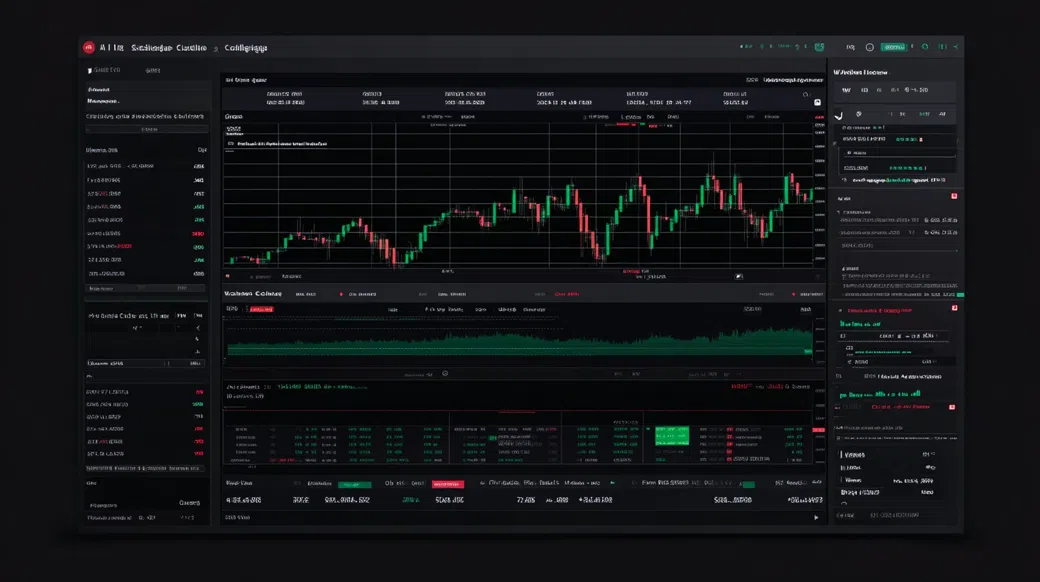
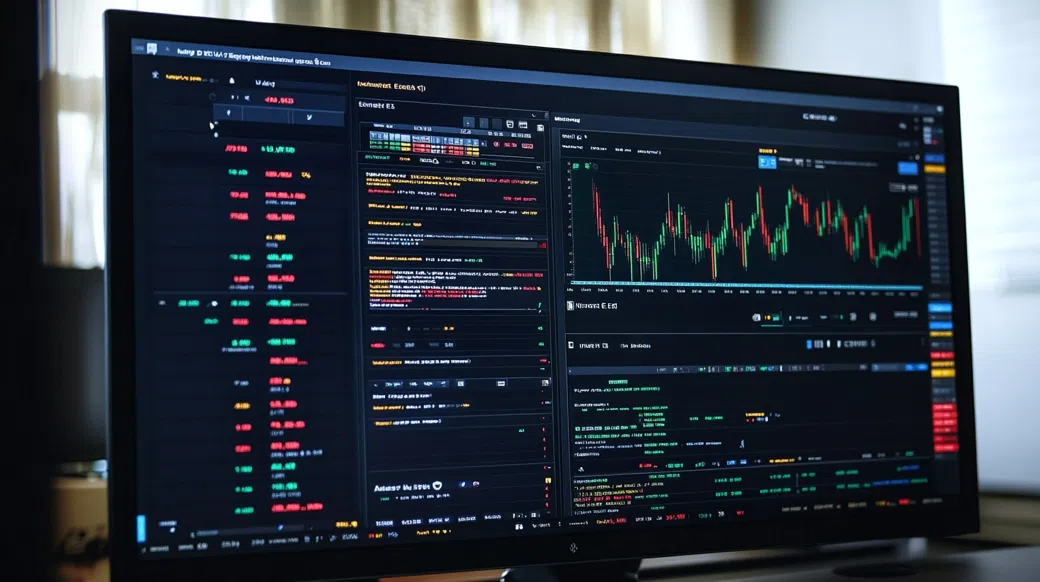
From a data-science angle, the WebTrader felt designed for speed over customization: stable sessions, clean watchlists, and enough order controls to manage risk without drowning you in menus. I placed a NAS100 CFD trade during the London–New York overlap and saw market and limit orders accepted without platform hiccups; fills were consistent on liquid instruments, though you won’t get the same ecosystem depth as MT4/MT5 for custom indicators and trade copiers. If you’re the type who audits execution, you’ll still be relying on your own logs because the analytics layer is basic.
Puente Valorío App: Mobile Trading Experience
The Puente Valorío app mirrors the WebTrader workflow closely, and I was able to handle trade entry, position edits, and funding from the same interface. Puente Valorío login supported biometric unlock on my test device, which reduced friction when checking margin during volatile moves. Push notifications for price alerts worked reliably, and one-tap position close is there for emergency exits, but deeper order-routing transparency (beyond a fill confirmation) remains limited—standard for proprietary stacks.
Charting, Tools & Research
Charting covers the essentials: multi-timeframe views, the usual indicator set (MA, RSI, MACD, Bollinger), and drawing tools for structure mapping. The platform also includes an economic calendar and a compact news feed; I used the calendar to time a gold position around US data, which is exactly where slippage risk lives. Still, research depth is a ceiling here—if you’re used to MT5 plug-ins or a cTrader-style analytics suite, this will feel functional rather than expansive.
Puente Valorío Account Opening & Minimum Deposit
What stood out in onboarding was how quickly the flow moved from basic identity fields to compliance checkpoints: email/phone verification first, then a prompt to complete KYC before withdrawals. For verification, I uploaded a government-issued photo ID plus a utility bill dated within three months; my account status flipped to verified later the same business day. The forms were minimal (address, DOB, experience prompts), but they did include AML declarations and a risk warning banner before entering the trading area.
- Minimum Deposit: $200
- Funding Methods: Visa/Mastercard, bank wire, regional e-wallets, and crypto (BTC, USDT)
- Demo Account: $10,000 virtual balance for platform familiarization and strategy testing
- Account Types: Standard (spread-only) and Raw/ECN-style (tight spreads + commission)
For readers searching “Puente Valorío minimum deposit,” the $200 threshold is the practical gate to a live account, and it’s enough to test margin behavior without over-committing capital. One detail I appreciated: base-currency selection happens early, which helps reduce conversion leakage if your funding currency matches your account.
Puente Valorío Customer Support Review
I tested support with a very specific trader question: how swap/overnight financing is calculated on XAU/USD and where the rate is displayed before entry. Live chat answered in about three minutes with a clear pointer to the instrument-spec page and confirmed the swap is applied at rollover with triple-swap on a designated day. I then emailed a follow-up about withdrawal rails and minimum payout limits; the ticket reply landed in roughly nine hours and matched what the portal showed for method-dependent thresholds.
Coverage is broadly 24/5, which fits the FX week, and the support tone was more procedural than sales-heavy. Language availability appears region-dependent, and I didn’t see a universally staffed phone line in my dashboard—email and chat are the core channels. Expect lighter staffing on weekends, especially if your question touches payments or compliance.
Ready to Explore Puente Valorío?
If you’re considering this provider, start by checking spreads on your usual symbols and verifying that your country is eligible before you deposit. A demo run is also a smart way to measure platform fit, especially if you rely on mobile execution.
Visit Puente ValoríoPuente Valorío Review FAQ
Is Puente Valorío good for beginners?
It can be, provided you treat leverage with respect and start on demo first. The interface is not cluttered and the Standard account keeps pricing simple, but the offshore framework means you should be extra disciplined about position sizing and withdrawals. Beginners should avoid max leverage until they’ve proven consistency.
Can I trade crypto on Puente Valorío?
Yes, crypto is offered as CFDs, with BTC and ETH as core markets. You’re trading price exposure rather than moving coins on-chain, so you won’t be sending crypto to a personal wallet. Financing and weekend conditions can meaningfully affect holding costs.
Is Puente Valorío a scam?
No, my 2026 usage didn’t show the typical scam failure points (blocked platform access, impossible withdrawals, or aggressive coercion). That said, it’s an offshore-registered CFD broker, so protections are not the same as with Tier‑1 regulators. Keep deposits sized to your risk tolerance and document all transactions.
Is Puente Valorío available in the USA?
No, the USA is restricted and accounts are not offered there. If you attempt to register from a blocked jurisdiction, you may be stopped by location checks or later by KYC address verification. US residents should use a properly US-regulated venue.
How long does a Puente Valorío withdrawal take?
Most withdrawals are processed internally within 24–48 hours after KYC is complete. Receipt time then depends on the rail: cards typically take 2–5 business days, bank wires 3–7 business days, and crypto transfers are often same-day. In my test, the delay was mostly on the payment-network side rather than the portal.
What is the Puente Valorío minimum deposit?
The Puente Valorío minimum deposit is $200 for a live account. That’s enough to test execution and margin behavior without scaling risk too quickly. If you plan to trade multiple positions, remember that leverage can amplify both gains and losses.
Does Puente Valorío have a mobile app?
Yes, it provides iOS and Android apps alongside the WebTrader. You can place orders, adjust stops/limits, and manage deposits or withdrawals from mobile. The app is best viewed as a streamlined execution tool rather than a full research terminal.
Final Verdict: Should You Use Puente Valorío in 2026?
Overall Score: 4.0/5
Numbers tell a clearer story than marketing, and my account logs suggest Puente Valorío is a functioning offshore CFD platform with fair tiered pricing and a usable proprietary trading stack. The Raw/ECN-style option is where costs made the most sense for frequent FX trading, while the Standard account is simpler for casual rotation across indices and gold. The decision hinge is jurisdiction: offshore registration can mean faster leverage and looser constraints, but also weaker dispute pathways. If you proceed, keep risk tight—CFDs are leveraged, and losses can exceed expectations fast. For those who want to compare the current conditions directly, Puente Valorío is worth checking.
Best for: active CFD traders who want 1:500 leverage and can self-manage risk controls. Avoid if: you require Tier‑1 regulation, guaranteed compensation schemes, or MT4/MT5-dependent workflows.