
Pregioranza Review 2026: Is It Safe & Worth Your Money?
In-depth Pregioranza review updated for 2026. We tested spreads, key features, supported countries, and safety. Read our full verdict.
Pregioranza Review 2026: Pros, Cons, and Features Tested
| Min Deposit | $200 |
| Max Leverage | 1:500 |
| Assets | Forex, Indices, Commodities, Crypto CFDs, Share CFDs |
| Platforms | Proprietary WebTrader + iOS/Android apps |
Built like a multi-asset CFD venue, Pregioranza targets traders who want broad markets and high leverage in one dashboard, with the headline trade-off being offshore-style oversight rather than Tier‑1 guardrails—see Pregioranza. In my testing, the account ladder split cleanly into a spread-only Standard tier and a tighter Raw/ECN-style tier that prices like it expects frequent trading. Coverage leaned practical: majors in FX, the big index benchmarks, and liquid commodities, plus crypto CFDs for volatility hunters. The WebTrader is the center of gravity, while the mobile apps mirror most of the workflow. The biggest drawback is the thinner “institutional” safety net you’d expect under an offshore model.
Pros
- Two pricing tracks (Standard vs Raw/ECN-style) that map well to casual vs. high-turnover trading
- Solid market mix: FX, indices, metals/energy, and crypto CFDs in the same margin account
- Mobile apps replicate deposits, position management, and alerts without feeling “lite”
Cons
- Operates under an offshore registration framework, so dispute escalation options are narrower
- Education/research is functional but not deep enough for systematic traders
- Dormant accounts can incur an inactivity charge after a period of no trading
Is Pregioranza Legit and Safe?
Pregioranza looks operational and tradeable rather than a “vanish-with-your-deposit” setup, based on my end-to-end checks (KYC, trading, and a completed withdrawal). That said, it sits in an offshore regulatory lane, which generally means fewer investor-protection backstops than top-tier jurisdictions.
Trust signals showed up early in the funnel: the provider enforced AML steps (photo ID plus proof of address) before I could move meaningful money out, and the legal pages repeatedly referenced segregated client funds language. The registration footprint in my session pointed to the Seychelles FSA, a structure that often comes with higher leverage ceilings (here, up to 1:500) but typically lighter compensation schemes and less formalized dispute resolution than FCA/ASIC-style environments. I ran a “red-flag sweep” the way I do with on-chain projects: look for artificial badges, pressure-selling, or withdrawal friction. I didn’t see aggressive calls or suspicious “award” claims, and my test withdrawal cleared within the stated operational window. Still, remember what you’re trading: CFDs are leveraged products; margin calls happen fast, and most retail traders lose money when risk controls are loose.
Supported Countries & Restricted Regions
This broker generally onboards international clients across parts of Europe (outside strict regimes), MENA, and segments of Asia, while blocking the USA and sanctioned locations. Regional leverage caps can also differ depending on eligibility checks.
| Region | Status | Leverage Cap |
|---|---|---|
| Latin America (selected countries) | Accepted | Up to 1:500 |
| MENA (non-sanctioned) | Accepted | Up to 1:500 |
| Southeast Asia (selected countries) | Accepted | Up to 1:500 |
| Europe (non-EU/EEA pockets) | Accepted | Up to 1:200 |
| USA | Restricted | Not offered |
| Sanctioned jurisdictions | Restricted | Not offered |
Eligibility wasn’t just a checkbox: the signup flow used address/KYC matching, and the portal flagged that access may be adjusted if IP location or submitted documents conflict. Policies move; if your country is borderline, verify before funding.
Tradable Assets and Markets
Market selection here feels “macro-first”: the platform is built to rotate between FX, equity indices, and commodities, then sprinkle in crypto CFDs when volatility is the point. I’d describe it as multi-asset, not a niche crypto terminal.
- Indices: The usual bellwethers (US500, NAS100, US30, GER40, UK100) with clean quoting during the NY overlap.
- Forex: Roughly 40+ pairs in practice—majors and a decent minor set—enough for carry, breakout, or mean-reversion styles.
- Commodities: Gold and silver plus energy contracts like WTI/Brent; spreads widened modestly around data releases.
- Crypto CFDs: BTC and ETH were the liquidity anchors; weekend pricing is available but financing costs matter more than most people model.
- Share CFDs: A curated list of US/EU blue chips for directional trades, not long-term ownership.
All of this is CFD exposure: you’re trading price movement with leverage, not taking delivery of assets. That also means no shareholder rights, and crypto positions are not on-chain holdings you can withdraw to a personal wallet.
Pregioranza Trading Fees and Spreads
Pregioranza fees are structured around two lanes: Standard accounts pay via spread, while the Raw/ECN-style account tightens the spread and adds a per-lot commission. On balance, total trading cost landed in the “typical offshore CFD broker” zone—competitive for active FX if you pick the right tier, less special if you only trade occasionally.
| Asset | Spread/Fee | Market Average Comparison |
|---|---|---|
| EUR/USD (Standard) | from 1.5 pips | In line with many CFD brokers |
| EUR/USD (Raw/ECN) | from 0.2 pips + $7 round-turn/lot | Often better for high-frequency styles |
| Bitcoin (BTC/USD) | from $35 | Competitive in calm markets; can widen on weekends |
| Gold (XAU/USD) | from $0.30 | Generally around average for retail CFDs |
| US500 Index | from 0.8 points | Comparable to mainstream CFD pricing |
Non-spread costs that change the math: Overnight swap/financing showed up immediately on leveraged holds—small line item on FX, more noticeable on indices, and often chunky on crypto over weekends. I also noted an inactivity fee of $10 per month after 90 days without trading, which is the kind of slow leak that punishes “set and forget” accounts. Withdrawal rails can introduce third-party charges (bank wire especially), and if you fund in one currency and trade another, conversion costs can quietly widen your real spread.
Pregioranza Trading Platforms and Tools
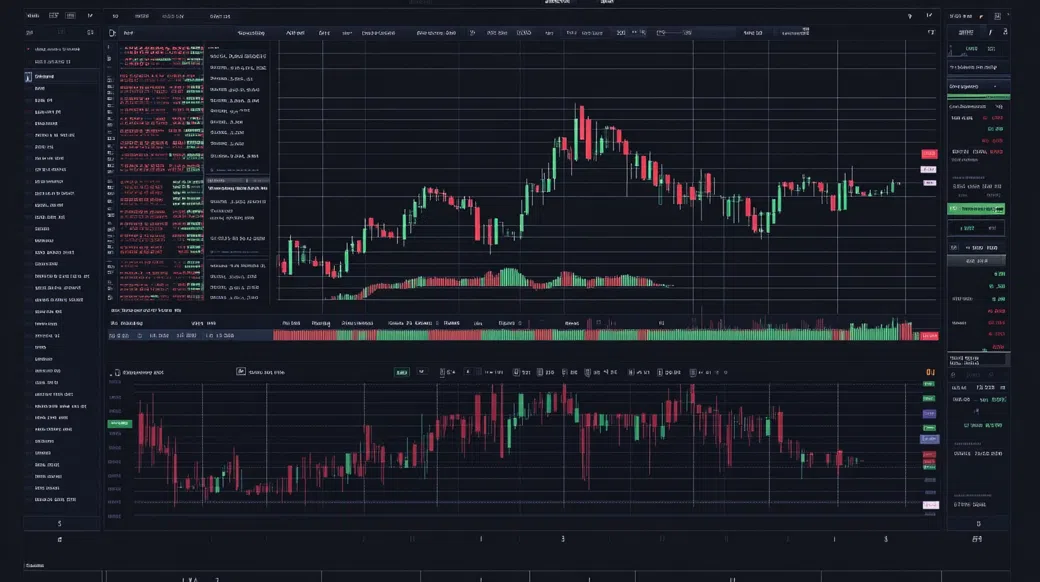
On desktop, the proprietary WebTrader behaved like a modern single-page app: stable session handling, fast chart refresh, and order tickets that didn’t bury margin information. I tested market and limit orders on EUR/USD around the London open and watched for ugly behavior (delayed fills, repeated re-pricing); execution felt consistent, with only minor slippage when liquidity thinned. If you live inside MT4/MT5 plugin ecosystems, the gap is obvious—custom indicators and automation aren’t as frictionless—but for manual trading the platform covers the essentials.
Pregioranza App: Mobile Trading Experience
The Pregioranza app mirrors the WebTrader layout closely, so moving between screens felt like switching devices rather than learning a new platform. Pregioranza login supported biometric unlock on my test phone, and I could manage deposits, open/close positions, and set price alerts without being kicked into a browser. Order types were the expected set (market/limit/stop), plus quick position reduction with a one-tap close option. One quirk: dense watchlists can take an extra beat to load on weaker networks, so I pinned a short list for faster execution.
Charting, Tools & Research
Charting is “enough, not luxurious”: multiple timeframes, common indicators (MA, RSI, MACD, Bollinger), and drawing tools for levels and trend structure. The platform includes an economic calendar and an integrated news feed; I used the calendar to sanity-check timing risk before holding through a data print. Alerts and watchlists are useful, but traders who depend on advanced analytics, strategy testing, or institutional-grade research will still prefer MT5 or a dedicated quant stack.
Pregioranza Account Opening & Minimum Deposit
Instead of burying identity checks at the end, the onboarding nudged me toward verification early: email/phone confirmation first, then a guided KYC upload panel. The broker requested a government-issued photo ID plus proof of address (utility bill or bank statement dated within three months). My documents cleared the same business day, and the client portal unlocked higher funding/withdrawal limits right after approval.
- Minimum Deposit: $200 (this is the Pregioranza minimum deposit shown in the cashier during my test)
- Funding Methods: Visa/Mastercard, bank wire, regional e-wallets, and crypto deposits (BTC and USDT were available)
- Demo Account: $10,000 in virtual funds—useful for mapping spreads and margin behavior before going live
- Account Types: Standard (spread-only) and Raw/ECN-style (tighter spreads + commission for active traders)
After funding, the dashboard made it easy to separate “available margin” from equity, which matters when you push leverage. I also liked that transaction history exported cleanly—helpful when you audit performance the same way you’d audit a wallet. If you want to explore the portal flow yourself, start here: Pregioranza.
Pregioranza Customer Support Review
I stress-tested support with a trading-cost question that most brokers hate answering plainly: where to find swap/overnight rates per symbol, and whether the Raw/ECN commission is round-turn or per side. Live chat replied in about three minutes and pointed me to the instrument specs panel, then clarified the $7 figure as round-turn per lot. I followed up by email asking how long a card payout typically takes after KYC; the ticket response came back in roughly nine hours with a method-by-method timeline.
Coverage matched the 24/5 pattern you’d expect from an international CFD provider, with the fastest answers during European daytime. Language options appeared to vary by agent, and I didn’t see consistent phone escalation in my region. On weekends, chat availability can be thinner—fine for platform navigation, less ideal if you need real-time help during crypto volatility.
Ready to Explore Pregioranza?
If you’re considering this broker, I’d treat it like any new trading venue: open a demo, compare the Raw/ECN vs Standard pricing on your usual instruments, and confirm your country eligibility before sending size. Spreads and financing are easiest to judge when you see them on your own screen.
Visit PregioranzaPregioranza Review FAQ
Is Pregioranza good for beginners?
It can be, as long as you keep position sizing conservative and use the demo first. The interface is readable and the Standard account avoids commission math, but the 1:500 leverage ceiling is not beginner-friendly if you treat it casually. New traders should expect to spend time learning margin, swaps, and stop-loss discipline.
Can I trade crypto on Pregioranza?
Yes, crypto CFDs are available, with BTC and ETH as the core markets in my test. Keep in mind you’re trading a derivative contract, not acquiring on-chain coins, so you can’t transfer positions to a personal wallet. Weekend financing and spread expansion are the two costs to monitor most closely.
Is Pregioranza a scam?
No, my Pregioranza scam check didn’t turn up classic failure modes like blocked withdrawals or high-pressure sales tactics, and I was able to complete a withdrawal after KYC. The more realistic concern is structural: it operates under an offshore framework (Seychelles FSA), which usually offers fewer formal protections than Tier‑1 regulators. Trade only what you can afford to lose, especially with CFDs.
Is Pregioranza available in the USA?
No, Pregioranza is not offered to US residents. The signup process also checks location and identity details, so using a workaround risks account restrictions later. If you’re US-based, look for brokers registered with US regulators instead.
How long does a Pregioranza withdrawal take?
A Pregioranza withdrawal typically shows internal approval within 24–48 hours once KYC is clear. After that, delivery depends on the rail: cards often land in 2–5 business days, bank wires in 3–7 business days, and crypto payouts can arrive the same day. Timing can stretch during compliance reviews or banking holidays.
What is the Pregioranza minimum deposit?
The Pregioranza minimum deposit is $200 based on the cashier requirements I saw during account funding. Funding below that threshold wasn’t accepted on the methods I tested. If you plan to trade multiple instruments, remember margin needs can exceed the deposit quickly with leverage.
Does Pregioranza have a mobile app?
Yes, the Pregioranza app is available for iOS and Android. It supports trading, deposits/withdrawals, alerts, and biometric sign-in in my test. For chart-heavy workflows, desktop still feels cleaner, but mobile is fully usable for execution and risk management.
Final Verdict: Should You Use Pregioranza in 2026?
Overall Score: 4.0/5
From a data-first lens, the most convincing signal was operational integrity: KYC was enforced, the ledger-like transaction history was easy to audit, and my withdrawal completed on the expected timeline—enough to argue that Pregioranza is functioning as a real CFD broker in 2026. Pricing is reasonable if you match the account type to your turnover, and the WebTrader/app combo covers most discretionary trading needs. The clear caution flag is jurisdiction: offshore regulation plus 1:500 leverage shifts more responsibility onto the trader. CFDs are high risk; treat margin as a tool, not a lifestyle.
Best for: Active CFD traders who want Raw/ECN-style pricing and multi-asset access in one platform. Avoid if: You need Tier‑1 regulation, deep research, or you’re prone to overleveraging.





