Pilna Majetencja Trading Platform Alternatives 2026
Compare Pilna Majetencja alternatives for 2026: regulated brokers, real costs (spreads/commissions), platforms, and safety checks for US/EU traders.
Pilna Majetencja Trading Platform Alternatives 2026: Reliable Options for Online Traders
Price is a story; flows are evidence. When I evaluate a broker, I don’t start with banner spreads or “VIP leverage.” I start with the plumbing: who regulates the entity, how money moves in and out, and whether the execution model looks built for trading or built for monetizing clients. In that frame, Pilna Majetencja sits in a familiar offshore/CFD-first category—typically marketed around a proprietary WebTrader, mobile access, and high leverage. That can be convenient for short-term speculation, but it also concentrates risk in the one place retail traders can’t hedge: counterparty and operational controls.
Based on publicly observed patterns for offshore providers of this type, traders may encounter a minimum deposit around $250, leverage up to about 1:500, and a “standard” EUR/USD spread often hovering near ~2.0 pips. You’ll usually see forex and CFDs as the core menu, sometimes with crypto exposure delivered as CFDs (price exposure, not on-chain ownership). For many users, the questions aren’t philosophical; they’re practical: Does this venue offer negative balance protection? Are client funds segregated? Is there an investor compensation scheme? Can you get MT4/MT5/cTrader for automation, or DMA for equities?
This guide maps those questions to actionable Pilna Majetencja alternatives—regulated options with clearer guardrails, better platform stacks, and more transparent cost-of-trade comparisons for 2026.
Disclaimer: This article is for informational purposes only and does not constitute investment advice. Trading CFDs and other leveraged products involves a high risk of loss and may not be suitable for all investors.
Key Takeaways (TL;DR)
- Offshore CFD venues can look cheap on headlines; compare round-turn costs (spread + commission + slippage) and withdrawal frictions before funding.
- If you need real stocks/ETFs, options, or futures, prioritize multi-asset brokers (e.g., IBKR or Saxo) rather than CFD-only inventories.
- Open and KYC-verify the new account first; then withdraw using the same rails you deposited with to reduce AML-related payment holds.
What Is Pilna Majetencja and How Does Its Trading Platform Work?
Viewed through a trader’s risk lens, Pilna Majetencja looks like a CFD-oriented brokerage setup operating under an offshore framework (commonly associated with the Seychelles FSA in this segment). The product mix typically centers on forex pairs and CFDs on indices/commodities, with crypto price exposure often offered via CFDs as well. That profile usually implies a dealing-desk/market-maker style execution model for at least part of the flow—fine for some strategies, but it raises the bar on transparency when fills, slippage, and stop behavior matter. This is why brokers similar to Pilna Majetencja get judged less by slogans and more by verifiable controls: segregated client funds, dispute channels, and regulator oversight.
Pilna Majetencja Web Trading Platform: Core Features and Tools
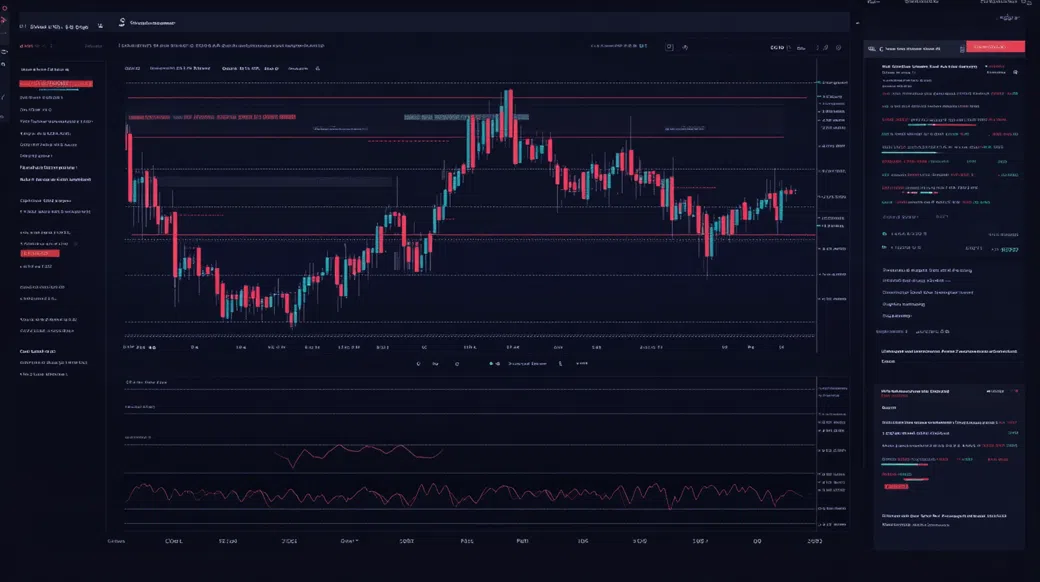
The typical stack here is a proprietary WebTrader with a companion iOS/Android app. Expect functional—but not institutional—tooling: standard timeframes, a workable set of indicators, and common drawing tools for chart annotation. Order entry usually covers market/limit/stop, plus basic stop-loss/take-profit management from the ticket. The dashboard experience is often optimized for deposits, positions, and simple reporting rather than deep analytics. Mobile parity tends to be “good enough” for monitoring and closing risk, but advanced workflows (multi-chart layouts, strategy testing, robust alert logic) can feel compressed compared with MT4/MT5/cTrader ecosystems that many platforms like Pilna Majetencja compete against.
Trading Fees, Spreads, and Account Types at Pilna Majetencja
Cost structure in this offshore CFD tier commonly follows a spread-led “Standard” account, with EUR/USD often around ~2.0 pips in typical conditions. Some providers also advertise a Raw/ECN-style tier (frequently ~0.0–0.4 pips plus a round-turn commission in the ~$6 range), though the all-in result still depends on execution quality and slippage. Overnight financing (swap) is the quiet line item that accumulates on multi-day holds, and it’s where “cheap” can get expensive. Minimum deposits are often about $250, and maximum leverage can run up to roughly 1:500—powerful, but unforgiving when volatility spikes and margin calls arrive quickly.
When Do Traders Start Looking for Pilna Majetencja Alternatives?
Data has a way of forcing the issue. The moment your trading journal shows that “platform behavior” explains more variance than your strategy, you start shopping. For many people, the hunt for Pilna Majetencja alternatives begins with a mismatch between what’s being traded (leveraged CFDs) and the level of oversight governing the venue (offshore rules, lighter recourse, limited compensation structures). Add high leverage and you get a fragile system: a small price gap plus slippage can do more damage than a week of bad signals. The best Pilna Majetencja alternatives 2026 are usually the ones that make risk boring—clear disclosures, stable infrastructure, and a regulator you can actually look up.
- You need MT4/MT5 or cTrader for an automated strategy (EAs, custom indicators, or copy execution) and the proprietary WebTrader can’t replicate the workflow.
- Withdrawals start taking longer than expected or require repeated “verification loops,” making cash management unpredictable.
- Your strategy depends on tight stops and fast fills, but you see frequent slippage around news or at session opens, suggesting execution friction.
- You want exposure to real equities/ETFs (with proper market access) rather than stock CFDs that carry different rights, fees, and gap risk.
How to Choose a Reliable Alternative to the Pilna Majetencja Trading Platform
Selection is not a beauty contest; it’s fit-to-strategy under constraints. Treat the choice as a risk-budget exercise: define what must be true (regulation, funding rails, platform stack), then compare all-in trading costs under your expected volume. If your edge is small, a tenth of a pip matters more than flashy leverage. This is the core logic behind choosing regulated options vs Pilna Majetencja when capital preservation is part of the mandate.
Regulation, Safety, and Investor Protection
Start with a regulator you can verify: FCA (UK), ASIC (Australia), CySEC (EU), or NFA/CFTC (US). These frameworks usually enforce rules around segregated client funds and disclosures, and some jurisdictions provide compensation schemes—FSCS in the UK up to £85,000 for eligible clients, and Cyprus’ ICF up to €20,000 (eligibility and coverage vary). Offshore setups generally don’t match that safety net. If you are comparing competitors to Pilna Majetencja, the regulator’s public register is your first “ground truth” dataset.
Available Markets and Instruments
Write down what you truly need: spot FX and index CFDs for tactical trades, or real stocks/ETFs for longer-horizon allocation, or options/futures for defined risk and hedging. Many offshore CFD brokers emphasize breadth via CFDs, but that’s not the same as owning the underlying. Multi-asset venues can offer exchange-listed products, which changes everything—from corporate actions to margin methodology. For traders who mix macro (FX) with equity factor exposure, the instrument menu is the difference between a coherent portfolio and a patchwork.
Trading Costs: Spreads, Commissions, and Other Fees
Compare round-turn cost-of-trade, not marketing lines. A “2.0 pip” spread on EUR/USD is simple; a “0.1 pip + commission” model requires you to add the commission and expected slippage. Then layer in swap/overnight financing if you hold positions beyond the session, plus any inactivity or funding fees. One more trap: high leverage lowers required margin but doesn’t lower risk; it can increase liquidation probability under the same volatility regime.
Platforms, Tools, and Execution Quality
Platform choice is strategy choice. MT4/MT5 and cTrader support algorithmic trading, advanced order handling, and a mature tooling ecosystem; proprietary WebTrader stacks can be fine for discretionary trading but may limit automation and data export. Execution model matters too: market maker vs STP/ECN/DMA influences how orders are handled and how slippage shows up. If you’re benchmarking Pilna Majetencja alternatives, test with small size during the times you actually trade (London open, NY overlap) and measure fill quality, not feelings.
Support, Education, and Overall User Experience
Support quality becomes visible only when something breaks: a deposit delay, a margin call dispute, a corporate action question. Look for clear hours, multilingual coverage (especially for EU clients), and documented response pathways. Education is a bonus, but transparency is the product: concise fee tables, platform documentation, and risk disclosures that don’t hide behind fine print. Mobile parity matters if you manage risk on the move—closing exposure fast beats having “more indicators” you can’t act on.
Pilna Majetencja and Different Asset Classes: When Alternatives May Be Better
Pilna Majetencja Forex and CFD Trading
Forex and CFD trading is where Pilna Majetencja’s category usually concentrates: roughly a few dozen FX pairs (often ~30–50), plus index and commodity CFDs, with leverage that can reach about 1:500. The tradeoff is that headline leverage doesn’t compensate for friction. A typical EUR/USD spread near ~2.0 pips can be meaningful for active traders, and execution details (requotes, stop handling, and slippage during volatility) become the true cost center. Regulated FX/CFD specialists like Pepperstone or OANDA tend to offer clearer execution disclosures and platform choice (MT4/MT5/cTrader or strong proprietary stacks), and they operate under stricter oversight (FCA/ASIC/CySEC and, for OANDA, NFA/CFTC in the US). If your edge is measured in a few pips, shaving the spread and stabilizing fills can matter more than any “bonus” feature.
Pilna Majetencja Stock and ETF Trading
Stock and ETF access is the common gap for offshore CFD-first venues. Even when “stocks” appear in the menu, the exposure is frequently via CFDs—no shareholder rights, no direct participation in corporate actions beyond broker adjustments, and different financing mechanics. For investors mixing trading with long-term positioning, that distinction isn’t academic; it’s structural. Interactive Brokers (IBKR) and Saxo Bank are the workhorse alternatives to the Pilna Majetencja trading platform here because they offer broad multi-asset access, including real stocks and ETFs (plus options/futures, depending on region and permissions). DMA-style access and deeper reporting can also simplify tax lots and portfolio analytics. For a data-driven process, the ability to export clean statements and reconcile positions reliably is a feature, not an afterthought.
Pilna Majetencja Crypto Trading
Crypto at offshore CFD brokers is often “crypto CFDs,” meaning you’re trading a derivative price feed rather than holding assets on-chain. That can be acceptable for short-term directional trades, but it’s not a substitute for self-custody or spot ownership—no withdrawals to a wallet, no on-chain transfers, and counterparty risk stays front and center. If you want regulated derivative exposure, brokers like IG and Plus500 commonly provide crypto CFDs (availability depends on jurisdiction and evolving rules). For traders who treat blockchain as a data layer—tracking exchange inflows, stablecoin issuance, and wallet clustering—CFDs can express the view, but the venue must be robust. And yes: funding, margin, and weekend gaps in crypto CFDs can behave differently than FX, so risk limits should be tighter than your instincts suggest.
Best Pilna Majetencja Alternatives for 2026: Comparison of Top Trading Platforms
Interactive Brokers (IBKR): Key Facts and How It Compares to Pilna Majetencja
Regulation: SEC/FINRA (US), FCA (UK), IIROC (Canada)
Markets: Stocks, ETFs, options, futures, bonds, FX (region-dependent access)
Fees: Varies by product; FX priced via tight spreads plus commissions in many structures; equity commissions depend on plan/venue
Platform: Trader Workstation (TWS), IBKR Desktop/Mobile, Client Portal; API access
Best For: Multi-asset quant-style execution and reporting
Pepperstone: Key Facts and How It Compares to Pilna Majetencja
Regulation: FCA (UK), ASIC (Australia), CySEC (EU), DFSA (Dubai)
Markets: FX and CFDs (indices, commodities, some crypto CFDs depending on region)
Fees: EUR/USD typically ~0.0–0.3 pips + commission on Razor/Raw-style accounts; ~1.0+ pip range on Standard (varies)
Platform: MT4, MT5, cTrader, TradingView integration (where available)
Best For: Low-latency FX trading with cTrader/MT stack
Saxo Bank: Key Facts and How It Compares to Pilna Majetencja
Regulation: FCA (UK), MAS (Singapore), DFSA (Dubai)
Markets: Stocks, ETFs, options, futures, FX, bonds, CFDs
Fees: Tiered pricing by product; FX spreads generally competitive on higher tiers; custody/market fees can apply by venue
Platform: SaxoTraderGO, SaxoTraderPRO
Best For: Portfolio-style trading across global exchanges
IG: Key Facts and How It Compares to Pilna Majetencja
Regulation: FCA (UK), ASIC (Australia), MAS (Singapore)
Markets: CFDs (indices, FX, commodities, shares), spread betting (UK/IE), crypto CFDs (where permitted)
Fees: Costs usually spread-based on CFDs; major FX pairs often around ~0.6–1.0+ pips depending on market/region
Platform: IG Web Platform, mobile apps; MT4 support in some regions
Best For: Macro traders who want broad CFD coverage
OANDA: Key Facts and How It Compares to Pilna Majetencja
Regulation: CFTC/NFA (US), FCA (UK), ASIC (Australia), IIROC (Canada)
Markets: FX (and CFDs in certain jurisdictions), metals; crypto availability varies by region
Fees: Typically spread-based pricing; EUR/USD often around ~0.8–1.3 pips depending on account/conditions
Platform: OANDA web/mobile, MT4; API offerings
Best For: FX-first traders who value US/EU-grade oversight
Plus500: Key Facts and How It Compares to Pilna Majetencja
Regulation: FCA (UK), CySEC (EU), ASIC (Australia), MAS (Singapore)
Markets: CFDs on FX, indices, commodities, shares; crypto CFDs (where allowed)
Fees: Generally spread-led; typical FX spreads often around ~0.6–1.5+ pips depending on pair/conditions
Platform: Plus500 proprietary WebTrader and mobile app
Best For: Simple CFD execution without third-party platforms
Comparison Summary
| Platform | Regulation | Main Markets | Typical Costs | Best For |
|---|---|---|---|---|
| Interactive Brokers (IBKR) | SEC/FINRA, FCA, IIROC | Real stocks/ETFs, options, futures, bonds, FX | Product-dependent; FX often tight + commission; exchange fees may apply | Multi-asset quant-style execution and reporting |
| Pepperstone | FCA, ASIC, CySEC, DFSA | FX + CFDs | Raw-style ~0.0–0.3 pips + commission; Standard ~1.0+ pip range | Low-latency FX trading with cTrader/MT stack |
| Saxo Bank | FCA, MAS, DFSA | Real stocks/ETFs, options/futures, FX, bonds, CFDs | Tiered by product; competitive FX on higher tiers; venue fees possible | Portfolio-style trading across global exchanges |
| IG | FCA, ASIC, MAS | CFDs; spread betting (UK/IE); crypto CFDs (where permitted) | Mostly spread-based; major FX often ~0.6–1.0+ pips | Macro traders who want broad CFD coverage |
| OANDA | CFTC/NFA, FCA, ASIC, IIROC | FX (plus CFDs in some regions) | Spread-based; EUR/USD often ~0.8–1.3 pips | FX-first traders who value US/EU-grade oversight |
| Plus500 | FCA, CySEC, ASIC, MAS | CFDs on FX/indices/commodities/shares; crypto CFDs (where allowed) | Spread-led; FX commonly ~0.6–1.5+ pips depending on conditions | Simple CFD execution without third-party platforms |
How to Safely Move from Pilna Majetencja to Another Broker
Migrations fail in the gaps: the day you’re half-withdrawn, half-positioned, and fully exposed to operational surprises. Treat the switch as controlled risk reduction—verify the destination first, then unwind the source with clean records. If you’re moving away from Pilna Majetencja, remember that leverage magnifies small execution issues into large P&L swings, so reduce size before you change infrastructure.
- Confirm the new broker’s license on the regulator’s public register (FCA Register, ASIC Connect, CySEC listings, or NFA BASIC) and match the legal entity name, not just the brand.
- Open the new account and complete KYC/AML checks (ID + proof of address) before touching your existing account balance; approvals often clear within a business day, but delays happen.
- Export your full statement history—trades, deposits, withdrawals, and fees—so your tax reporting and performance analytics stay auditable.
- Flatten open positions rather than assuming “transfer”; most retail brokers don’t port CFD positions across venues, so re-enter on the new platform only after you understand margin and contract specs.
- Withdraw funds using the same method you deposited with whenever possible; this is a common AML rule and it reduces the odds of payment reversals or manual review.
Ready to Explore Pilna Majetencja?
If you’re still evaluating the venue, review current onboarding terms, regional eligibility, and the platform stack side-by-side with regulated substitutes. A quick check of funding methods, leverage limits, and fee disclosures can reveal more than a glossy spread screenshot.
Visit Pilna MajetencjaFAQ: Pilna Majetencja Alternatives and Trading Platforms
What is the best alternative to Pilna Majetencja in 2026?
The best alternative depends on whether you need CFDs-only simplicity or full multi-asset access. For real stocks/ETFs and advanced reporting, Interactive Brokers (IBKR) and Saxo Bank are strong picks; for FX execution and platform choice (MT4/MT5/cTrader), Pepperstone and OANDA are common upgrades. In practice, the “best Pilna Majetencja alternatives 2026” are the ones whose regulation and cost-of-trade match your strategy’s edge.
Is Pilna Majetencja a safe broker/platform?
Pilna Majetencja appears to fit an offshore/unregulated-or-lightly-regulated profile typical of CFD venues associated with frameworks like the Seychelles FSA. That doesn’t automatically mean misconduct, but it usually means fewer investor-protection mechanisms than FCA/ASIC/CySEC/NFA regimes (including limited compensation coverage and recourse). For risk control, prioritize regulated options vs Pilna Majetencja and verify the legal entity on the regulator’s register.
Can I trade stocks, futures, or crypto with Pilna Majetencja?
Pilna Majetencja’s category typically focuses on forex and CFDs, with “stocks” often offered as stock CFDs rather than real share ownership, and crypto exposure commonly delivered as crypto CFDs (price exposure, not on-chain coins). Exchange-traded futures and options are more reliably available at multi-asset brokers like IBKR or Saxo Bank. If your goal is a single account spanning FX, equities, and listed derivatives, consider alternatives to the Pilna Majetencja trading platform built for that scope.
What should I check before switching from Pilna Majetencja to another platform?
Before switching, verify the new broker’s regulator listing, legal entity, and client-money rules (segregated funds, negative balance protection where applicable). Then compare round-turn costs for your strategy—spread + commission + expected slippage + swap—because that’s what hits your P&L. Finally, confirm you can pass KYC and withdraw from Pilna Majetencja using the same funding rails to reduce AML-related delays.
About the Author: Alice Wu is a data scientist and market analyst who treats trading claims as hypotheses and transaction evidence as the test. She focuses on execution quality, risk controls, and the hidden mechanics—fees, slippage, and money movement—that decide outcomes long before a chart pattern does.