Ostra Zyskownia Trading Platform Alternatives 2026
A data-driven guide to Ostra Zyskownia alternatives in 2026: compare regulated brokers, costs, execution, platforms, and safety steps for US/EU traders.
Ostra Zyskownia Trading Platform Alternatives 2026: Reliable Options for Online Traders
Price can whisper whatever story it wants; flows tend to be less poetic. When I evaluate a broker, I think in ledgers: where funds move, how quickly withdrawals clear, and what protections exist if something breaks. On that score, Ostra Zyskownia looks like many offshore CFD-first venues: a proprietary WebTrader plus mobile apps, high leverage advertised (commonly up to 1:500), and a product menu that usually centers on FX and CFDs (often including crypto CFDs) rather than true multi-asset ownership.
Based on patterns consistent with offshore providers, you’ll typically see a minimum deposit around $250 and EUR/USD spreads around 2.0 pips on a standard-style account, with the possibility of a “raw” tier that shifts cost into commission. That setup can work for some short-term speculators—but it also creates a specific set of failure modes: wider all-in costs for active traders, fewer platform integrations (MT4/MT5/cTrader may not be a given), and weaker investor safeguards compared with FCA/ASIC/CySEC or NFA-regulated firms.
This is why “Ostra Zyskownia alternatives” is not just a shopping list—it’s a risk redesign. Below, I map alternatives to the way different strategies actually trade: execution model, slippage, fee plumbing (spread vs commission vs swap), and whether you’re getting CFDs or real stocks/ETFs. The goal is simple: reduce avoidable risk while keeping the tooling that matches your workflow.
Disclaimer: This article is for informational purposes only and does not constitute investment advice. CFDs and other leveraged products carry a high risk of loss and may not be suitable for all investors.
Key Takeaways (TL;DR)
- Offshore CFD venues can offer high leverage, but regulated substitutes typically provide clearer client-fund segregation and stronger dispute pathways (plus compensation schemes in some jurisdictions).
- Compare trading costs using round-turn economics (spread + commission + swap), not headline “from” spreads or maximum leverage.
- If you need real stocks/ETFs (not stock CFDs), a multi-asset broker like Interactive Brokers or Saxo is usually a better fit than CFD-only stacks.
- Migrate safely by verifying the new broker on the regulator’s register, completing KYC first, then withdrawing using the same rails you deposited with to satisfy AML checks.
What Is Ostra Zyskownia and How Does Its Trading Platform Work?
From a market-structure standpoint, Ostra Zyskownia appears positioned as a retail, CFD-first trading venue operating under an offshore framework (commonly associated with the Seychelles FSA in this category). The product focus is typically FX pairs and index/commodity CFDs, with crypto exposure frequently delivered as CFDs rather than on-chain ownership. For traders used to prime-broker style reporting and audit trails, this matters: an offshore setup can mean fewer standardized disclosures about execution quality, order handling, and client-money protections than you’ll find at top-tier regulated firms.
Ostra Zyskownia Web Trading Platform: Core Features and Tools
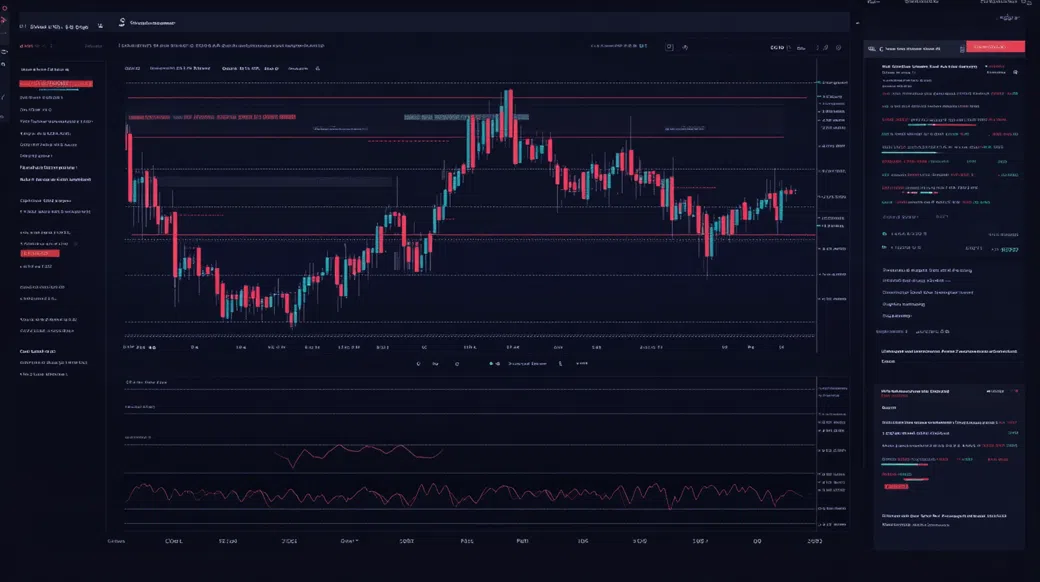
The platform stack is usually a proprietary WebTrader with a companion iOS/Android app—functional, but not always built for deep workflow customization. Expect basic-to-mid charting (common indicators, drawing tools, and timeframe switching), plus standard order tickets for market/limit/stop orders. The mobile experience often mirrors the web layout, which helps for monitoring, but advanced controls—like granular order routing, strategy testing, or institutional-style reporting—are rarely the center of gravity for platforms like Ostra Zyskownia. If your edge depends on automation (EAs), third-party analytics, or precise execution diagnostics, that’s where competitors to Ostra Zyskownia can pull ahead.
Trading Fees, Spreads, and Account Types at Ostra Zyskownia
Cost-wise, offshore CFD brokers frequently cluster around a standard account with EUR/USD spreads near 2.0 pips, with higher “all-in” friction for frequent traders. Some providers in this segment also advertise a raw/ECN-style tier where spreads can compress (often ~0.0–0.4 pips) but the bill reappears as commission (commonly $5–$8 round-turn per standard lot). Add swap/overnight financing for positions held past rollover, and your true cost becomes strategy-dependent. Also watch operational fees—withdrawal charges, currency conversion markups, and inactivity policies—because they don’t show up in the spread yet still hit performance.
When Do Traders Start Looking for Ostra Zyskownia Alternatives?
One reliable signal is when the “story” on the platform stops matching the math in your trade log. If your realized fills drift from expected entries, or you see repeated slippage clusters around news, you start hunting Ostra Zyskownia alternatives that publish clearer execution standards or offer more robust platform telemetry. Another trigger is jurisdictional: US residents are typically restricted at offshore CFD venues, and EU/UK traders may prefer a framework with explicit negative balance protection rules and standardized risk disclosures. Add in the leverage factor—1:500 magnifies both returns and errors—and switching becomes a risk-control decision, not a convenience upgrade.
- You need MT4/MT5 or cTrader to run an EA/systematic strategy, but the current WebTrader doesn’t support your automation stack.
- Your monthly FX volume makes a ~2.0 pip EUR/USD spread economically painful versus a raw-spread + commission model.
- You want regulator-backed safeguards (segregated client funds, complaints channels, and compensation schemes) that offshore setups often don’t match.
- You’re trying to trade real stocks/ETFs (ownership, not CFDs), but the menu is mostly CFD instruments.
How to Choose a Reliable Alternative to the Ostra Zyskownia Trading Platform
Think like a risk engineer: define what can hurt you (counterparty risk, execution risk, cost drag), then choose the broker that shrinks those exposures without breaking your strategy. For alternatives to the Ostra Zyskownia trading platform, I score candidates on three axes: (1) regulatory perimeter and client-money handling, (2) execution tooling and transparency, and (3) all-in costs measured the way a trader actually pays them.
Regulation, Safety, and Investor Protection
In the US/EU lens, regulation is less about branding and more about enforceable rules. FCA-regulated UK firms can fall under FSCS protection (up to £85,000 in certain cases), while CySEC firms may participate in the ICF (up to €20,000, subject to eligibility). ASIC oversight is also widely respected for conduct and capital rules. Look for segregated client funds, clear negative balance protection terms (common in UK/EU retail contexts), and a regulator register entry you can verify independently.
Available Markets and Instruments
Your instrument list should mirror your strategy, not a broker’s marketing menu. FX and index CFDs cover many short-term approaches, but portfolio-style traders often need real stocks/ETFs, options, bonds, or futures access. Multi-asset brokers can also reduce “platform sprawl” by letting you hold cash equities alongside hedges. If your plan includes crypto, decide upfront whether you want CFD price exposure or actual coins; those are different risk profiles and different custody realities.
Trading Costs: Spreads, Commissions, and Other Fees
Spreads are only the front door. The right unit is round-turn cost: spread (in pips) + commission + any predictable add-ons. Then layer swap/overnight financing if you hold positions, plus non-trading charges like inactivity fees or withdrawal costs. A scalper doing 200 round turns a month feels a 0.8 pip difference sharply; a swing trader may care more about swap and execution consistency than micro-spreads.
Platforms, Tools, and Execution Quality
Platform choice is a tooling constraint. MT4/MT5 and cTrader enable automation, custom indicators, and a large third-party ecosystem; proprietary platforms vary widely. Execution model matters too: market maker vs STP/ECN/DMA affects how orders are internalized or routed, which can influence slippage during volatility. If you’re leaving Ostra Zyskownia, prioritize brokers that disclose execution policies and provide stable infrastructure—especially around major macro releases when latency and requotes (or their equivalents) become expensive.
Support, Education, and Overall User Experience
Support is operational alpha when something goes wrong. Check coverage hours (24/5 vs limited windows), language availability, and response quality on funding and platform issues. Education matters less as “content” and more as practical documentation: margin rules, order types, corporate actions (for stocks), and platform guides. Mobile parity is also non-trivial; if you manage risk on the go, you want full order management and alerts, not just price watching.
Ostra Zyskownia and Different Asset Classes: When Alternatives May Be Better
Ostra Zyskownia Forex and CFD Trading
FX is where offshore CFD platforms usually concentrate: think ~30–50 currency pairs plus a handful of index and commodity CFDs, with leverage commonly promoted up to 1:500 and a standard EUR/USD spread around 2.0 pips. The trade-off is that “headline leverage” doesn’t pay your bills—execution and cost do. Regulated FX/CFD specialists such as Pepperstone or OANDA tend to offer tighter pricing structures (often standard spreads nearer ~1.0 pip, or raw spreads near ~0.0–0.3 pips plus commission) and clearer policies around negative balance protection and order handling. If you run short-duration trades, consistent fills and transparent fee schedules often matter more than the maximum leverage banner.
Ostra Zyskownia Stock and ETF Trading
Stock and ETF access is where many traders feel the boundary of CFD-first platforms. Even when “shares” are listed, the exposure is frequently delivered as stock CFDs—no shareholder rights, no direct participation in corporate actions the way a cash equity holder experiences them, and different tax/reporting implications depending on jurisdiction. For traders who want real ownership, Interactive Brokers (IBKR) is built for multi-asset coverage—stocks, ETFs, options, futures, and more—while Saxo Bank also caters to investors who want a single account spanning cash products and derivatives. That difference isn’t cosmetic: DMA-style access and robust reporting can reduce operational uncertainty when you’re managing a longer-term book rather than a short-term CFD blotter.
Ostra Zyskownia Crypto Trading
Crypto on many offshore venues is typically “price exposure via CFD,” not on-chain coins you can withdraw to a wallet. That distinction is the whole game: a crypto CFD is a contract with the broker, so your risk is largely counterparty + market risk, not blockchain custody. If you specifically want regulated crypto CFD exposure, brokers like IG or Plus500 are known for offering crypto CFDs in eligible regions alongside broader CFD menus, with retail risk controls that are generally clearer than offshore counterparts. If your intent is to track blockchain flows and custody assets yourself, you’ll likely prefer an exchange and self-custody workflow—outside the scope of most CFD brokers and very different from platforms like Ostra Zyskownia.
Best Ostra Zyskownia Alternatives for 2026: Comparison of Top Trading Platforms
Interactive Brokers (IBKR): Key Facts and How It Compares to Ostra Zyskownia
Regulation: SEC/FINRA (US), FCA (UK), IIROC (Canada)
Markets: Stocks, ETFs, options, futures, FX, bonds, funds
Fees: FX pricing varies by schedule; commissions apply on many products; costs often competitive at scale (review product-specific tickets)
Platform: Trader Workstation (TWS), IBKR Desktop, mobile app, Client Portal APIs
Best For: Data-driven multi-asset traders who want deep reporting and APIs
Pepperstone: Key Facts and How It Compares to Ostra Zyskownia
Regulation: FCA (UK), ASIC (Australia), CySEC (Cyprus), DFSA (Dubai)
Markets: FX, CFDs (indices, commodities, some shares depending on region)
Fees: Standard spreads often around ~1.0+ pip on EUR/USD; Raw accounts can be ~0.0–0.3 pips plus commission (varies by entity)
Platform: MT4, MT5, cTrader, TradingView integration (availability varies)
Best For: Systematic FX traders using EAs or cTrader automation
Saxo Bank: Key Facts and How It Compares to Ostra Zyskownia
Regulation: FCA (UK), MAS (Singapore), DFSA (Dubai)
Markets: Stocks, ETFs, options, futures, FX, bonds, CFDs
Fees: Tiered pricing by product and account; FX spreads often competitive; commissions apply on exchange-traded assets
Platform: SaxoTraderGO, SaxoTraderPRO
Best For: Portfolio builders who want stocks/ETFs plus hedging tools
OANDA: Key Facts and How It Compares to Ostra Zyskownia
Regulation: CFTC/NFA (US), FCA (UK), ASIC (Australia), IIROC (Canada)
Markets: FX (core), CFDs in eligible regions (indices/commodities/crypto CFDs depending on jurisdiction)
Fees: Pricing varies by region; spreads commonly from ~0.6–1.2+ pips on major FX pairs (account type dependent)
Platform: OANDA web/mobile, MT4 (availability varies), API access
Best For: US-eligible FX traders prioritizing regulatory clarity
IG: Key Facts and How It Compares to Ostra Zyskownia
Regulation: FCA (UK), ASIC (Australia), MAS (Singapore)
Markets: CFDs (indices, FX, commodities, shares), spread betting (UK/IE), limited investing features by region
Fees: Costs depend on instrument; FX spreads often from ~0.6+ pips on majors; overnight financing applies on CFDs
Platform: IG web platform, mobile app, MT4 (in certain regions)
Best For: Macro CFD traders who want broad markets and research
Plus500: Key Facts and How It Compares to Ostra Zyskownia
Regulation: FCA (UK), CySEC (Cyprus), ASIC (Australia), MAS (Singapore)
Markets: CFDs (FX, indices, commodities, shares, crypto CFDs where permitted)
Fees: Spread-based pricing; EUR/USD spreads often around ~0.6–1.2+ pips (varies with conditions); overnight fees apply
Platform: Plus500 proprietary WebTrader and mobile app
Best For: Beginners who prefer a simple, app-first CFD interface
Comparison Summary
| Platform | Regulation | Main Markets | Typical Costs | Best For |
|---|---|---|---|---|
| Interactive Brokers (IBKR) | SEC/FINRA, FCA, IIROC | Stocks/ETFs, options, futures, FX, bonds | Product-based commissions; FX pricing schedule varies | Data-driven multi-asset traders who want deep reporting and APIs |
| Pepperstone | FCA, ASIC, CySEC, DFSA | FX + CFDs | EUR/USD ~1.0+ pip (Standard) or ~0.0–0.3 + commission (Raw) | Systematic FX traders using EAs or cTrader automation |
| Saxo Bank | FCA, MAS, DFSA | Stocks/ETFs, options, futures, FX, CFDs | Tiered spreads/commissions; exchange fees on listed assets | Portfolio builders who want stocks/ETFs plus hedging tools |
| OANDA | CFTC/NFA, FCA, ASIC, IIROC | FX (core), CFDs in eligible regions | Often ~0.6–1.2+ pips on majors (varies by entity/account) | US-eligible FX traders prioritizing regulatory clarity |
| IG | FCA, ASIC, MAS | CFDs across FX/indices/commodities/shares | FX spreads often from ~0.6+ pips; financing on CFD holds | Macro CFD traders who want broad markets and research |
| Plus500 | FCA, CySEC, ASIC, MAS | CFDs across FX/indices/commodities/shares/crypto CFDs | Spread-based; EUR/USD often ~0.6–1.2+ pips; overnight fees | Beginners who prefer a simple, app-first CFD interface |
How to Safely Move from Ostra Zyskownia to Another Broker
Migrations fail when people treat them like a login change instead of a risk event. You’re moving counterparties, margin rules, and sometimes even product definitions (CFD vs cash). Before you redeploy size, make the process auditable: screenshots, statements, and a small-scale live test. If you’re currently using Ostra Zyskownia, assume positions won’t transfer and plan for slippage during the switch—especially if markets are volatile.
- Confirm the new broker’s authorization on the regulator’s public register (FCA Register, ASIC Connect, CySEC register, or NFA BASIC) and match the legal entity name, not just the brand.
- Open the new account and complete KYC/AML first (ID + proof of address), so you’re not stuck mid-withdrawal without a ready destination for funds.
- Export and save your full trade history, account statements, and funding records for tax and dispute purposes before you change anything else.
- Flatten or hedge open exposure: close positions on the old venue and re-enter at the new broker when you’re ready, since cross-broker position transfers are rarely supported.
- Withdraw using the same payment rails used for deposit where possible; many brokers enforce this to satisfy AML rules and reduce chargeback fraud.
Ready to Explore Ostra Zyskownia?
If you’re still evaluating the platform, check current regional eligibility, funding/withdrawal methods, and the exact product set (CFDs vs ownership) before committing meaningful capital. Compare the platform stack and fee schedule against the regulated options above so the numbers—not the pitch—drive the decision.
Visit Ostra ZyskowniaFAQ: Ostra Zyskownia Alternatives and Trading Platforms
What is the best alternative to Ostra Zyskownia in 2026?
The best alternative depends on whether you need true multi-asset access or primarily FX/CFDs. For real stocks/ETFs plus derivatives and strong reporting, Interactive Brokers or Saxo Bank are leading candidates; for FX execution and automation, Pepperstone is often the cleaner fit. If you’re US-based and want regulated spot FX access, OANDA is one of the more straightforward routes.
Is Ostra Zyskownia a safe broker/platform?
Ostra Zyskownia appears to operate under an offshore framework (commonly associated with the Seychelles FSA in this segment), which generally provides fewer investor protections than FCA/ASIC/CySEC or NFA oversight. “Safe” is therefore more conditional: you’re relying more on the firm’s internal controls than on a strong external enforcement and compensation system. That’s why many traders prioritize Ostra Zyskownia alternatives with clearer client-fund segregation rules and established dispute channels.
Can I trade stocks, futures, or crypto with Ostra Zyskownia?
With brokers similar to Ostra Zyskownia, stocks and crypto are often offered as CFDs rather than as owned assets you can custody or transfer on-chain. Futures access is less common on CFD-first offshore platforms and is typically better served by multi-asset brokers like Interactive Brokers or Saxo. If you want crypto exposure in a broker account, regulated options such as IG or Plus500 may offer crypto CFDs in eligible regions.
What should I check before switching from Ostra Zyskownia to another platform?
Start by validating regulation on the official register (FCA, ASIC, CySEC, or NFA) and confirming the exact legal entity you’ll onboard with. Next, compare all-in trading costs (spread + commission + swap) and confirm whether you’re trading CFDs or owning the underlying asset. Finally, complete KYC at the new broker before withdrawing from Ostra Zyskownia, and run a small live test to observe slippage, margin behavior, and platform stability.
About the Author: Alice Wu is a data scientist and market analyst who studies trading risk through transaction patterns, settlement behavior, and market microstructure rather than headlines. She focuses on how broker design—execution model, fee plumbing, and custody choices—shows up in real outcomes: fills, friction, and survivability when volatility hits.