Noble Mercaholm Alternatives 2026: Safer Trading Options
Noble Mercaholm Trading Platform Alternatives 2026: compare regulated brokers, platforms, costs, and safety steps for US/EU-focused traders.
Noble Mercaholm Trading Platform Alternatives 2026: Reliable Options for Online Traders
Price charts are storytelling. Ledgers are receipts. When I evaluate brokers, I don’t start with slogans—I start with settlement paths, payout friction, and the incentives buried in an execution model. That lens matters if you’re considering Noble Mercaholm or trying to replace it with something sturdier. Based on what’s publicly typical for offshore CFD-first providers in this category, Noble Mercaholm appears positioned as a forex/CFD venue with a proprietary WebTrader and mobile app, headline leverage that can run as high as 1:500, and a minimum deposit commonly around $250. That combination can be attractive for small accounts, but it also concentrates risk: leverage amplifies both P&L and operational mistakes, and platform/tooling constraints can turn slippage into a hidden fee.
For US and EU traders in particular, the real question isn’t “Can I place a trade?” It’s “What happens when I need to withdraw, dispute a fill, or prove best execution?” That’s where Noble Mercaholm alternatives become less about features and more about verifiability: regulator registers, segregated client funds, negative balance protection where applicable, and clear disclosures around swaps/overnight financing. This guide focuses on Noble Mercaholm trading platform alternatives 2026 that are better aligned with transparent oversight and strategy-grade tooling—without pretending any broker can remove market risk.
Disclaimer: This article is for informational purposes only and does not constitute investment advice. CFDs and other leveraged products can result in rapid losses and are not suitable for every investor.
Key Takeaways (TL;DR)
- If you need real stocks/ETFs (not just CFDs), multi-asset brokers like Interactive Brokers or Saxo are structurally different from CFD-only venues.
- Compare “round-turn” trading cost (spread + commissions) and also the non-obvious costs: swap/overnight fees, withdrawal charges, and slippage during fast markets.
- Migrate safely by opening and KYC-verifying the new account first, then closing positions and withdrawing using the original funding rail to satisfy AML rules.
What Is Noble Mercaholm and How Does Its Trading Platform Work?
Offshore CFD brokers tend to be built for speed-to-onboarding: a compact product menu (forex and CFDs first), high leverage, and a streamlined web interface. Noble Mercaholm fits that general profile. Publicly observable patterns for this segment point to an offshore or lightly supervised framework (commonly under Seychelles FSA), with a focus on margin trading in FX pairs, indices, and commodities, plus crypto CFDs in many cases. The target user is usually a short-term trader who values simple access over deep market structure—useful for basic speculation, less ideal for investors who want exchange routing, audited reporting, or robust dispute mechanisms. If you’re comparing platforms like Noble Mercaholm, the key differentiator is rarely the chart—it’s the governance behind the chart.
Noble Mercaholm Web Trading Platform: Core Features and Tools
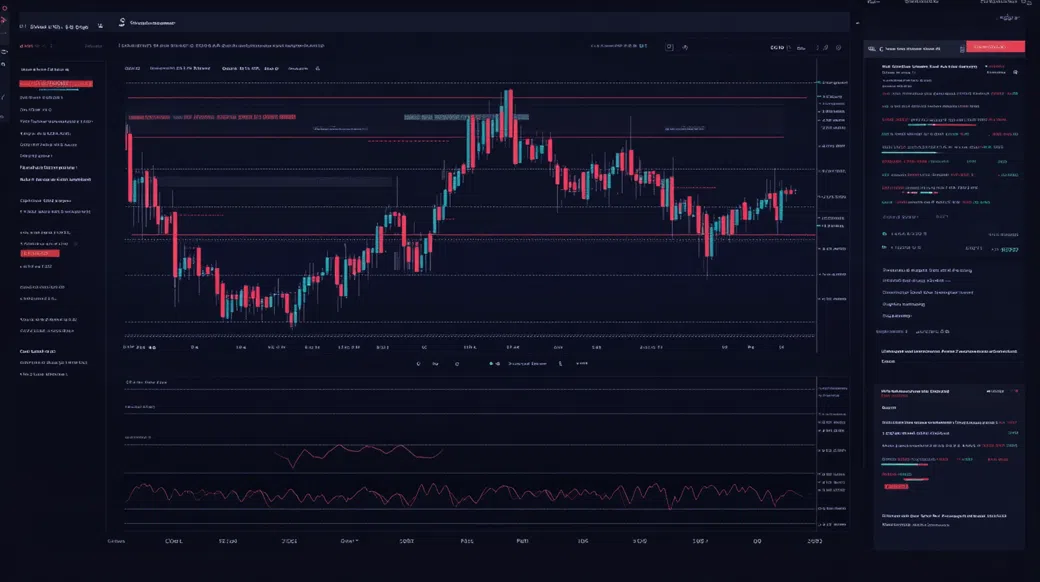
The proprietary WebTrader experience in this category is typically “good enough” for discretionary trading: multi-timeframe charts, a standard indicator set, watchlists, and one-click trading. Expect basic-to-mid charting depth (common indicators, drawing tools, and template saving), with order types centered on market/limit/stop and simple stop-loss/take-profit. Execution can feel fast in calm conditions, but speed alone isn’t the point—what matters is how fills behave when liquidity thins. Mobile apps usually mirror the web layout for monitoring and position management, and the account dashboard emphasizes margin, equity, and open P&L rather than granular execution analytics.
Trading Fees, Spreads, and Account Types at Noble Mercaholm
Cost disclosure is where offshore CFD venues often become hard to benchmark. A reasonable working expectation for a Standard-style account in this segment is EUR/USD spreads around 2.0 pips, with higher effective costs during volatile sessions. Some brokers in the same lane advertise “Raw/ECN-style” pricing; if offered, it often means very low displayed spreads (roughly 0.0–0.4 pips) plus a commission in the neighborhood of $5–$8 per round turn. Add swaps/overnight financing for positions held past rollover, and watch for operational fees—withdrawal charges and inactivity policies are common pain points among competitors to Noble Mercaholm.
When Do Traders Start Looking for Noble Mercaholm Alternatives?
A broker relationship gets stress-tested at the worst possible moment: when you’re trying to exit risk, not enter it. That’s why the most pragmatic Noble Mercaholm alternatives are the ones that reduce operational uncertainty—clear regulator oversight, consistent execution reporting, and predictable withdrawal processes. If your strategy depends on repeatability, the platform is only half the system; the other half is whether your fills and cash movements are explainable after the fact. Leverage up to 1:500 can magnify small pricing differences into real money, and it can also turn a brief platform disruption into a margin call.
- You need MT4/MT5 or cTrader for automation, VPS workflows, or an execution log you can audit, and your current WebTrader tooling can’t support it.
- Your trading journal shows “mystery drag” from swaps/overnight fees that don’t match your holding period assumptions.
- Withdrawals require repeated documentation or take longer than your risk plan allows, creating liquidity stress.
- You want investor-protection mechanics (segregated funds, negative balance protection rules, formal complaint channels) that are easier to verify under tier-1 regulators.
How to Choose a Reliable Alternative to the Noble Mercaholm Trading Platform
Think of broker selection as a data pipeline: inputs (prices, margin rules, fees), processing (execution model), and outputs (fills, statements, withdrawals). The goal is not perfection; it’s fewer black boxes. Alternatives to the Noble Mercaholm trading platform should be scored on what you can verify: regulator registration, product scope, and a cost model you can reproduce in a spreadsheet after a month of trading.
Regulation, Safety, and Investor Protection
Start with the regulator’s public register, not a logo on a landing page. FCA, ASIC, CySEC, and NFA/CFTC regimes have different rules, but they all create a paper trail: licensing status, permissions, and complaint pathways. In the UK, eligible clients may have FSCS coverage up to £85,000; in Cyprus, the ICF can cover up to €20,000 for eligible retail clients. Segregated client funds matter because they separate client money from the broker’s operating cash—an unglamorous detail that becomes critical when something breaks.
Available Markets and Instruments
Your required markets should dictate the shortlist. FX and index CFDs can be fine for short-term macro views, but long-horizon portfolios often need real stocks/ETFs, options, or futures. Multi-asset brokers can provide direct market access (DMA) for equities, while many CFD-first venues only offer synthetic exposure on shares. If you trade around earnings, dividends, or corporate actions, “stocks via CFD” is a different instrument with different risks and no shareholder rights.
Trading Costs: Spreads, Commissions, and Other Fees
Headlines like “from 0.0 pips” are marketing; round-turn cost is math. For active FX traders, add spread + commission for entry and exit, then layer in swap/overnight fees for your average holding time. Non-trading costs can dominate in quiet months: inactivity policies, withdrawal fees, and currency conversion spreads. If you can’t reconcile your statement to an expected cost model, treat that as a signal—not an annoyance.
Platforms, Tools, and Execution Quality
Platform choice changes what you can measure. MT4/MT5 and cTrader ecosystems support EAs, detailed logs, and third-party analytics; proprietary WebTrader stacks can be smoother but harder to audit. Execution model matters: market maker vs STP/ECN/DMA affects how orders are filled and where slippage shows up. If you’re coming from Noble Mercaholm, prioritize brokers that publish clear order execution policies and provide post-trade reports you can interrogate.
Support, Education, and Overall User Experience
Support quality shows up in edge cases: chargebacks, document reviews, corporate actions, and platform incidents. Look for 24/5 coverage for FX, multilingual help if you’re trading cross-border, and response times that match your risk horizon. Education is not a substitute for regulation, but good brokers provide structured material on margin calls, negative balance protection, and product-specific risks. Mobile parity matters too—if you manage risk on the go, the app must handle order edits and alerts reliably.
Noble Mercaholm and Different Asset Classes: When Alternatives May Be Better
Noble Mercaholm Forex and CFD Trading
FX and CFDs are where Noble Mercaholm-like venues typically concentrate: roughly 30–50 forex pairs, 8–15 indices, and 5–10 commodities, with leverage that can reach 1:500. The trade-off is often cost transparency and execution evidence. A 2.0 pip EUR/USD spread on a Standard-style account may not sound dramatic, but for a high-frequency or scalping approach it can be the difference between a strategy that breathes and one that suffocates—especially once slippage and rollover are included. Regulated FX/CFD specialists such as Pepperstone or OANDA are frequently chosen by systematic traders because they pair established oversight with platform choice (MT4/MT5/cTrader or strong proprietary tooling) and more explicit pricing schedules. In fast markets, your real opponent isn’t the spread—it’s the combination of spread widening, partial fills, and latency spikes.
Noble Mercaholm Stock and ETF Trading
If your plan includes building positions in companies or diversified ETFs, verify what “stock trading” actually means. Many offshore CFD brokers offer shares only as CFDs—price exposure without ownership, no voting rights, and different handling of dividends and corporate actions. That can be acceptable for short-term hedges, but it’s not the same as holding the underlying asset. Regulated multi-asset firms like Interactive Brokers and Saxo are designed for investors who need real equity/ETF access alongside derivatives, with broader product sets that can include options, futures, and bonds. For a data-driven trader, the difference is clean: exchange-traded holdings produce clearer statements, cleaner tax documentation, and fewer synthetic adjustments that can blur performance attribution.
Noble Mercaholm Crypto Trading
Crypto exposure is another place where wording hides structure. Offshore CFD venues commonly offer crypto CFDs (often 10–30 coins), which track price but do not give you on-chain custody; you can’t withdraw BTC to a wallet because you never held BTC. For traders who simply want directional exposure with margin, a regulated CFD provider like IG can be a more accountable route in supported regions. If you’re the type who verifies flows—watching stablecoin issuance, exchange reserves, or wallet clusters—then “paper crypto” can feel disconnected from the underlying network. In that case, separate your needs: use a regulated broker for FX/indices risk and a compliant crypto venue for spot custody (where legally available). Don’t confuse a CFD ticket with blockchain ownership; they settle in very different worlds.
Best Noble Mercaholm Alternatives for 2026: Comparison of Top Trading Platforms
Interactive Brokers (IBKR): Key Facts and How It Compares to Noble Mercaholm
Regulation: SEC/FINRA (US), FCA (UK), IIROC (Canada).
Markets: Stocks, ETFs, options, futures, FX, bonds, funds (availability varies by region/account type).
Fees: FX spreads commonly competitive on major pairs; commissions depend on product/venue (transparent tiered or fixed schedules).
Platform: Trader Workstation (TWS), IBKR Desktop, web platform, mobile apps; API access for automation.
Best For: Data-driven multi-asset traders who need real markets and APIs.
Pepperstone: Key Facts and How It Compares to Noble Mercaholm
Regulation: FCA (UK), ASIC (Australia), CySEC (Cyprus), DFSA (Dubai).
Markets: FX and CFDs (indices, commodities, some shares as CFDs depending on entity/region).
Fees: EUR/USD often ~0.0–0.3 pips plus commission on Razor/Raw-style accounts; Standard accounts typically higher all-in spread.
Platform: MT4, MT5, cTrader, TradingView integration (where offered), mobile apps.
Best For: Cost-sensitive FX traders running EAs and short-horizon systems.
Saxo Bank: Key Facts and How It Compares to Noble Mercaholm
Regulation: FCA (UK), MAS (Singapore), DFSA (Dubai).
Markets: Stocks, ETFs, FX, options, futures, bonds, funds; CFDs in supported regions.
Fees: Pricing varies by tier and product; FX spreads are typically competitive on liquid pairs, with clear commission schedules on exchange-traded products.
Platform: SaxoTraderGO, SaxoTraderPRO, mobile apps.
Best For: Portfolio builders who want one account for FX plus listed products.
OANDA: Key Facts and How It Compares to Noble Mercaholm
Regulation: CFTC/NFA (US), FCA (UK), ASIC (Australia), IIROC (Canada).
Markets: FX (core), CFDs in certain regions (indices/commodities depending on entity).
Fees: Typically spread-based pricing; major-pair spreads often around ~0.6–1.2 pips in normal conditions (varies by region/account).
Platform: OANDA Trade (web/mobile), MT4 (availability varies), APIs for data/execution.
Best For: US-eligible FX traders prioritizing regulatory clarity.
IG: Key Facts and How It Compares to Noble Mercaholm
Regulation: FCA (UK), ASIC (Australia), MAS (Singapore).
Markets: CFDs and spread betting (UK), FX, indices, commodities, shares as CFDs; some regions offer broader investing features.
Fees: Generally spread-based; major FX spreads often competitive (commonly ~0.6+ pips on EUR/USD in normal liquidity).
Platform: IG web platform, mobile apps; MT4 supported in many regions.
Best For: Macro CFD traders who want deep index/sector coverage.
CMC Markets: Key Facts and How It Compares to Noble Mercaholm
Regulation: FCA (UK), ASIC (Australia), BaFin (Germany).
Markets: CFDs across FX, indices, commodities, shares as CFDs; product scope depends on region.
Fees: FX spreads can be tight on majors (often ~0.7+ pips on EUR/USD); additional costs may include guaranteed stop premiums where used.
Platform: Next Generation platform (web/mobile); MT4 in certain regions.
Best For: Chart-first discretionary traders who want robust web tooling.
Comparison Summary
| Platform | Regulation | Main Markets | Typical Costs | Best For |
|---|---|---|---|---|
| Interactive Brokers (IBKR) | SEC/FINRA, FCA, IIROC | Real stocks/ETFs, options, futures, FX, bonds | Transparent commissions; competitive FX pricing on majors | Data-driven multi-asset traders who need real markets and APIs |
| Pepperstone | FCA, ASIC, CySEC, DFSA | FX + CFDs (indices/commodities; shares as CFDs) | Raw: ~0.0–0.3 pips + commission; Standard: higher spread | Cost-sensitive FX traders running EAs and short-horizon systems |
| Saxo Bank | FCA, MAS, DFSA | Stocks/ETFs, options, futures, FX, bonds | Tiered pricing; clear exchange commissions; competitive FX spreads | Portfolio builders who want one account for FX plus listed products |
| OANDA | CFTC/NFA, FCA, ASIC, IIROC | FX (core); CFDs in some regions | Mostly spread-based; majors often ~0.6–1.2 pips (varies) | US-eligible FX traders prioritizing regulatory clarity |
| IG | FCA, ASIC, MAS | CFDs/spread betting (UK), FX, indices, shares as CFDs | Spread-based; EUR/USD often ~0.6+ pips in normal liquidity | Macro CFD traders who want deep index/sector coverage |
| CMC Markets | FCA, ASIC, BaFin | CFDs (FX, indices, commodities, shares as CFDs) | Spreads often ~0.7+ pips on EUR/USD; GSLO premium if used | Chart-first discretionary traders who want robust web tooling |
How to Safely Move from Noble Mercaholm to Another Broker
Switching brokers is less like “changing apps” and more like changing counterparties. Treat the sequence as operational risk management: confirm oversight, confirm funding rails, then move exposure and cash in a controlled way. If you’re leaving Noble Mercaholm, avoid doing it mid-volatility—forced liquidations and withdrawal delays are a bad combo, especially when you’ve been using high leverage.
- Confirm the new broker’s authorization on the regulator’s own database (FCA Register, ASIC Connect, CySEC register, or NFA BASIC), matching the legal entity name—not just the brand.
- Create the new account and complete KYC/AML (ID + proof of address) before you reduce activity at the old broker; this prevents a “cash in limbo” gap.
- Audit your current exposure: close open CFD positions or replicate them as fresh trades on the new platform, since position transfers between brokers are typically not supported.
- Export statements, confirmations, and a full trade history for tax and reconciliation; keep copies of any fee schedules you agreed to.
- Withdraw using the original deposit method where possible, because many brokers enforce source-of-funds rules; document reference numbers and timestamps for any escalations.
Ready to Explore Noble Mercaholm?
If you’re still evaluating fit, review the current onboarding flow, regional restrictions, and the platform stack before committing capital. Compare the conditions you can measure—execution reports, fee disclosures, and withdrawal rules—against the regulated options above so you’re choosing based on evidence, not vibes.
Visit Noble MercaholmFAQ: Noble Mercaholm Alternatives and Trading Platforms
What is the best alternative to Noble Mercaholm in 2026?
The best alternative depends on whether you need real listed markets or mainly FX/CFDs. For multi-asset access (real stocks/ETFs, options, futures), Interactive Brokers or Saxo are strong Noble Mercaholm alternatives for 2026. For FX-focused trading with MT4/MT5/cTrader and tighter all-in pricing models, Pepperstone and OANDA are often better substitutes for Noble Mercaholm than an offshore WebTrader setup.
Is Noble Mercaholm a safe broker/platform?
Noble Mercaholm appears consistent with an offshore/unregulated profile for this broker category (commonly associated with frameworks like Seychelles FSA), which generally offers weaker investor-protection tooling than FCA/ASIC/CySEC/NFA regimes. Safety isn’t only about cybersecurity; it’s also about segregated client funds, dispute resolution, and enforcement leverage. If those protections are a priority, regulated options vs Noble Mercaholm are easier to validate on public registers and through formal complaint channels.
Can I trade stocks, futures, or crypto with Noble Mercaholm?
Most brokers similar to Noble Mercaholm concentrate on forex and CFDs, and “stocks” are frequently offered as share CFDs rather than real equities. Futures access is typically a feature of multi-asset brokers like Interactive Brokers or Saxo, not a standard offshore CFD menu. Crypto is often available as crypto CFDs (price exposure without on-chain ownership), which is a different risk profile than holding coins in a wallet.
What should I check before switching from Noble Mercaholm to another platform?
Before switching, verify the new broker’s legal entity and permissions on the regulator’s register, then map your strategy to the product set (real stocks vs CFDs, MT4/MT5/cTrader vs proprietary). Confirm the full fee surface area: spread, commission, swap/overnight financing, and withdrawal/currency conversion costs. Finally, run a small test deposit and a few trades to observe slippage and margin-call behavior before moving your full balance—this is where many Noble Mercaholm alternatives separate into “auditable” versus “opaque.”
About the Author: Alice Wu is a data scientist and market analyst who evaluates trading risk through transaction trails, execution artifacts, and the incentives embedded in market structure. Her work focuses on translating broker mechanics—fees, slippage, margin rules, and custody—into measurable outcomes traders can verify. The market lies; data does not.