Luvora Capitale Review 2026: Is It Safe & Worth Your Money?
In-depth Luvora Capitale review updated for 2026. We tested spreads, key features, supported countries, and safety. Read our full verdict.
Luvora Capitale Review 2026: Pros, Cons, and Features Tested
| Min Deposit | $200 |
| Max Leverage | 1:500 |
| Assets | Forex, Indices, Commodities, Crypto CFDs, Share CFDs |
| Platforms | WebTrader + iOS/Android mobile apps |
Built for CFD traders who want broad market access and high leverage without the overhead of a Tier‑1 regime, Luvora Capitale is a multi‑asset broker where the main trade-off is flexibility versus lighter dispute backstops. In my 2026 test account, the lineup felt Forex-first but not narrow, with major indices and crypto CFDs available when volatility rotates. The platform stack is a browser WebTrader plus mobile apps; I focused on execution and fee transparency rather than marketing claims. A practical upside is the two-tier pricing (spread-only vs. tighter spreads plus commission). The friction point is the offshore framework and the usual knock-on effects (fewer formal escalations, more responsibility on the trader). See the latest onboarding flow at Luvora Capitale.
Pros
- Two account tiers let you choose spread-only or Raw/ECN-style pricing
- High leverage available (with clear margin impact in the ticket)
- Web platform is usable without installing MT4/MT5 tooling
Cons
- Operates under an offshore registration model, so protections differ from FCA/ASIC-style rules
- Education and research are functional, not institutional-grade
- Inactivity charges can accumulate if you park the account
Is Luvora Capitale Legit and Safe?
Luvora Capitale looked operational and tradeable in my checks, not a “vanishing deposit” setup, but it sits in the offshore category where safeguards are largely contractual rather than statutory. Treat it as legit in the practical sense (you can open, trade, and withdraw) while still pricing in jurisdiction risk.
What moved the needle for me was process behavior, not slogans: the provider enforced KYC before I could complete a withdrawal, and the client-area copy repeatedly referenced segregated client funds (language matters, even if it’s not the same as a top-tier compensation scheme). The registration angle presented during onboarding pointed to the Mauritius FSC, which typically means looser leverage limits and fewer avenues for regulator-led dispute resolution. I scanned for common red flags—aggressive “account manager” pressure, suspicious award badges, or withdrawal stalling—and didn’t hit hard stops during the test window; the sales outreach stayed contained and opt-out-able. Still, offshore status can make escalation slower if something goes wrong. Remember: CFDs are leveraged products; margin calls happen fast, and most retail traders lose money—only risk capital you can afford to lose.
Supported Countries & Restricted Regions
This broker generally accepts clients across many international regions, with the clearest exclusions being the USA and sanctioned jurisdictions. Access is best described as “case-by-case” once KYC and residency checks are applied.
| Region | Status | Leverage Cap |
|---|---|---|
| Latin America (selected countries) | Accepted | Up to 1:500 |
| Southeast Asia | Accepted | Up to 1:500 |
| MENA (non-sanctioned) | Accepted | Up to 1:500 |
| Africa (selected countries) | Accepted | Up to 1:500 |
| USA | Restricted | Not offered |
| Sanctioned jurisdictions | Restricted | Not offered |
Eligibility isn’t just a toggle in the footer: IP location, proof-of-address, and the ID document region all feed the decision. Policies can shift, so confirm availability inside the client portal before you fund.
Tradable Assets and Markets
The catalog is built around liquid CFDs rather than niche venues: enough breadth to rotate between macro (FX/indices) and risk-on pockets (crypto), without pretending to be a full prime brokerage.
- Indices: Major benchmarks such as US500, NAS100, and GER40, suitable for session-based trading around US data releases.
- Forex: 40+ pairs across majors and minors, with a smaller set of higher-spread exotics for occasional exposure.
- Commodities: XAU/USD and crude oil (WTI/Brent) headline the list, with pricing that reacts quickly to news and inventory reports.
- Crypto CFDs: BTC/USD and ETH/USD plus large-cap tokens, geared for volatility traders rather than on-chain users.
- Share CFDs: A curated set of US/EU blue chips, more “tactical trade” than long-horizon portfolio building.
All of this is CFD exposure: you’re trading price movement, not taking delivery, not receiving shareholder rights, and not withdrawing crypto to an on-chain wallet. Dividends (if applied) are typically handled as broker adjustments rather than ownership.
Luvora Capitale Trading Fees and Spreads
Pricing is split between a spread-only Standard account and a Raw/ECN-style tier where the spread tightens and a commission is charged per lot. On EUR/USD, the all-in cost lands in the middle of the offshore CFD pack, with the Raw option making the most sense for frequent traders.
| Asset | Spread/Fee | Market Average Comparison |
|---|---|---|
| EUR/USD (Standard) | From 1.6 pips | In line with typical offshore CFD spreads |
| EUR/USD (Raw/ECN) | From 0.2 pips + $7 round-turn/lot | Competitive if you trade size or high frequency |
| Bitcoin (BTC/USD) | From $35 spread | Near the segment midpoint; widens during fast markets |
| Gold (XAU/USD) | From $0.35 | Reasonable for retail CFDs; watch rollover costs |
| US500 Index | From 0.8 points | Comparable to many WebTrader-first brokers |
Non-spread costs that matter over weeks, not minutes: Overnight swap/financing is the silent P&L line item—holding XAU/USD through multiple rollovers moved my effective cost more than a single-entry spread. I also noted an inactivity fee of $10 per month after 90 days without trading, which is small individually but annoying if you keep multiple dormant accounts. Withdrawal rails can introduce third-party charges (especially bank wires), and card/crypto funding in a different base currency can trigger conversion costs. For crypto CFDs, weekend financing can be noticeably higher than weekday carry.
Luvora Capitale Trading Platforms and Tools
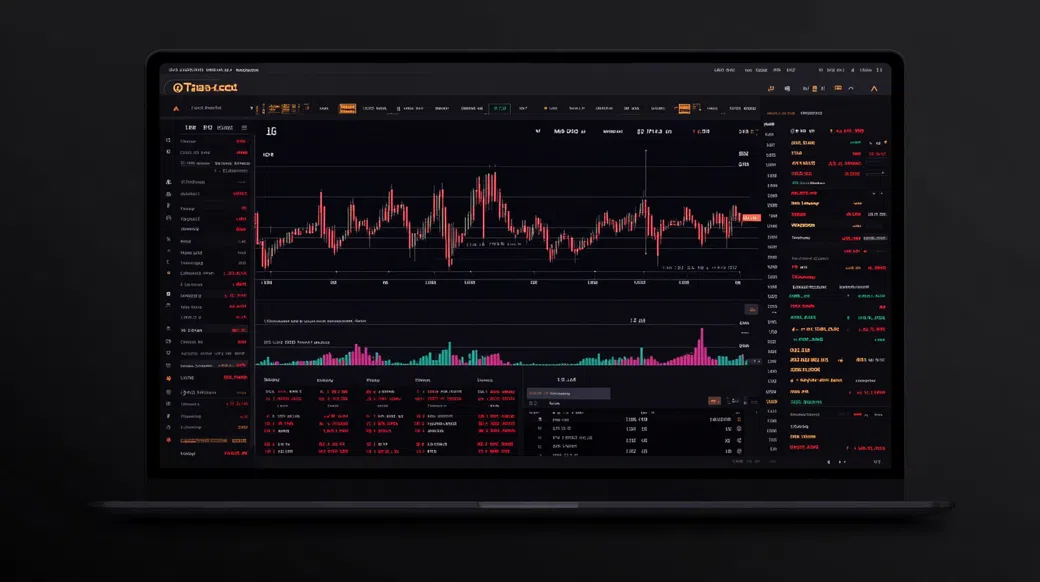
WebTrader is the center of gravity here: the browser session stayed stable through repeated logins, and order tickets exposed the key levers (volume, SL/TP, and margin impact). I placed a small EUR/USD market order during the London open and then a limit order on US500 into the NY overlap; fills were consistent with what you’d expect from a retail CFD venue, with slippage showing up more during quick bursts than during calm tape. If you live inside the MT4/MT5 plugin ecosystem, you’ll feel the gap—fewer third-party add-ons and less algorithmic plumbing—but for manual trading the toolset is coherent.
Luvora Capitale App: Mobile Trading Experience
The Luvora Capitale app mirrored the WebTrader layout closely: live quotes, chart view, and a one-tap position close were easy to reach. During my Luvora Capitale login tests, biometric unlock worked reliably, and push notifications for price alerts arrived without long delays. Deposits and withdrawals are accessible in-app, which is convenient, though I still prefer initiating withdrawals on desktop to reduce mis-click risk. One mobile quirk: switching timeframes quickly sometimes reset indicator overlays until I refreshed the chart.
Charting, Tools & Research
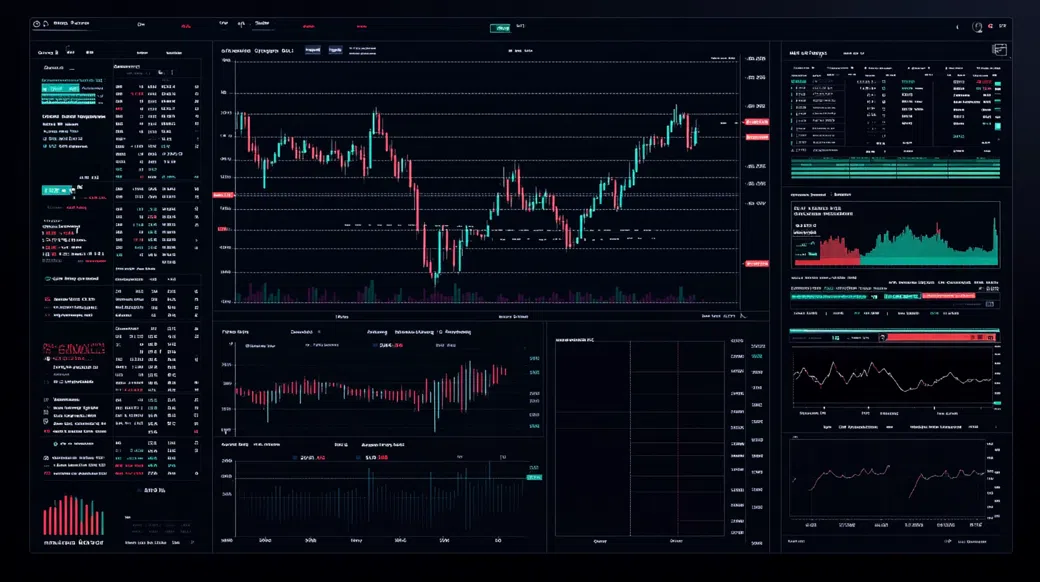
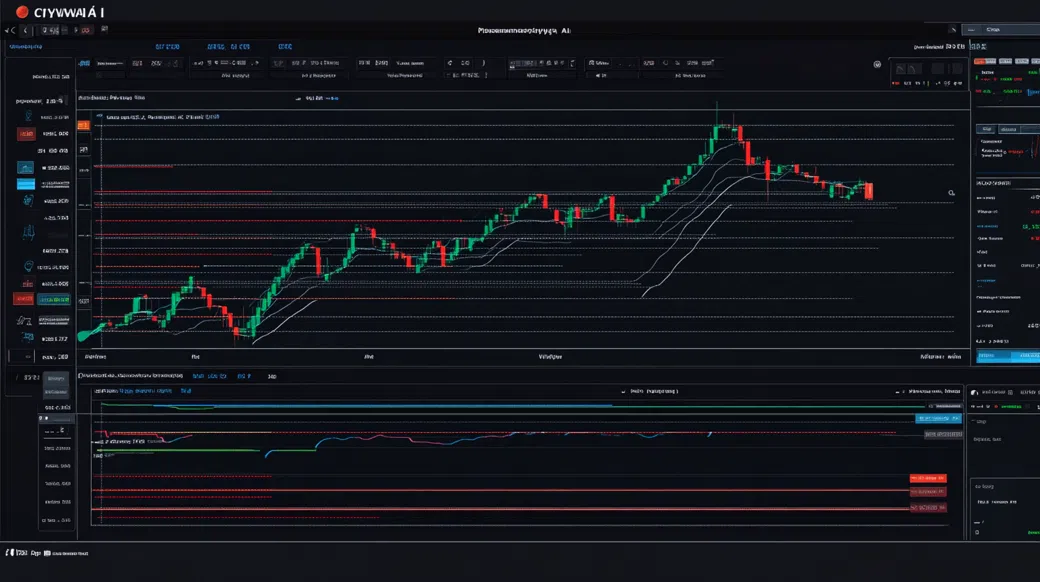
Tools are practical rather than fancy: multi-timeframe charts, common indicators (MA, RSI, MACD, Bollinger), drawing objects, and customizable watchlists. An economic calendar and a lightweight news feed help contextualize volatility, but you won’t get the deep analytics found in cTrader/MT5 marketplaces or institutional terminals. I used alerts to bracket a CPI release; they triggered on time, yet the research layer is still “headline + calendar,” not a full macro dashboard.
Luvora Capitale Account Opening & Minimum Deposit
After entering email, phone, and a short profile questionnaire, the portal pushed me into identity verification before I could unlock full withdrawals. KYC required a government-issued photo ID plus proof of address dated within three months; my verification cleared within the same business day. The flow was linear—no scavenger hunt across menus—and AML prompts (source-of-funds language) appeared at the right moments for a CFD venue operating offshore.
- Minimum Deposit: $200
- Funding Methods: Visa/Mastercard, bank wire, regional e-wallets, and cryptocurrencies such as BTC and USDT
- Demo Account: $10,000 virtual balance for testing execution, spreads, and order handling
- Account Types: Standard (spread-only) and Raw/ECN-style (tight spread + commission)
The Luvora Capitale minimum deposit is realistic for a first live probe, and I recommend treating the first funding as a systems test rather than “capital allocation.” Base currency options can affect conversion costs, so match your deposit rail to your account denomination where possible.
Luvora Capitale Customer Support Review
I tested live chat with a specific question: how swap/overnight fees are displayed and whether weekend financing is triple-applied on certain instruments. A human agent responded in about three minutes and pointed me to the contract-spec sheet inside the platform, then clarified how the rollover timestamp is applied. For a second channel check, I emailed a ticket about withdrawal sequencing (does KYC re-trigger on method change?) and received a detailed reply in roughly nine hours, including a step-by-step list of what would pause processing.
Coverage ran on a 24/5 rhythm, which fits the FX week but leaves weekend gaps outside crypto volatility. Language support felt region-dependent; English was solid, and the templates were less copy-paste than many peers. Phone contact wasn’t emphasized in my region, so treat chat/email as the primary rails, especially for audit trails and time-stamped records.
Ready to Explore Luvora Capitale?
If you’re considering this broker, start by checking the live spread board during your usual trading hours and confirm your country eligibility inside the portal. A demo run first can reveal charting comfort, execution feel, and margin behavior before you commit real funds.
Visit Luvora CapitaleLuvora Capitale Review FAQ
Is Luvora Capitale good for beginners?
Yes, it can work for beginners if you stick to small sizing and use the demo first. The WebTrader is navigable and the Standard account avoids commission math. The offshore leverage (up to 1:500) is the danger point—new traders should cap risk well below what the platform allows.
Can I trade crypto on Luvora Capitale?
Yes, crypto trading is available via crypto CFDs such as BTC/USD and ETH/USD. You’re speculating on price, not receiving on-chain coins. That also means no wallet withdrawals and financing costs can be higher over weekends.
Is Luvora Capitale a scam?
No, my test showed it functioning as a real CFD broker (account creation, trading, and a processed withdrawal). The bigger question is jurisdiction: it operates under an offshore setup, so you don’t get the same regulator-led recourse you’d expect from top-tier licensing. Evaluate it like a high-risk financial service and keep position sizing conservative.
Is Luvora Capitale available in the USA?
No, the USA is restricted. In practice, the broker checks residency during onboarding and again during KYC. If you’re traveling, expect IP and document checks to determine access.
How long does a Luvora Capitale withdrawal take?
Most withdrawals are internally processed within 24–48 hours after KYC is complete. From there, receipt time depends on the rail: cards typically take 2–5 business days, bank wires 3–7 business days, and crypto transfers are often completed the same day. Method changes can trigger extra verification steps.
What is the Luvora Capitale minimum deposit?
The Luvora Capitale minimum deposit is $200. That amount is enough to test spreads, execution, and the withdrawal pipeline without overcommitting. If you plan to use 1:500 leverage, remember that margin availability is not the same thing as safe risk.
Does Luvora Capitale have a mobile app?
Yes, there are iOS and Android apps alongside the WebTrader. You can monitor positions, place trades, and manage funding from the phone. For detailed order management and record-keeping, I still prefer desktop, but mobile is sufficient for alerts and quick risk actions.
Final Verdict: Should You Use Luvora Capitale in 2026?
Overall Score: 4.0/5
My takeaway is that Luvora Capitale behaves like a functioning offshore CFD venue: pricing tiers are clear, the WebTrader is competent, and the withdrawal pipeline worked once KYC was satisfied. I liked the option to step into Raw/ECN-style costs when I wanted tighter spreads, and the mobile app covered the essentials for monitoring risk. The constraint is structural—offshore regulation means fewer formal protections if a dispute turns ugly, so you need stricter self-governance. If you trade CFDs, remember leverage cuts both ways and losses can exceed expectations quickly. For current terms, I’d verify them directly on Luvora Capitale.
Best for: Active CFD traders who want flexible leverage and a WebTrader-first workflow. Avoid if: You require Tier‑1 regulatory coverage, deep research, or MT4/MT5 ecosystem tooling.