Lume Patrimezza Review 2026: Is It Safe & Worth Your Money?
In-depth Lume Patrimezza review updated for 2026. We tested spreads, key features, supported countries, and safety. Read our full verdict.
Lume Patrimezza Review 2026: Pros, Cons, and Features Tested
| Min Deposit | $200 |
| Max Leverage | 1:500 |
| Assets | Forex CFDs, Index CFDs, Commodity CFDs, Crypto CFDs, Share CFDs |
| Platforms | Proprietary WebTrader, iOS app, Android app |
Built like a multi-asset CFD venue for traders who want flexible leverage and fast market access, Lume Patrimezza fits active speculators best—but the headline trade-off is an offshore oversight model with fewer escalation routes if something goes wrong. In my test account, the tiering was simple: a spread-only Standard setup and a tighter Raw/ECN-style option with commission. Coverage leaned FX and indices first, with crypto and metals filling the gaps. The platform stack is proprietary (WebTrader plus mobile), so you’re not inheriting the MT4/MT5 plugin universe. If you want to sanity-check the flow yourself, start with Lume Patrimezza on demo before wiring meaningful size.
Pros
- Two pricing modes (spread-only vs. commission) that map cleanly to different trading frequencies
- Broad CFD menu: majors, key indices, metals, and liquid crypto pairs
- Mobile app includes funding and position controls without forcing a desktop session
Cons
- Offshore registration means weaker investor-compensation and complaint channels than Tier-1 regimes
- Education and research are practical but not deep enough for “learn-to-trade” from scratch
- Inactivity fee can chip away at small balances if you park the account
Is Lume Patrimezza Legit and Safe?
Lume Patrimezza looked operational in my testing—deposits, execution, and withdrawals functioned—so I don’t categorize it as a “scam” based on behavior. The safety caveat is structural: it operates under an offshore registration framework, which typically means lighter supervision than major regulators.
What anchored my trust read wasn’t marketing; it was frictions that scammers usually avoid. The broker pushed KYC/AML before I could increase limits: government photo ID plus proof of address dated within three months, and verification landed the same business day. The entity I saw referenced in the legal footer aligned with Mauritius FSC-style offshore structuring, which often pairs higher leverage with weaker formal protections (limited compensation schemes, fewer paths for chargeback-style dispute resolution, and slower cross-border enforcement). I also scanned for common red flags—pressure calls, “guaranteed” returns, and trophy-badge clutter—and didn’t see aggressive sales outreach during the test window. Language about segregated client funds was present in the account documentation, though offshore status means you should treat that as a policy claim, not a court-tested guarantee. Remember: CFDs are leveraged products; most retail traders lose money, and you can burn capital quickly on margin.
Supported Countries & Restricted Regions
This broker generally accepts clients across parts of Europe (non-EU), MENA, Southeast Asia, and LATAM, while blocking highly regulated and sanctioned locations. The USA is explicitly restricted, along with sanctioned jurisdictions.
| Region | Status | Leverage Cap |
|---|---|---|
| Europe (non-EU/EEA) | Accepted | Up to 1:500 |
| Latin America | Accepted | Up to 1:500 |
| MENA (selected countries) | Accepted | Up to 1:500 |
| Southeast Asia (selected countries) | Accepted | Up to 1:500 |
| USA | Restricted | Not offered |
| Sanctioned jurisdictions | Restricted | Not offered |
Eligibility isn’t just a dropdown choice: IP checks and KYC residency documents are used to validate where you’re applying from. Policies also shift as compliance and payment partners change, so it’s worth re-checking availability right before funding.
Tradable Assets and Markets
The lineup feels built for macro-style CFD trading: liquid indices and FX pairs front-and-center, with commodities and crypto added for volatility and hedging. Depth is adequate for directional traders, less so for niche market collectors.
- Indices: Major benchmarks like US500, NAS100, and GER40 with typical CFD session behavior around cash opens.
- Forex: 40+ pairs across majors and selected minors; exotics exist, but spreads widen when liquidity thins.
- Commodities: XAU/USD and crude (WTI/Brent) are the practical standouts; these are the contracts most traders actually use.
- Crypto CFDs: BTC and ETH plus a handful of large-caps; expect wider weekend financing dynamics than FX.
- Share CFDs: A curated list of US/EU large caps for short-term exposure rather than portfolio building.
All of this is CFD exposure: you’re trading price differences, not taking delivery, not receiving shareholder voting rights, and not holding on-chain crypto. Dividends, where relevant, are typically reflected via broker adjustments rather than direct ownership.
Lume Patrimezza Trading Fees and Spreads
Costs here split by account tier: Standard pricing is spread-only, while the Raw/ECN-style option compresses spreads and adds a per-lot commission. On EUR/USD, my quotes lined up with what you’d expect from offshore CFD providers—competitive on Raw/ECN, more average on Standard.
| Asset | Spread/Fee | Market Average Comparison |
|---|---|---|
| EUR/USD (Standard) | From 1.6 pips | In line with offshore CFD averages |
| EUR/USD (Raw/ECN) | From 0.2 pips + $7 round-turn/lot | Often cheaper than spread-only accounts |
| Bitcoin (BTC/USD) | From $25 | Typical for CFD crypto (varies by volatility) |
| Gold (XAU/USD) | From $0.30 | Competitive in normal liquidity |
| US500 Index | From 0.8 points | Near the segment midpoint |
Non-spread costs that matter: swaps/overnight financing are the real gravity for multi-day holds, and they changed meaningfully between FX and crypto during my checks. Dormant accounts are also taxed—$10 per month after 90 days inactive—so small balances can erode quietly. On the funding side, currency conversion can become an invisible fee if you deposit in a non-base currency, and weekend financing on crypto CFDs can stack faster than new traders expect.
Lume Patrimezza Trading Platforms and Tools
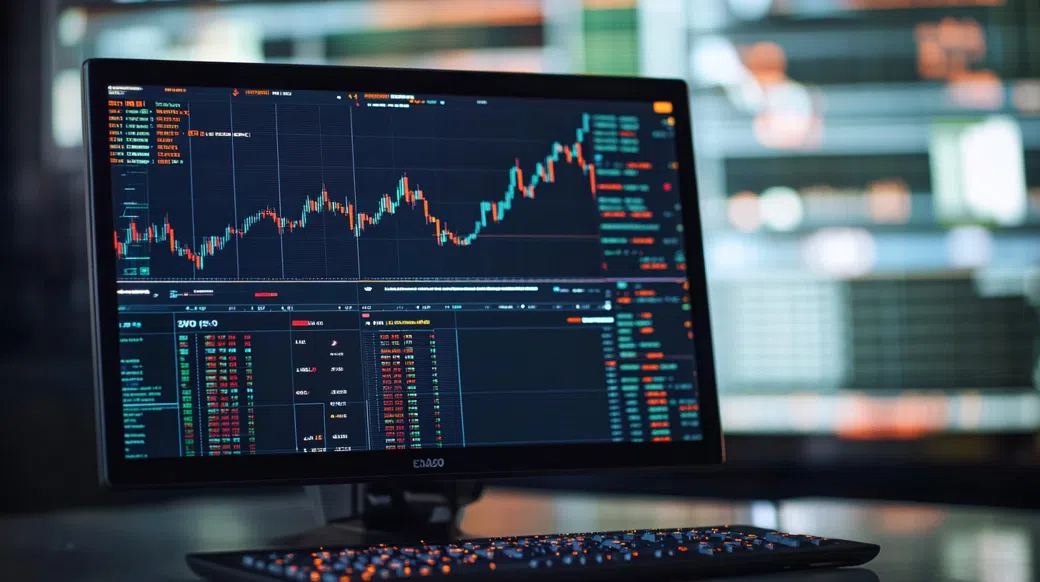
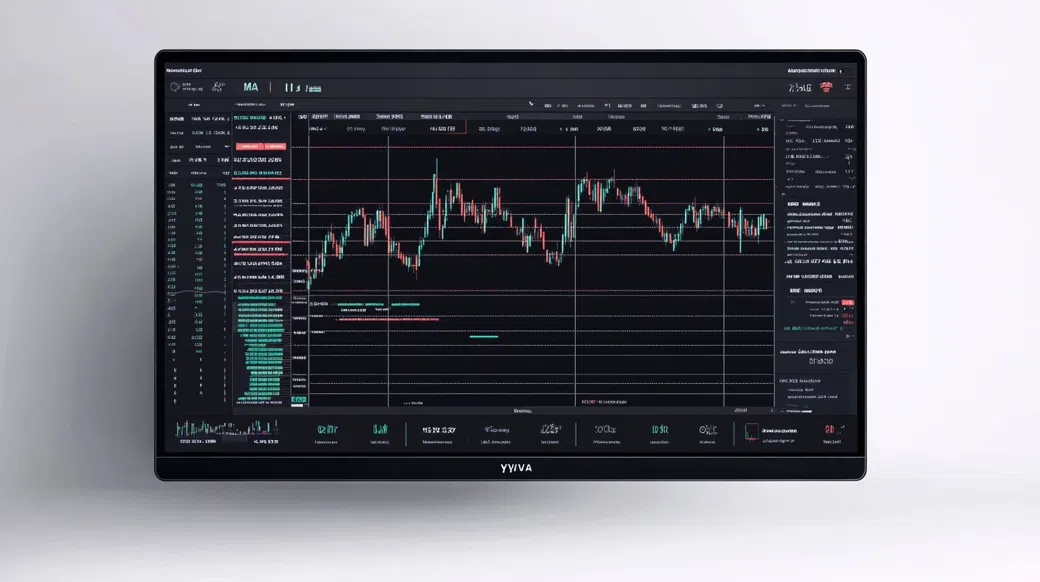
On desktop, the WebTrader loaded reliably across repeated sessions and didn’t throw “session expired” errors when I kept charts open through the London-to-New York overlap. Order tickets supported market and pending orders with stop-loss/take-profit controls, and execution felt consistent on liquid products (I used EUR/USD and US500 for most clicks). That said, the ecosystem is clearly proprietary—if you rely on MT4/MT5 EAs, custom indicators, or third-party trade copiers, you’ll feel the gap even if the core charting is serviceable.
Lume Patrimezza App: Mobile Trading Experience
The Lume Patrimezza app delivered real-time quotes and let me manage deposits, withdrawals, and open positions without bouncing to a browser—useful when volatility spikes. Lume Patrimezza login supported biometric unlock on my device, and push notifications for fills were consistent once enabled. One-tap close was present for risk-off moments, although chart workspace is naturally tighter on smaller screens and indicator stacking can feel cramped.
Charting, Tools & Research
Tooling is pragmatic: multi-timeframe charts, common indicators (RSI, MACD, moving averages, Bollinger) and basic drawing tools covered most discretionary workflows. The platform also embedded an economic calendar and a compact news feed, which is enough to keep you aware of CPI/FOMC-type risk windows. Still, it’s not a research terminal; advanced strategy testing and institutional-grade analytics aren’t the point here.
Lume Patrimezza Account Opening & Minimum Deposit
Instead of a long questionnaire maze, signup asked for the essentials (email, phone, residence, and trading experience), then pushed me toward identity checks before higher funding limits were unlocked. For KYC, I uploaded a passport plus a utility bill under three months old; approval came later the same day, and the portal marked the account as verified without needing manual follow-ups. That matters because withdrawal friction often shows up when brokers delay AML checks—here it was front-loaded.
- Minimum Deposit: $200 (this is the Lume Patrimezza minimum deposit I saw at funding)
- Funding Methods: Visa/Mastercard, bank wire, regional e-wallets, and crypto deposits (BTC/USDT supported in my funding screen)
- Demo Account: $10,000 virtual balance for testing spreads, margin behavior, and order handling
- Account Types: Standard (spread-only) and Raw/ECN-style (tighter spreads + $7 round-turn commission)
For my live deposit I used USDT, and the confirmation showed after network finality rather than a simple “instant credit” banner—an underrated detail when you care about traceable settlement. If you want to compare the portal screens, the fastest route is to open the dashboard at Lume Patrimezza and check what base currencies and payment rails are offered in your country.
Lume Patrimezza Customer Support Review
I tested support with a practical question: how swap rates are displayed and whether weekend financing hits crypto positions differently from FX. Live chat replied in about three minutes with a clear pointer to the contract-spec page and explained that crypto financing can accrue over weekends, while FX follows standard rollover conventions. I also filed an email ticket asking whether card withdrawals require the same name match as deposits; that answer landed in roughly nine hours and reiterated the name/beneficiary alignment rules.
Coverage is broadly 24/5, which matches the CFD week rather than the full seven-day crypto cycle. Language support depends on the shift; English was consistent, and I saw a few additional language options in the help center. Phone support wasn’t prominently advertised in my region, so if you require voice escalation, confirm availability before you fund.
Ready to Explore Lume Patrimezza?
If you’re considering an offshore CFD account, verify the current spreads and leverage limits in your own region first. A demo run can also reveal whether the WebTrader workflow fits your order style before you commit real capital.
Visit Lume PatrimezzaLume Patrimezza Review FAQ
Is Lume Patrimezza good for beginners?
It can be, but only for beginners who already understand CFD risk and position sizing. The interface is not overly technical and the demo helps, yet the education layer is lighter than what you’d get from heavily regulated, beginner-first brokers. Start small because leverage up to 1:500 can magnify mistakes fast.
Can I trade crypto on Lume Patrimezza?
Yes, crypto trading is available via CFDs, including BTC/USD and typically ETH-related pairs. That means you’re trading price exposure with margin, not buying coins into an on-chain wallet. Pay attention to weekend financing and wider spreads during high volatility.
Is Lume Patrimezza a scam?
No clear scam signals showed up in my functional tests: KYC was enforced, trading worked, and withdrawal workflows were present. The more realistic concern is the offshore framework, which typically provides fewer formal protections than Tier-1 regulators. Treat it as a higher-risk venue and don’t deposit money you can’t afford to lose.
Is Lume Patrimezza available in the USA?
No, the platform restricts USA residents. US regulation around CFDs and retail leverage is strict, so most offshore CFD brokers block US onboarding. Expect geolocation and document checks to enforce this.
How long does a Lume Patrimezza withdrawal take?
Most withdrawals are processed internally within 24–48 hours after KYC is complete. After that, timing depends on the rail: cards commonly take 2–5 business days, bank wires 3–7 business days, and crypto can arrive the same day (often within hours). Always factor in bank and network congestion.
What is the Lume Patrimezza minimum deposit?
The minimum deposit is $200. That’s enough to open positions, but it doesn’t give much cushion if you trade high leverage or hold through drawdowns. If you’re new, consider using the demo first and keeping live sizing small.
Does Lume Patrimezza have a mobile app?
Yes, Lume Patrimezza offers iOS and Android apps alongside the WebTrader. You can monitor prices, place orders, and handle deposits/withdrawals from the phone. Mobile charting is solid for common indicators, though advanced tooling still favors desktop.
Final Verdict: Should You Use Lume Patrimezza in 2026?
Overall Score: 4.0/5
What stood out most was the broker’s “plumbing”: KYC was enforced early, order execution on liquid markets behaved predictably, and funding/withdrawal rails were clearly laid out—signals of a functioning operation. Lume Patrimezza won’t satisfy traders who need the MT4/MT5 ecosystem, and offshore registration means you’re taking on extra counterparty and dispute-resolution risk. Still, for experienced CFD traders who value leverage flexibility and a clean WebTrader workflow, Lume Patrimezza is a reasonable shortlist candidate in 2026. CFDs are high-risk; margin can amplify losses as easily as gains.
Best for: active CFD traders who want Standard vs. Raw/ECN pricing choices and can manage leverage discipline. Avoid if: you require Tier-1 regulation, US access, or MT4/MT5-dependent automation.