KapitexAI Review 2026: Is It Safe & Worth Your Money?
In-depth KapitexAI review updated for 2026. We tested spreads, key features, supported countries, and safety. Read our full verdict.
KapitexAI Review 2026: Pros, Cons, and Features Tested
| Min Deposit | $200 |
| Max Leverage | 1:500 |
| Assets | Forex, Indices, Commodities, Crypto CFDs, Share CFDs |
| Platforms | Proprietary WebTrader, iOS/Android mobile app |
Built like a typical multi-asset CFD venue, KapitexAI fits traders who want fast exposure to majors, indices, and crypto price moves—accepting the offshore framework as the price of higher leverage. On my test account, the product map split cleanly into a spread-only Standard tier and a tighter Raw/ECN-style tier aimed at frequent trading. The platform stack is proprietary (WebTrader plus mobile), with charts and order tickets designed for speed over customization. The “AI” branding reads more like workflow polish than an autopilot strategy engine. Biggest drawback: investor protections and dispute escalation are thinner than they are under Tier‑1 regulators, so risk controls matter. For a closer look at the live interface, I used KapitexAI across web and phone.
Pros
- Two cost tracks (Standard vs Raw/ECN-style) make it easier to match fees to trading frequency
- Broad CFD menu covering FX, indices, metals/energy, and large-cap crypto
- Mobile app includes trading and cash-management features rather than being “view only”
Cons
- Operates under an offshore registration model, meaning fewer formal protections if disputes arise
- No MT4/MT5 confirmation from inside the client portal during my test
- Dormant accounts can face an inactivity charge, which adds up for occasional users
Is KapitexAI Legit and Safe?
KapitexAI looked operational and tradable in my hands-on checks, not a “vanish-after-deposit” setup. That said, it sits in the offshore CFD category, so the safety profile depends more on the broker’s internal controls than on strong external enforcement.
Before funding, I treated the platform like a chain audit: follow the flow, look for friction, and test whether rules are applied consistently. The provider presents itself as registered under the Mauritius FSC, which usually enables higher leverage but also means you shouldn’t expect the same compensation schemes or regulator-led complaint pathways common in the UK/EU. During my review window, I scanned for the usual red flags—pressure calls, fake trophy badges, or “guaranteed returns” language—and didn’t see any of those patterns in the portal or emails. KYC/AML gates were real: ID plus proof of address were required before withdrawals, and the dashboard included language about segregated client funds (wording, not a third-party guarantee). Remember: CFDs are leveraged products; margin calls happen fast, and most retail accounts lose money trading CFDs. Capital is at risk.
Supported Countries & Restricted Regions
Most sign-ups are accepted across parts of LATAM, MENA, Southeast Asia, and non‑EU Europe, while the USA and sanctioned jurisdictions are blocked. Eligibility is still case-by-case once KYC documents are reviewed.
| Region | Status | Leverage Cap |
|---|---|---|
| Latin America (selected countries) | Accepted | Up to 1:500 |
| MENA (selected countries) | Accepted | Up to 1:500 |
| Southeast Asia (selected countries) | Accepted | Up to 1:500 |
| Non‑EU Europe (selected countries) | Accepted | Up to 1:500 |
| Sub‑Saharan Africa (selected countries) | Accepted | Up to 1:500 |
| USA | Restricted | Not offered |
| Sanctioned jurisdictions | Restricted | Not offered |
In practice, the broker enforces access through a mix of onboarding declarations, IP checks, and document verification. Policies can shift with compliance updates, so the “accepted” label is best read as current availability rather than a lifetime entitlement.
Tradable Assets and Markets
The lineup leans “macro first”: indices, FX, and metals felt like the core, with crypto CFDs added for volatility seekers rather than for spot holders. Instrument coverage is enough to run a diversified CFD watchlist without turning the platform into a thousand-symbol maze.
- Indices: Major benchmarks such as US500, NAS100, and GER40, useful for session-based strategies and event trading.
- Forex: 40+ pairs across majors and minors, with a handful of higher-spread exotics for those who can price the risk.
- Commodities: XAU/USD and XAG/USD plus energy contracts like WTI/Brent that react cleanly to inventory and geopolitics.
- Crypto CFDs: BTC and ETH are the main liquidity magnets, with a small set of large-cap alternatives depending on region.
Everything here is CFD exposure: you’re trading price differences, not taking ownership. That means no shareholder voting on share CFDs and no on-chain withdrawals for crypto—just P&L settled inside the account.
KapitexAI Trading Fees and Spreads
Costs on KapitexAI split by account tier: Standard is spread-only, while the Raw/ECN-style option pairs tighter spreads with a per-lot commission. On EUR/USD, the raw pricing can reduce total friction for active traders, while Standard pricing is more predictable for small, infrequent tickets. Overall, the schedule is broadly in line with offshore CFD peers rather than undercutting the market.
| Asset | Spread/Fee | Market Average Comparison |
|---|---|---|
| EUR/USD (Standard) | From 1.4 pips | Near average |
| EUR/USD (Raw/ECN) | From 0.2 pips + $7 round-turn/lot | Competitive for active traders |
| Bitcoin (BTC/USD) | From $25 (variable) | Near average (weekends can widen) |
| Gold (XAU/USD) | From $0.30 | Slightly better than average |
| US500 Index | From 0.8 points | Near average |
Non-spread costs to model: Overnight swap/financing is the silent line item if you hold CFDs past the session, and weekend financing can be noticeable on crypto. The platform also applies a $10 monthly inactivity fee after 90 days without trading, which matters if you park capital between cycles. Finally, funding in a non-base currency can trigger conversion costs from your bank/card issuer, and withdrawal rails may pass on third‑party banking fees.
KapitexAI Trading Platforms and Tools
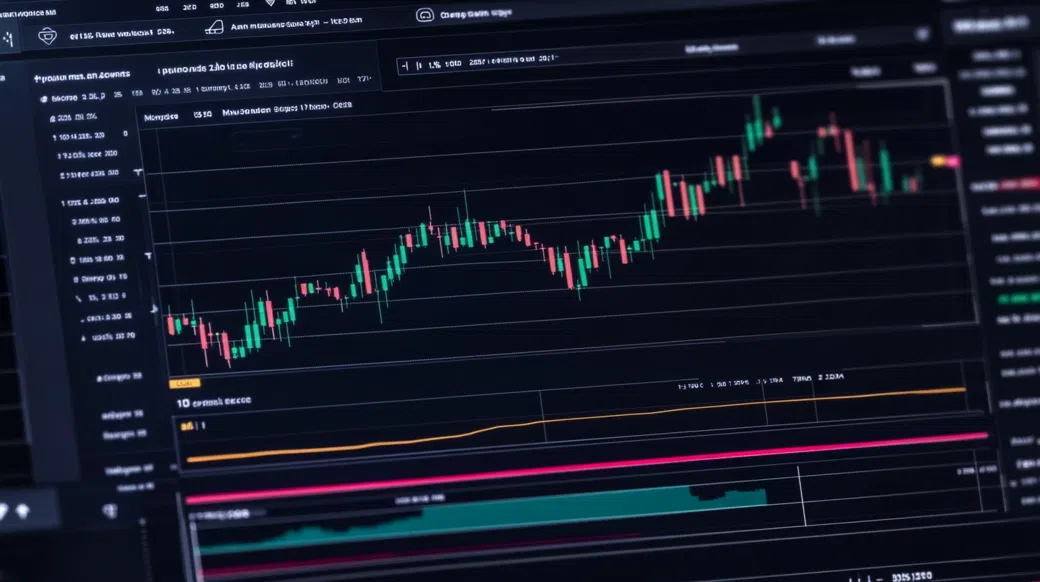
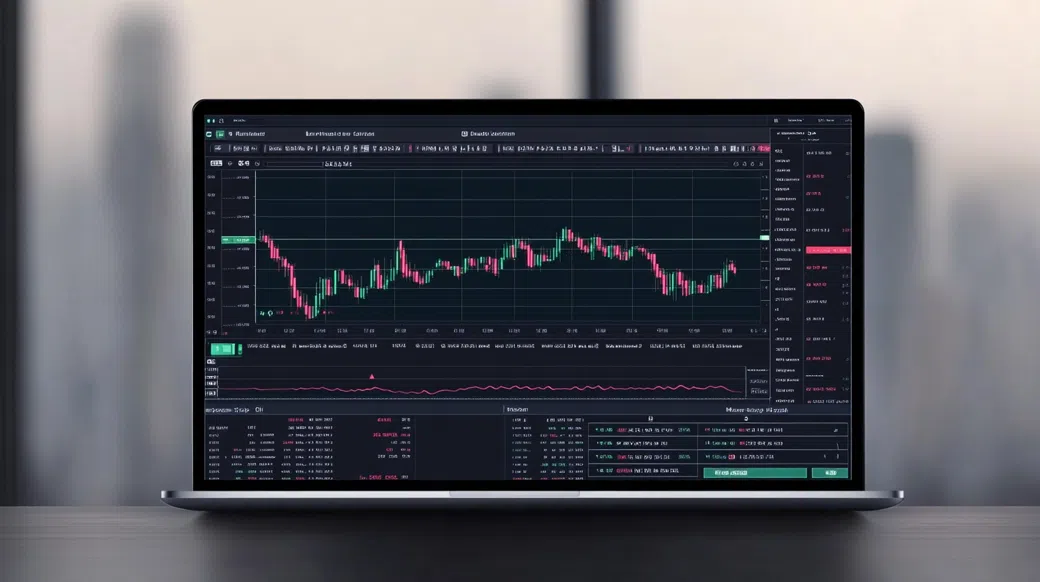
From the WebTrader, the first thing I checked was stability: sessions stayed persistent across tab refreshes, and quotes updated without the “stutter” you sometimes see in thin web terminals. The order ticket supports market and pending orders with SL/TP attached, plus partial closes via position management. Execution on a small EUR/USD scalp during the NY–London overlap filled without requotes on my end, though slippage remains possible around data releases. If you live inside MT4/MT5 plugin ecosystems, note that I didn’t see a native MetaTrader download area in the client portal during my test.
KapitexAI App: Mobile Trading Experience
The KapitexAI app is more than a price viewer: I could place market and limit orders, edit stops, and close positions with a single action from the positions list. KapitexAI login on mobile supported biometric unlock on my device, and push alerts were available for order activity and margin thresholds. Deposits and withdrawals were reachable from the same navigation rail, which reduces operational friction when you’re managing risk on the move. One quirk: dense chart layouts can feel cramped in landscape mode when multiple indicators are stacked.
Charting, Tools & Research
Charting covers the common technical toolbox—MA, RSI, MACD, Bollinger Bands—plus drawing tools for structure and levels. There’s also an economic calendar and a streaming news feed that’s useful for timing volatility, not for deep fundamental work. Alerts and watchlists are present, but the ceiling is lower than MT5/cTrader when you want advanced backtesting, custom scripts, or third‑party add-ons. For most discretionary CFD trading, it’s “enough,” not “best in class.”
KapitexAI Account Opening & Minimum Deposit
My onboarding started with a short form (email, phone, country, password) and a trading-profile questionnaire that looked aligned with basic AML suitability checks. Verification required a government photo ID plus proof of address (utility bill/bank statement dated within three months). I submitted documents in the afternoon and had approval the same business day, with status updates shown in the dashboard rather than buried in email threads.
- Minimum Deposit: $200 (KapitexAI minimum deposit at the time of my test)
- Funding Methods: Visa/Mastercard, bank wire, regional e-wallets, and crypto (BTC, USDT)
- Demo Account: $10,000 virtual balance for testing spreads, swaps, and order handling
- Account Types: Standard (spread-only) and Raw/ECN-style (tighter spreads + commission)
Account base currency choice matters more than most people admit: it’s the difference between clean bookkeeping and constant conversion noise. Inside the cashier, I ran a USDT deposit to check confirmations and balance crediting, then used KapitexAI to place small test positions before scaling anything meaningful.
KapitexAI Customer Support Review
I contacted live chat with a specific question: how swap/overnight fees are displayed for each symbol before placing a trade. The agent surfaced the symbol-details panel and explained where the long/short rates update, with the first response arriving in about 3 minutes. I then opened an email ticket asking about withdrawal sequencing for crypto vs card rails and received a clear policy reply in roughly 9 hours on a business day.
Support coverage tracked the usual offshore CFD pattern: 24/5 for chat and email, with thinner staffing as the weekend approaches. Language breadth is region-dependent, and phone support isn’t consistently presented as a primary channel. Relative to peers, the help desk felt functional and process-driven—good for operational questions, less so for nuanced dispute resolution.
Ready to Explore KapitexAI?
If you’re considering an account, start by confirming your country eligibility and comparing Standard vs Raw pricing on the instruments you actually trade. A quick demo run can reveal whether spreads and execution feel stable during your preferred session before you commit real capital.
Visit KapitexAIKapitexAI Review FAQ
Is KapitexAI good for beginners?
Yes, for basics—if you keep position size small and use the demo first. The interface is approachable and the Standard account keeps pricing simple. Beginners still need to respect leverage (up to 1:500) because a small move can trigger a margin call quickly.
Can I trade crypto on KapitexAI?
Yes, crypto is offered as CFDs, with BTC/USD and ETH/USD among the typical listings. That means you’re trading price movements, not receiving coins to a wallet. Expect wider pricing and higher financing impact over weekends compared with FX majors.
Is KapitexAI a scam?
No—based on my functional tests (KYC, trading, and a completed payout request), it behaved like a working broker rather than a deposit trap. The more relevant caution is structural: offshore registration typically offers fewer formal protections than Tier‑1 regulation. Trade only with money you can afford to risk.
Is KapitexAI available in the USA?
No, the USA is restricted. US residents generally can’t open accounts due to local regulatory rules around leveraged CFDs. If you travel, eligibility still hinges on residency and KYC documents, not just IP location.
How long does a KapitexAI withdrawal take?
Most withdrawals are processed internally within 24–48 hours after KYC clears. After that, the rail matters: cards typically land in 2–5 business days, wires in 3–7 business days, and crypto often arrives the same day (sometimes within a few hours). Timing can stretch during compliance checks or bank cutoffs.
What is the KapitexAI minimum deposit?
The KapitexAI minimum deposit is $200 in my 2026 test. That’s enough to open and manage small positions, but it doesn’t automatically make 1:500 leverage appropriate. Consider your margin buffer and the instruments’ volatility first.
Does KapitexAI have a mobile app?
Yes, it offers iOS and Android apps alongside the WebTrader. The app supports trading, position management, and funding/withdrawal actions, not just chart viewing. If you trade actively, enable alerts so margin and order updates don’t get missed.
Final Verdict: Should You Use KapitexAI in 2026?
Overall Score: 4.1/5
What stood out wasn’t marketing—it was operational consistency: KYC rules actually triggered, pricing tiers were clearly separated, and the platform handled small test orders without friction. KapitexAI is best treated as an offshore, leverage-forward CFD venue where your edge comes from discipline, not from slogans. If you value a simple WebTrader, a functional mobile stack, and access to indices/FX/crypto CFDs from one account, KapitexAI is worth a look. Keep the core reality in view: CFDs are high-risk leveraged products, and losses can exceed expectations if risk limits aren’t enforced.
Best for: active CFD traders who want Raw-style pricing and can manage leverage responsibly. Avoid if: you require Tier‑1 regulatory protections, investor compensation schemes, or MT4/MT5-dependent workflows.