Horizon Termevance Review 2026: Is It Safe & Worth Your Money?
In-depth Horizon Termevance review updated for 2026. We tested spreads, key features, supported countries, and safety. Read our full verdict.
Horizon Termevance Review 2026: Pros, Cons, and Features Tested
| Min Deposit | $200 |
| Max Leverage | 1:500 |
| Assets | Forex CFDs, Indices CFDs, Commodities CFDs, Crypto CFDs, Share CFDs |
| Platforms | Proprietary WebTrader, iOS app, Android app |
Built as a multi-asset CFD venue for traders who want high leverage and fast access, Horizon Termevance fits active speculation better than “set-and-forget” investing, with the trade-off being an offshore-style legal framework. I ran a small, controlled test account on Horizon Termevance, and the account tiers split cleanly into spread-only Standard and a tighter Raw/ECN-style option. The product shelf leans FX and indices first, then commodities and crypto CFDs for volatility hunters. The platform stack is proprietary (WebTrader plus mobile), which keeps things consistent but won’t satisfy traders who live inside MT4/MT5 plugins. The standout for me was execution consistency on majors; the main drawback is that investor protections are thinner than at top-tier regulated brokers.
Pros
- Two pricing modes (spread-only and Raw/ECN-style) that let you pick between simplicity and tighter costs
- Broad CFD menu: FX, indices, metals/energy, and large-cap crypto exposure in one place
- Mobile and WebTrader share the same watchlists and account controls, useful for monitoring margin on the go
Cons
- Operates under an offshore registration model, so dispute escalation and compensation schemes are limited
- Platform ecosystem is proprietary; MT4/MT5 compatibility wasn’t something I could verify in the client area
- Long-hold accounts can feel fee drag from swaps and an inactivity charge after dormancy
Is Horizon Termevance Legit and Safe?
Horizon Termevance did not behave like a “vanish-with-your-deposit” operation in my test: KYC was enforced, trades executed, and my withdrawal request was processed. That said, it sits in the offshore category, which means fewer formal protections than you’d get under FCA/ASIC/CySEC-style rules.
From the paperwork and footer disclosures I reviewed in the portal, the provider points to a Mauritius FSC-style registration footprint rather than a strict onshore license. Practically, that offshore status cuts both ways: you often get higher leverage (here up to 1:500) and a smoother product lineup, but you also give up strong statutory compensation schemes and you may find cross-border disputes slower to resolve. I ran a basic red-flag scan while testing—no “mystery trophies,” no aggressive sales scripts in my inbox, and no pressure to upsize the deposit beyond the initial funding. On the safeguards side, the broker required identity verification (ID + proof of address) before sensitive actions, and the terms referenced segregated client funds language (worth reading, not just assuming). Final note: CFDs are leveraged products; many retail traders lose money, and margin calls can happen fast.
Supported Countries & Restricted Regions
This service is generally accessible across many international regions where offshore CFD brokers operate, while the USA and sanctioned jurisdictions are blocked. Availability still depends on local rules and the platform’s compliance screening.
| Region | Status | Leverage Cap |
|---|---|---|
| Southeast Asia | Accepted | Up to 1:500 |
| MENA (selected countries) | Accepted | Up to 1:500 |
| Latin America | Accepted | Up to 1:500 |
| Non-EU Europe (selected countries) | Accepted | Up to 1:500 |
| USA | Restricted | Not offered |
| Sanctioned jurisdictions | Restricted | Not offered |
In my signup flow, eligibility checks were tied to both profile details and document review, not just a checkbox. Expect IP/location signals and KYC to decide access, and remember that a country that’s accepted today can move to restricted if policy changes.
Tradable Assets and Markets
The lineup is built for CFD trading across the usual “macro + volatility” mix: indices and FX for liquidity, metals/energy for event risk, and crypto for weekend movement. Depth is practical rather than encyclopedic—enough instruments to rotate strategies without drowning in obscure symbols.
- Indices: Major benchmarks like US500, NAS100, US30, and key European contracts for session-based trading.
- Forex: 40+ pairs across majors and a handful of minors, with spreads that tighten on the Raw/ECN-style tier.
- Commodities: XAU/USD and XAG/USD plus energy (WTI/Brent) for traders who key off inflation prints and inventory data.
- Crypto CFDs: BTC and ETH as the core, with additional large-caps for momentum setups outside equity hours.
- Share CFDs: A curated set of US/EU blue chips geared toward headline-driven bursts rather than long-term ownership.
Everything here is CFD exposure: you’re trading price movement with leverage, not taking delivery of coins, not receiving shareholder voting rights, and dividends (if any) are typically reflected as adjustments rather than ownership income.
Horizon Termevance Trading Fees and Spreads
Costs on this Horizon Termevance review came down to account choice: Standard bakes the fee into the spread, while the Raw/ECN-style option pairs tighter spreads with a per-lot commission. On EUR/USD, my quotes clustered around “from 1.6 pips” (Standard) versus “from 0.2 pips + $7 round-turn” (Raw/ECN), broadly in line with offshore CFD peers.
| Asset | Spread/Fee | Market Average Comparison |
|---|---|---|
| EUR/USD (Standard) | From 1.6 pips | Around average for offshore CFD brokers |
| EUR/USD (Raw/ECN) | From 0.2 pips + $7 round-turn/lot | Competitive if you trade size |
| Bitcoin (BTC/USD) | From $35 spread (varies with volatility) | Typical; widens on fast moves/weekends |
| Gold (XAU/USD) | From $0.30 | Slightly better than many spread-only models |
| US500 Index | From 0.9 points | Near the middle of the pack |
Non-spread costs that matter over time: Overnight swap/financing is the silent P&L leak for multi-day CFD holds, and it showed up clearly when I left a small gold position open through rollover. Dormant accounts can also incur an inactivity fee of $10 per month after 90 days with no trading activity, which changes the math for “rarely trade” users. On funding/withdrawals, method rails may introduce third-party charges or FX conversion costs if your card/wallet currency differs from your account base—those don’t show in the spread, but you’ll feel them in net receipts.
Horizon Termevance Trading Platforms and Tools
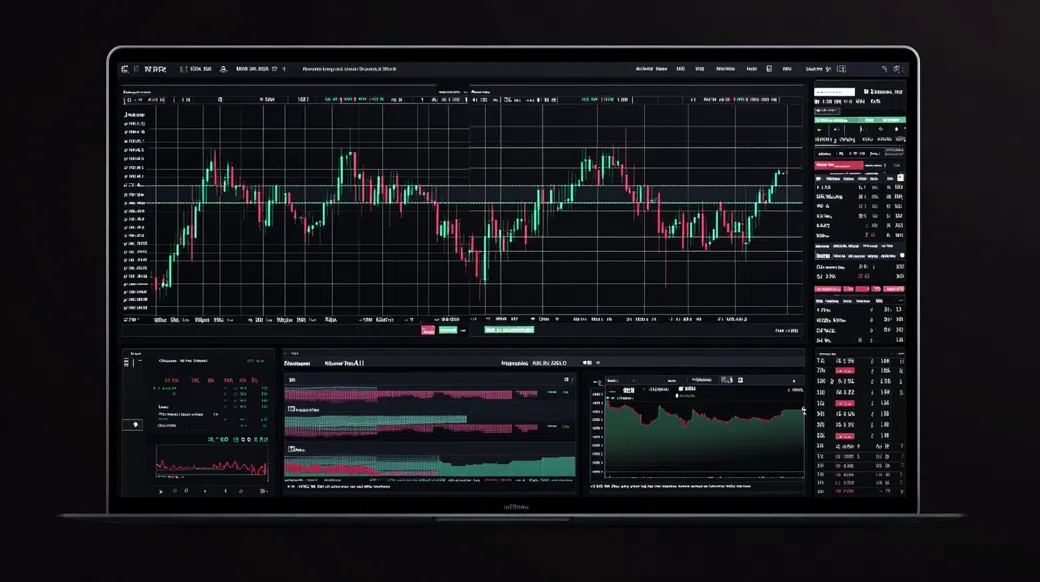
WebTrader is where I spent most of the time, and the key question for me was stability during busy windows. At the NY/London overlap, the interface stayed responsive with multi-chart layouts, market/limit/stop orders, and one-click position controls; execution felt consistent on EUR/USD with no weird “badgeware” add-ons cluttering the terminal. If you rely on MT4/MT5 indicators, EAs, or a deep copy-trading ecosystem, this proprietary setup will feel narrower, even if it covers the core workflow well.
Horizon Termevance App: Mobile Trading Experience
The Horizon Termevance app mirrored the browser layout more than I expected: watchlists synced, positions were editable, and deposits/withdrawals were reachable without digging through menus. For Horizon Termevance login, biometric unlock worked on my device, and push notifications for price alerts were reliable when I tested threshold triggers on BTC/USD. A small quirk: dense chart views on a phone make indicator stacking feel cramped, so I kept mobile for monitoring margin and managing stops rather than full analysis.
Charting, Tools & Research
Tooling is practical: common indicators (MA, RSI, MACD, Bollinger), drawing tools, timeframe switching, and an economic calendar that’s adequate for planning around CPI/FOMC-style events. There’s also an integrated news feed, but it’s not a substitute for a dedicated research terminal or the richer app marketplace you get with MT5/cTrader. Alerts and watchlists did their job, which is what I care about when risk is moving faster than narrative.
Horizon Termevance Account Opening & Minimum Deposit
Instead of burying verification in a later corner, the onboarding flow nudged me toward KYC early: email + phone confirmation, then ID upload and proof of address (a bank statement/utility bill dated within three months). The form itself asked for the usual AML profile items (residency, employment, and source-of-funds style prompts), and my documents cleared within the same business day. That cadence is consistent with offshore brokers that still take compliance seriously.
- Minimum Deposit: $200 (this is the Horizon Termevance minimum deposit I used to fund the test account)
- Funding Methods: Visa/Mastercard, bank wire, regional e-wallets, and crypto deposits (BTC and USDT were offered in my cashier)
- Demo Account: Yes—$10,000 virtual balance for practice on the same WebTrader layout
- Account Types: Standard (spread-only) and Raw/ECN-style (tighter spreads + $7 round-turn commission)
One operational detail worth noting: the account base currency selection affects conversion drag, especially if you fund with a different currency card or settle withdrawals via another rail. If you want to sanity-check the KYC and cashier steps yourself, I’d do it with a small amount first on Horizon Termevance before scaling position sizes.
Horizon Termevance Customer Support Review
I tested support with a specific question that tends to reveal operational honesty: “When does internal processing end and when does the payment rail take over for withdrawals?” Live chat picked up in about three minutes and explained the 24–48 hour internal handling window post-KYC, plus the method-dependent delivery times. I followed up via email asking where swap rates are displayed for each instrument; the ticket reply landed in roughly nine hours with directions to the contract specs panel.
Coverage ran on a 24/5 cadence, which fits the FX/CFD week but leaves weekend crypto traders leaning on self-service tools. Language availability looked region-dependent, and while a phone number wasn’t prominent in my dashboard, chat and email were easy to access from inside the platform. Relative to similar offshore providers, the support posture felt functional: not concierge-level, but not evasive.
Ready to Explore Horizon Termevance?
If you’re considering an account, start by checking spreads on the instruments you actually trade and verifying which funding rails work in your country. A demo first can help you map order types and margin behavior before risking real capital.
Visit Horizon TermevanceHorizon Termevance Review FAQ
Is Horizon Termevance good for beginners?
It can be, but only if you treat it as a CFD learning environment and keep position sizes small. The WebTrader is readable and the demo account helps, yet the 1:500 leverage ceiling is not beginner-friendly if you don’t understand margin and stop placement. Beginners should prioritize risk limits over chasing tighter spreads.
Can I trade crypto on Horizon Termevance?
Yes, crypto CFDs were available in my test, with BTC and ETH as core markets. Because it’s CFD exposure, you’re trading price movement (with financing/spread effects), not withdrawing on-chain coins to a personal wallet. Weekend volatility can widen effective costs.
Is Horizon Termevance a scam?
No—based on my hands-on checks, it operated like a functioning broker: KYC was required, trades executed, and a withdrawal request progressed through processing. The real caution is structural: it’s offshore-registered, so protections and complaint pathways aren’t the same as a top-tier regulated firm. Always assume CFDs can amplify losses.
Is Horizon Termevance available in the USA?
No, the USA was restricted in my review. If you attempt to register from a restricted jurisdiction, expect the platform to decline access during eligibility checks or KYC. Rules can shift, so confirm before funding.
How long does a Horizon Termevance withdrawal take?
A Horizon Termevance withdrawal typically goes through 24–48 hours of internal processing after KYC approval. After that, delivery depends on the rail: cards commonly take 2–5 business days, wires 3–7 business days, and crypto transfers often arrive the same day. Bank-side or network congestion can extend real-world timing.
What is the Horizon Termevance minimum deposit?
The minimum deposit is $200. That’s enough to test execution and fees, but it’s not a cushion against drawdowns if you trade high leverage. For risk control, align deposit size with your stop-loss distances and margin requirements.
Does Horizon Termevance have a mobile app?
Yes, I used the iOS/Android mobile app alongside WebTrader. You can monitor positions, manage orders, and access the cashier from the phone, which is useful when margin moves quickly. Charting is solid for quick decisions, but complex analysis is still easier on a larger screen.
Final Verdict: Should You Use Horizon Termevance in 2026?
Overall Score: 4.0/5
What convinced me wasn’t marketing—it was the operational “plumbing”: KYC gates that actually triggered, consistent fills on liquid FX during overlap hours, and a withdrawal that moved from request to processed inside the stated window. Horizon Termevance won’t satisfy traders demanding Tier-1 regulation or a full MT4/MT5 ecosystem, but for speculative CFD traders who value leverage and a clean proprietary terminal, it’s a coherent package. If you do proceed, treat leverage as a tool, not a default; CFDs put your capital at risk and losses can exceed expectations without strict stops. For current conditions and account terms, start at Horizon Termevance.
Best for: active CFD traders focused on FX/indices who want Standard vs Raw-style pricing choice and mobile control. Avoid if: you need strong onshore regulatory protection, extensive third-party platform plugins, or you plan to leave accounts idle for long stretches.