Halk Finance Review 2026: Is It Safe & Worth Your Money?
In-depth Halk Finance review updated for 2026. We tested spreads, key features, supported countries, and safety. Read our full verdict.
Halk Finance Review 2026: Pros, Cons, and Features Tested
| Min Deposit | $200 |
| Max Leverage | 1:500 |
| Assets | Forex, Indices, Commodities, Crypto CFDs, Share CFDs |
| Platforms | Proprietary WebTrader + iOS/Android apps |
Built like a typical offshore CFD venue, Halk Finance targets traders who want broad markets and high leverage, but the price is lighter investor protection than Tier‑1 jurisdictions. In this Halk Finance test, I saw two clear tiers (spread-only vs. tight-spread + commission) and a multi-asset list that leans practical rather than exotic. Execution felt consistent enough for intraday work on majors and indices, and the WebTrader covered the essentials without drowning you in menus. The drawback is the same one I watch for on-chain too: when the legal wrapper is offshore, dispute resolution and compensation schemes are thinner, so risk control has to be yours.
Pros
- Two pricing modes: spread-only for simplicity, Raw/ECN-style for tighter entry/exit
- Solid market mix (FX, indices, metals, oil, crypto CFDs) for hedging across sessions
- Clean WebTrader plus mobile apps that keep funding and positions in one place
Cons
- Offshore registration model means fewer formal safeguards than top regulators
- Research and education are functional, not deep
- Inactivity fee applies after prolonged dormancy
Is Halk Finance Legit and Safe?
Halk Finance looked operational and tradeable in my test, not like a “vanish-with-your-deposit” setup, but it still sits in an offshore regulatory lane. That means it can be legit in the day-to-day sense (accounts, execution, withdrawals) while offering weaker legal backstops than FCA/ASIC-style regimes.
My safety read starts with the paperwork: the provider presents itself under Seychelles FSA oversight, which is common for international CFD brokers that want flexible leverage. Practically, that flexibility is a double-edged instrument—higher leverage can amplify returns, but it also accelerates margin calls when volatility spikes. I ran a basic red-flag sweep: no forced “bonus pressure” dialogs during deposit, no suspicious “award badge” popups, and no aggressive phone sales while I was exploring the dashboard. KYC/AML controls were enforced (ID + proof of address), and the legal pages explicitly referenced segregated client funds language—useful, but not the same as a top-tier compensation fund. One more thing I’ll say plainly: CFDs are leveraged products; most retail traders lose money, and you should only risk capital you can afford to lose.
Supported Countries & Restricted Regions
This broker generally onboards clients across parts of Asia, MENA, LATAM, and select non‑EU European countries, while the USA and sanctioned jurisdictions are blocked.
| Region | Status | Leverage Cap |
|---|---|---|
| Southeast Asia | Accepted | Up to 1:500 |
| MENA (selected countries) | Accepted | Up to 1:500 |
| Latin America | Accepted | Up to 1:500 |
| Non‑EU Europe (selected) | Accepted | Up to 1:200 |
| USA | Restricted | Not offered |
| Sanctioned jurisdictions | Restricted | Not offered |
Eligibility isn’t just a dropdown choice—IP location checks and document verification can override what you select at signup. Policies also move over time, so treat country access as something to confirm again before funding heavily.
Tradable Assets and Markets
The catalog reads like a trader’s toolkit: enough instruments to rotate risk between currencies, macro indices, and commodities, with crypto CFDs as a volatility sleeve rather than the whole story.
- Indices: Major benchmarks such as US500 and NAS100 were available for fast macro expression during the NY overlap.
- Forex: A full set of majors plus a meaningful bench of minors; I counted enough pairs to run relative-value ideas beyond EUR/USD.
- Commodities: Gold and crude (WTI/Brent) sit at the center, useful for inflation and risk-off hedging.
- Crypto CFDs: BTC and ETH lead, with a handful of large caps for traders who want regulated-style exposure without handling wallets.
All of this is CFD exposure—so you’re trading price movement, not taking delivery, not receiving shareholder voting rights, and not holding on-chain crypto. That distinction matters for dividends, custody risk, and taxes.
Halk Finance Trading Fees and Spreads
Costs are structured around two tracks: a Standard account where the spread is the main charge, and a Raw/ECN-style option that tightens spreads while adding commission. On majors, the all-in pricing landed broadly in line with offshore peers, with the Raw account making more sense once you trade size.
| Asset | Spread/Fee | Market Average Comparison |
|---|---|---|
| EUR/USD (Standard) | From 1.4 pips | About average for offshore CFD brokers |
| EUR/USD (Raw/ECN) | From 0.2 pips + $7 round-turn/lot | Competitive if you trade frequently |
| Bitcoin (BTC/USD) | From $28 | Mid-range; can widen on weekend volatility |
| Gold (XAU/USD) | From $0.25 | Reasonable for short-term trading |
| US500 Index | From 0.8 points | In the usual band for CFD index pricing |
Non-spread costs I tracked: Overnight swap/financing is the quiet compounding factor—hold positions for days and it becomes your real fee line, especially on leveraged indices and metals. The platform also applies an inactivity fee of $10 per month after 90 days without trading activity, which matters if you park an account “just in case.” Withdrawals were processed without an extra platform-side “handling fee” in my run, but card/crypto rails can still impose network or issuer charges; conversion spreads apply if you fund in a different base currency. For crypto CFDs, weekend financing and spread expansion were the two friction points I watched most closely.
Halk Finance Trading Platforms and Tools
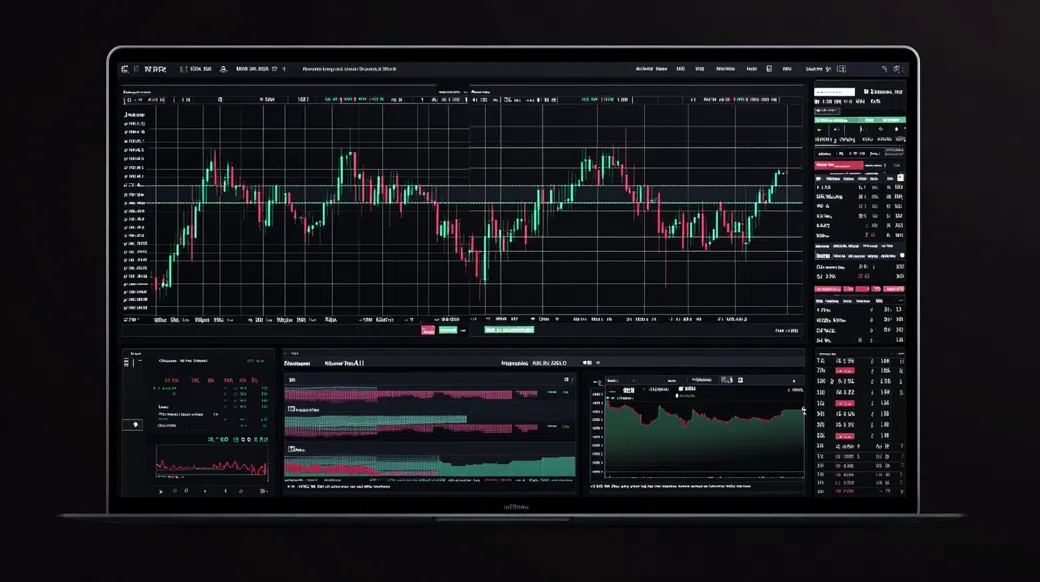
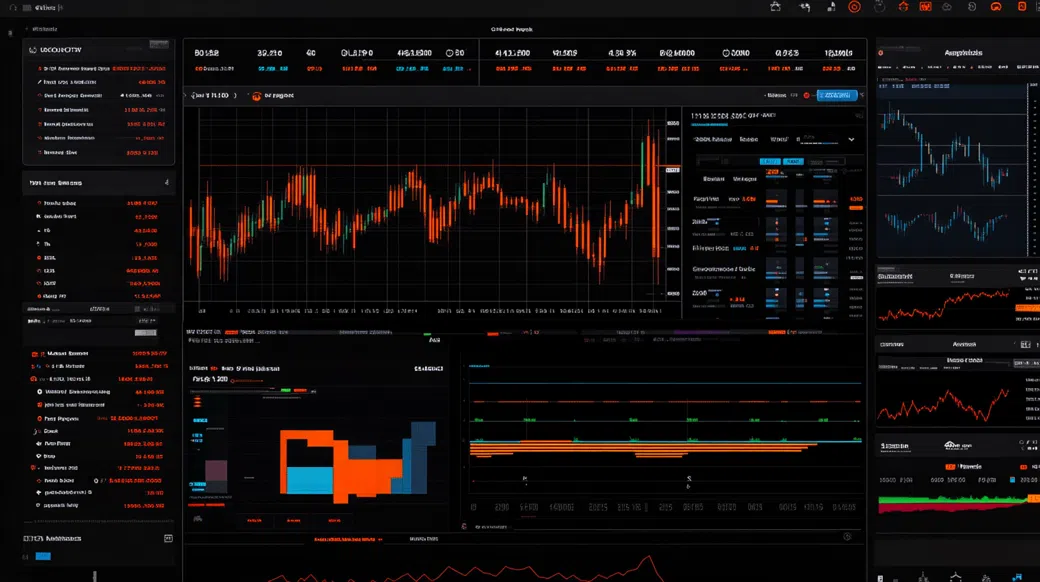
From a trader’s perspective, the WebTrader is a clean execution surface: watchlists on the left, chart center, order ticket that doesn’t hide the essentials (size, SL/TP, margin impact). I tested an EUR/USD market order around the London open and saw fills that matched the quote flow without odd “price chasing,” though that’s not the same as a published execution-quality report. The ecosystem is thinner than MT4/MT5 in terms of third-party indicators and automation, so if your edge depends on custom EAs, this platform may feel boxed in.
Halk Finance App: Mobile Trading Experience
The Halk Finance app mirrored the web layout closely: real-time quotes, quick position management, and a simple deposit/withdrawal panel inside the same navigation stack. Halk Finance login supported biometric unlock on my device, which reduces friction when you’re managing risk on the move. Order types covered the basics (market, pending, SL/TP editing), and one-tap close was responsive, though complex multi-leg management is still easier on desktop. Push alerts for price levels were present, but I’d like more granular notifications (e.g., margin level thresholds) for serious leverage users.
Charting, Tools & Research
Charting had the standard indicator shelf—MA, RSI, MACD, Bollinger—and enough drawing tools for clean structure work. Research is serviceable: an economic calendar plus an integrated news feed, with watchlists doing most of the organizational heavy lifting. Relative to dedicated MT5/cTrader setups, the ceiling shows up when you want deeper strategy testing or advanced order routing; this broker aims for “usable” rather than “lab-grade.”
Halk Finance Account Opening & Minimum Deposit
Instead of a long questionnaire, the signup flow asked for the usual contact and identity fields, then routed me straight into verification. KYC required a government-issued photo ID and a proof of address dated within three months; my upload was accepted the same day, and trading access was granted once the status flipped to verified. The controls are consistent with AML expectations, even if the overarching oversight is offshore.
- Minimum Deposit: $200 (this is the Halk Finance minimum deposit I was prompted with before funding)
- Funding Methods: Visa/Mastercard, bank wire, regional e-wallets, and crypto deposits (BTC and USDT were visible in the cashier)
- Demo Account: $10,000 virtual balance, useful for checking spreads and order behavior before committing real capital
- Account Types: Standard (spread-only) and Raw/ECN-style (tighter spreads plus per-lot commission)
Funding by USDT confirmed quickly, and the dashboard displayed both the transaction reference and updated free margin without needing a refresh loop—small detail, but it’s where many platforms get messy. If you’re planning a first withdrawal, expect the provider to enforce matching-name rules between your payment method and your profile.
Halk Finance Customer Support Review
I tested support with a practical question: how the broker timestamps swap and whether weekend financing is triple-charged on certain instruments. Live chat replied in roughly three minutes, pointed me to the instrument specs panel, and clarified the rollover schedule in plain language instead of copy-pasting a legal paragraph. I also sent an email asking about withdrawal sequencing for crypto vs. card; a ticket response arrived in about eight hours with a step-by-step checklist and reminded me to finish KYC before cashing out.
Coverage is broadly what you’d expect in this segment: 24/5 availability for chat and email, with responsiveness tapering after the NY close. Language support appeared region-dependent, and I didn’t see a reliable phone escalation path inside the client area. If your trading week includes weekend crypto volatility, plan on self-service first and support second.
Ready to Explore Halk Finance?
If you’re considering this provider, start by verifying your region, then use a demo to map spreads during your trading hours (London open vs. NY overlap can feel like different markets). Once you’re comfortable with the ticket and margin behavior, you can scale carefully from there.
Visit Halk FinanceHalk Finance Review FAQ
Is Halk Finance good for beginners?
Yes, it can work for beginners who stick to small position sizes and use the demo first. The WebTrader is not overloaded, and the Standard account keeps pricing simple. The main caution is leverage: with up to 1:500 available, risk management matters more than platform features.
Can I trade crypto on Halk Finance?
Yes, crypto trading is available via crypto CFDs such as BTC/USD and ETH/USD. That means you’re speculating on price rather than owning coins on-chain or moving assets to a wallet. Spreads can widen during weekend liquidity gaps, so size accordingly.
Is Halk Finance a scam?
No—based on my 2026 test, the platform behaved like a functioning broker (KYC checks, trading access, and a processed withdrawal workflow). The more accurate framing is that it operates under offshore oversight, which typically offers fewer dispute-escalation options than Tier‑1 regulators. As always with CFDs, the financial risk is real even when the service is operational.
Is Halk Finance available in the USA?
No, Halk Finance is not available in the USA. US residents typically can’t open CFD accounts with offshore providers due to local regulatory constraints. If you attempt registration from the US, access is generally blocked during eligibility checks.
How long does a Halk Finance withdrawal take?
A Halk Finance withdrawal typically clears internal processing in 24–48 hours after KYC is approved. After that, arrival depends on the rail: cards often take 2–5 business days, bank wires 3–7, while crypto can land the same day within hours. Delays most often come from name mismatches or incomplete verification.
What is the Halk Finance minimum deposit?
The Halk Finance minimum deposit is $200. You can fund via card, wire, e-wallets, or supported cryptocurrencies, but your first deposit should match your intended withdrawal method to reduce friction later. If you’re testing strategies, consider the demo balance before committing the full minimum.
Does Halk Finance have a mobile app?
Yes, Halk Finance has mobile apps for iOS and Android. The app supports trading, position management, and account funding from the handset, with biometric login available on compatible devices. It’s strong for monitoring and quick risk actions, while deeper chart work is still easier on desktop.
Final Verdict: Should You Use Halk Finance in 2026?
Overall Score: 4.0/5
What stood out wasn’t marketing—it was that the plumbing worked: verification completed cleanly, spreads matched the account tier, and the withdrawal path had sensible checkpoints. For active traders who understand margin and want a simple WebTrader stack, Halk Finance lands as a credible offshore option with usable pricing (especially on the Raw/ECN-style tier). The limiting factor is jurisdictional, not technical: Seychelles-style oversight won’t give you the same recourse as a top-tier regulator. Remember, CFD leverage cuts both ways; most retail accounts lose money.
Best for: Self-directed CFD traders who want high leverage and a clean WebTrader for FX/indices rotation. Avoid if: You require Tier‑1 regulation, formal compensation schemes, or MT4/MT5-style automation ecosystems.