Fondo Oraventa Trading Platform Alternatives 2026
Review Fondo Oraventa alternatives for 2026 with a safety-first lens. Compare regulated brokers, costs, platforms, execution, and migration steps for US/EU traders.
Fondo Oraventa Trading Platform Alternatives 2026: Reliable Options for Online Traders
Blockchain taught me a habit that translates well to trading platforms: don’t trust the story—trace the flow. Marketing pages promise “tight spreads” and “fast execution,” but the only thing that consistently tells the truth is the data you can verify: regulator registers, legal entities, client-money rules, and your own fills under load. That’s the lens I’m using for this review of Fondo Oraventa and the safest ways to think about switching.
Fondo Oraventa appears to sit in the offshore/unregulated end of the CFD spectrum (commonly associated with jurisdictions like the Seychelles FSA). In that category, the offering is typically FX and CFDs (plus crypto CFDs), delivered through a proprietary WebTrader and a mobile app rather than a deep institutional stack. Expect headline leverage around 1:500, a minimum deposit near $250, and EUR/USD pricing that often lands around ~2.0 pips on a standard-style account—numbers that can be “fine” on paper yet expensive once you measure cost per round-turn and the slippage you actually experience.
If you’re searching for Fondo Oraventa alternatives, the core question isn’t “Which platform looks similar?” It’s “Which broker can I independently validate?” In 2026, that usually means tier-1 oversight (FCA/ASIC/CySEC/NFA), clear segregation of client funds, negative balance protection where applicable, and a platform stack that fits your strategy—whether that’s MT4/MT5, cTrader, DMA-style execution, or a multi-asset account that lets you own real shares instead of trading stock CFDs.
Disclaimer: This article is for informational purposes only and does not constitute investment advice. CFDs and other leveraged products carry a high risk of loss and may not be suitable for all investors.
Key Takeaways (TL;DR)
- Offshore CFD platforms can advertise high leverage (e.g., 1:500), but regulation, segregated funds, and withdrawal/complaints pathways matter more than leverage headlines.
- Cost comparisons should be done in round-turn terms (spread + commission + slippage + swap), not just “from 0.0 pips” banners.
- Traders who need real stocks/ETFs (not CFDs) typically end up with multi-asset brokers like IBKR or Saxo rather than CFD-only platforms like Fondo Oraventa.
What Is Fondo Oraventa and How Does Its Trading Platform Work?
On the product level, Fondo Oraventa fits the classic CFD-first profile: access to leveraged FX and index/commodity CFDs, often with a side menu of crypto CFDs, packaged for retail traders who want quick onboarding and a single dashboard. Execution in this segment is frequently “broker/dealer” style (often market-maker or hybrid), which makes the execution model and conflict-of-interest disclosures worth reading line by line. For traders comparing brokers similar to Fondo Oraventa, the practical issue is not whether you can place a market order—it’s whether you can audit the broker’s legal entity, dispute process, and client-money safeguards with the same rigor you’d apply to a trade idea.
Fondo Oraventa Web Trading Platform: Core Features and Tools
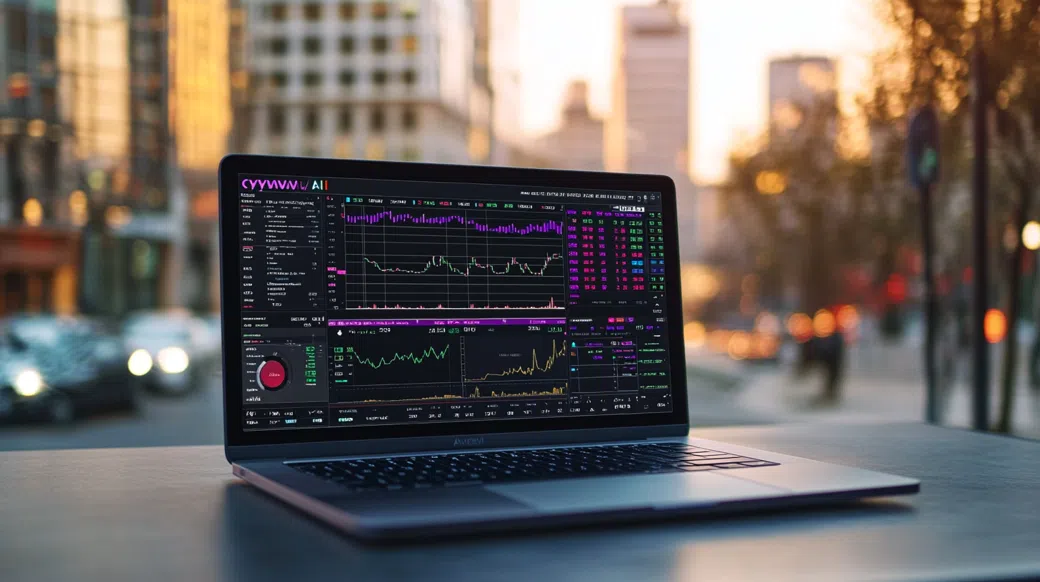
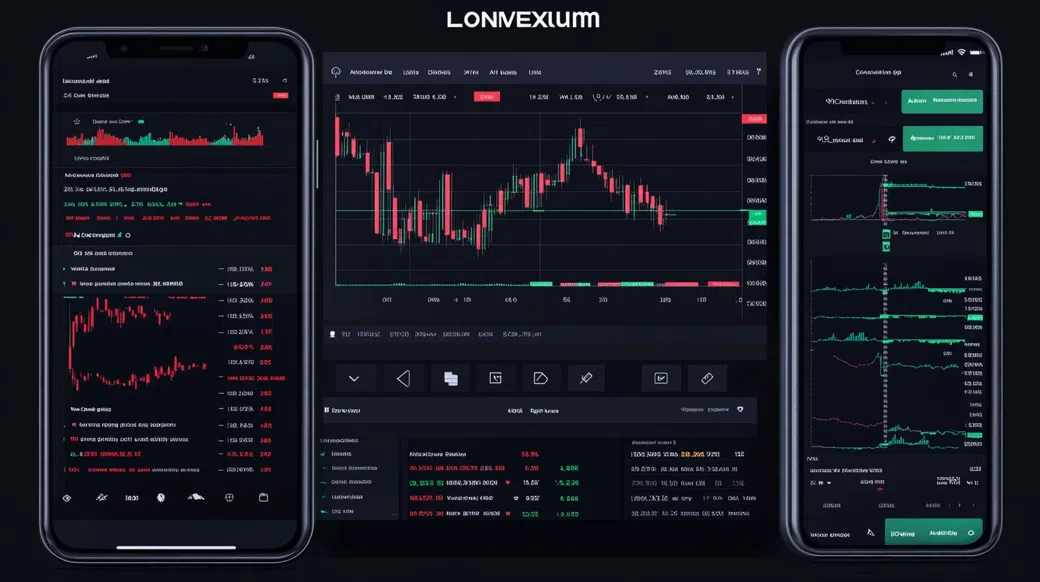
The proprietary WebTrader experience is usually the center of gravity: browser charts, watchlists, and a lightweight order ticket designed for speed rather than depth. Charting tends to cover the basics—multiple timeframes, common indicators, and drawing tools—without the “research workstation” feel you get from pro stacks. Order types are typically market/limit/stop, sometimes trailing stops, with execution that can look fine in calm markets and then show slippage during news spikes. Mobile parity is generally decent for monitoring positions and margin, but advanced tooling (strategy testing, custom indicators, API workflows) is rarely the focus.
Trading Fees, Spreads, and Account Types at Fondo Oraventa
Cost-wise, the pattern is familiar: a Standard-style account where EUR/USD often prints around ~2.0 pips, and sometimes a “raw/ECN” tier marketed as near-zero spread plus a commission (commonly $5–$8 per round-turn). Beyond the headline spread, swaps/overnight fees can dominate if you hold CFDs for days, and fees around inactivity or withdrawals may appear in the fine print. If you’re benchmarking competitors to Fondo Oraventa, keep a simple ledger: total trading cost per round-trip (spread + commission) plus the hidden tax of negative slippage when liquidity thins.
When Do Traders Start Looking for Fondo Oraventa Alternatives?
Data doesn’t care how clean a UI looks; it cares whether the system behaves predictably under stress. The moment traders start measuring “what happened” (fill quality, withdrawal timelines, dispute options) rather than “what was promised,” Fondo Oraventa alternatives become a practical search, not a philosophical one. In my experience, the trigger is often a mismatch between a trader’s risk budget and what an offshore CFD setup can credibly guarantee—especially when leverage is high and the only safety net is trust.
- You need MT4/MT5 or cTrader for an EA/automation workflow, but the proprietary platform doesn’t support your tooling stack.
- You’re scaling position size and want a broker with tier-1 oversight (FCA/ASIC/CySEC/NFA) and clearer client-fund segregation.
- Spreads around ~2.0 pips on EUR/USD make your strategy math fail once you compute monthly round-turn costs.
- Your plan requires real stock/ETF ownership (corporate actions, voting rights), not stock CFDs.
How to Choose a Reliable Alternative to the Fondo Oraventa Trading Platform
Think of broker selection like model validation: you’re testing assumptions before you deploy capital. A safer workflow is to define your non-negotiables (regulation, instruments, platform stack), then verify each item with external evidence—public registers, legal docs, and your own small-size execution tests. That’s how you separate platforms like Fondo Oraventa from regulated options vs Fondo Oraventa that can be checked, not merely believed.
Regulation, Safety, and Investor Protection
Start with the regulator’s public database: FCA Register (UK), ASIC Connect (Australia), CySEC (Cyprus/EU), or NFA BASIC (US). Tier-1 regimes commonly require segregated client funds and have clearer complaint and enforcement pathways. Investor compensation can matter too: the UK’s FSCS can cover eligible claims up to £85,000, while Cyprus’ ICF can cover up to €20,000 (eligibility and products vary). Offshore frameworks often lack comparable protections.
Available Markets and Instruments
Write down what you actually trade, not what you might trade. If you need spot FX and index CFDs, several regulated brokers fit. If your process includes real stocks/ETFs (long-term allocation, tax lots, corporate actions), you’ll want a multi-asset venue. Options and futures are a different layer again, typically requiring a broker built for exchange-traded products. A “CFD-only” setup can be workable, but it’s a constraint—own that constraint intentionally.
Trading Costs: Spreads, Commissions, and Other Fees
Spreads are only one input. The comparison metric that survives reality is round-turn cost-of-trade: spread cost (in pips) plus commissions, plus the slippage you see during volatile periods. Add swap/overnight fees if you carry positions, and don’t ignore inactivity or withdrawal charges if your trading cadence is irregular. Low advertised spreads can still be expensive if execution quality is inconsistent.
Platforms, Tools, and Execution Quality
Platform choice is a strategy choice. MT4/MT5 and cTrader support automation, custom indicators, and a mature ecosystem; proprietary WebTraders can be clean but limiting. Execution model matters: market maker vs STP/ECN/DMA changes how fills are formed, especially around news. Test for latency and slippage with a small live account, then compare trade receipts—your data log will tell you more than any brochure.
Support, Education, and Overall User Experience
When something breaks, response time becomes a trading cost. Look for support that matches your timezone, offers documented escalation, and provides clear answers on margin calls, negative balance protection, and withdrawal/KYC steps. Education is a bonus, not a substitute for safeguards. Mobile parity also matters if you manage risk on the go; a solid app should handle orders, margin monitoring, and account funding without surprises.
Fondo Oraventa and Different Asset Classes: When Alternatives May Be Better
Fondo Oraventa Forex and CFD Trading
For FX/CFDs, the headline numbers (like 1:500 leverage) can distract from what actually drives P&L: spread, slippage, and financing. With EUR/USD often hovering around ~2.0 pips on standard-style pricing, a frequent trader can pay more than expected once round-turn volume adds up. Regulated FX specialists such as Pepperstone or OANDA tend to offer clearer account structures (Standard vs Raw/commission) and broader platform choices (MT4/MT5/cTrader or strong proprietary stacks). The real difference shows up in trade logs: how often you get price improvement, how bad negative slippage is during events, and whether margin rules and negative balance protection are spelled out in plain language.
Fondo Oraventa Stock and ETF Trading
Stock and ETF exposure is where many offshore CFD platforms feel narrow. If Fondo Oraventa offers equities at all, it’s commonly via CFDs—synthetic exposure with no shareholder rights and a financing cost if you hold overnight. Traders who want real ownership and the ability to build a long-term book typically migrate to multi-asset brokers. Interactive Brokers (IBKR) is built for exchange access (stocks, ETFs, options, futures) with a global product set that can sit alongside FX. Saxo Bank is another route for investors who want a single account for multi-asset allocation with robust reporting. In other words: if your “trading” includes investing, CFD-only rails may be the wrong tool.
Fondo Oraventa Crypto Trading
Crypto is the easiest place for marketing to outpace substance. With platforms like Fondo Oraventa, crypto exposure is commonly delivered as crypto CFDs—price tracking without on-chain ownership, no withdrawals to a wallet, and no ability to verify reserves via blockchain proofs. If your goal is short-term directional trading, a regulated CFD broker like IG can provide crypto CFD access (where permitted) under tier-1 oversight, while keeping risk controls consistent with other CFD products. If your goal is actually to hold crypto, the conversation shifts away from CFD brokers entirely toward regulated exchanges and custody—an entirely different risk model. Know which one you’re choosing before you click “Buy.”
Best Fondo Oraventa Alternatives for 2026: Comparison of Top Trading Platforms
Interactive Brokers (IBKR): Key Facts and How It Compares to Fondo Oraventa
Regulation: SEC/FINRA (US), FCA (UK), IIROC (Canada) (entities vary by region).
Markets: Stocks, ETFs, options, futures, bonds, FX; some CFDs outside the US.
Fees: FX pricing is generally commission-based with very tight effective spreads on major pairs; equities pricing depends on plan/venue and region.
Platform: Trader Workstation (TWS), IBKR Desktop/mobile, Client Portal; API access for systematic traders.
Best For: Data-driven multi-asset traders who want exchange-grade market access.
Pepperstone: Key Facts and How It Compares to Fondo Oraventa
Regulation: FCA (UK), ASIC (Australia), CySEC (EU), DFSA (Dubai).
Markets: FX and CFDs (indices, commodities, some shares as CFDs depending on entity).
Fees: Typical EUR/USD from ~1.0–1.3 pips on Standard; on Razor/Raw-style accounts spreads can be ~0.0–0.3 pips plus a commission (varies by platform/entity).
Platform: MT4, MT5, cTrader; plus broker tooling integrations depending on region.
Best For: Spread-sensitive FX traders running MT4/MT5 or cTrader workflows.
Saxo Bank: Key Facts and How It Compares to Fondo Oraventa
Regulation: FCA (UK), MAS (Singapore), DFSA (Dubai) (regional entities vary).
Markets: Stocks, ETFs, bonds, options, futures, FX, CFDs (product availability depends on jurisdiction).
Fees: FX spreads typically start around ~0.6–1.2 pips on majors (tiered by account level/volume); equities priced per market schedule.
Platform: SaxoTraderGO, SaxoTraderPRO.
Best For: Investors who want real stocks/ETFs plus FX in one regulated account.
OANDA: Key Facts and How It Compares to Fondo Oraventa
Regulation: CFTC/NFA (US), FCA (UK), ASIC (Australia), IIROC (Canada).
Markets: Primarily FX; CFDs in some regions (indices/commodities) depending on entity.
Fees: Typically spread-only pricing; EUR/USD often around ~0.6–1.4 pips in liquid hours (varies by region/market conditions).
Platform: OANDA web/mobile; MT4 offered in certain regions.
Best For: Risk-managed FX traders prioritizing strong regulatory footing and transparency.
IG: Key Facts and How It Compares to Fondo Oraventa
Regulation: FCA (UK), ASIC (Australia), MAS (Singapore).
Markets: CFDs across FX, indices, commodities, shares; some regions offer additional products (varies by entity).
Fees: FX spreads often start around ~0.6–1.2 pips on majors depending on market conditions; financing costs apply to overnight CFD positions.
Platform: IG web platform and mobile; MT4 available in certain jurisdictions.
Best For: Macro-focused CFD traders who want broad market coverage under tier-1 rules.
CMC Markets: Key Facts and How It Compares to Fondo Oraventa
Regulation: FCA (UK), ASIC (Australia), BaFin (Germany).
Markets: CFDs on FX, indices, commodities, treasuries/rates, shares (availability varies by region).
Fees: Competitive FX pricing with majors often from ~0.7–1.2 pips depending on account type and conditions; overnight financing applies for CFDs.
Platform: Next Generation web platform and mobile; MT4 available in some regions.
Best For: Technical traders who want deep charting in a proprietary platform.
Comparison Summary
| Platform | Regulation | Main Markets | Typical Costs | Best For |
|---|---|---|---|---|
| Interactive Brokers (IBKR) | SEC/FINRA, FCA, IIROC (by entity) | Real stocks/ETFs, options, futures, bonds, FX | Commission-based; tight effective FX pricing; region-dependent schedules | Data-driven multi-asset traders who want exchange-grade market access |
| Pepperstone | FCA, ASIC, CySEC, DFSA (by entity) | FX + CFDs | Std ~1.0–1.3 pips; Raw ~0.0–0.3 + commission (varies) | Spread-sensitive FX traders running MT4/MT5 or cTrader workflows |
| Saxo Bank | FCA, MAS, DFSA (by entity) | Multi-asset (stocks/ETFs, options/futures, FX, CFDs) | FX often ~0.6–1.2 pips tiered; equities per market schedule | Investors who want real stocks/ETFs plus FX in one regulated account |
| OANDA | CFTC/NFA, FCA, ASIC, IIROC (by entity) | FX-first; some CFDs outside the US | Spread-only; EUR/USD often ~0.6–1.4 pips in liquid hours | Risk-managed FX traders prioritizing strong regulatory footing and transparency |
| IG | FCA, ASIC, MAS (by entity) | CFDs across FX/indices/commodities/shares | Majors often ~0.6–1.2 pips; overnight financing on CFDs | Macro-focused CFD traders who want broad market coverage under tier-1 rules |
| CMC Markets | FCA, ASIC, BaFin (by entity) | CFDs across FX/indices/commodities/shares | Majors often ~0.7–1.2 pips; overnight financing on CFDs | Technical traders who want deep charting in a proprietary platform |
How to Safely Move from Fondo Oraventa to Another Broker
Migration is a controlled unwind, not a leap of faith. Treat it like reducing counterparty risk: verify the destination first, then move funds and strategy components in stages. If you’re using leverage, keep position sizes small during the handoff—execution differences and margin rules can turn a “simple switch” into an avoidable loss. Before initiating withdrawals from Fondo Oraventa, make sure your new account is fully usable.
- Confirm the new broker’s legal entity on the regulator’s official register (FCA, ASIC, CySEC, or NFA), matching the exact company name and license number.
- Open the new account and complete KYC (government ID + proof of address) so you’re not forced to pause mid-transfer; approvals often clear quickly, but delays happen.
- Download your account statements, trade history, and funding records from the old platform for taxes and dispute documentation.
- Flatten open positions on the old account and re-enter them on the new broker if needed; most retail CFD positions do not transfer broker-to-broker.
- Withdraw funds using the same rail you used to deposit where possible (card-to-card, bank-to-bank) since AML policies often require “return to source.”
Ready to Explore Fondo Oraventa?
If you’re still evaluating platforms like Fondo Oraventa, review the current onboarding steps, product list, and regional restrictions directly, then compare those details against regulated substitutes side-by-side. Focus on what you can verify: entity, oversight, funding rules, and platform capabilities that match your trading plan.
Visit Fondo OraventaFAQ: Fondo Oraventa Alternatives and Trading Platforms
What is the best alternative to Fondo Oraventa in 2026?
The best choice depends on whether you need multi-asset ownership or pure FX/CFDs. For real stocks/ETFs and professional-grade tooling, Interactive Brokers (IBKR) is hard to beat; for FX-focused trading with MT4/MT5/cTrader flexibility, Pepperstone is a common pick. If your priority is a tier-1 CFD venue with broad market coverage, IG or CMC Markets are frequent “best Fondo Oraventa alternatives 2026” candidates depending on your region.
Is Fondo Oraventa a safe broker/platform?
Fondo Oraventa appears to operate under an offshore framework (commonly associated with the Seychelles FSA category), which generally provides fewer investor-protection mechanisms than FCA/ASIC/CySEC/NFA-regulated brokers. That doesn’t automatically mean a platform fails, but it does mean you should assume higher counterparty risk and fewer formal recovery paths if disputes arise. If safety is your top constraint, regulated options vs Fondo Oraventa typically offer clearer segregation rules and stronger oversight.
Can I trade stocks, futures, or crypto with Fondo Oraventa?
With brokers in this category, FX and CFDs are usually the core offering, and “stocks” are often presented as stock CFDs rather than real share ownership. Futures are commonly not offered as exchange-traded futures in offshore CFD setups, while crypto exposure is typically via crypto CFDs (price exposure without on-chain ownership). If you need real stocks/ETFs or listed futures, brokers similar to Fondo Oraventa usually won’t fit—consider IBKR or Saxo for those instruments.
What should I check before switching from Fondo Oraventa to another platform?
Verify the new broker’s entity on the regulator’s own register, then confirm client-fund segregation, negative balance protection (where applicable), and the exact product list for your region. Next, compare true round-turn costs (spread + commission) and test execution with small orders to observe slippage. Finally, export your history and funding records from Fondo Oraventa before you withdraw and close anything, so your documentation trail stays intact.
About the Author: Alice Wu is a data scientist and market analyst who evaluates trading venues the way she evaluates systems: by what can be independently verified. She focuses on execution evidence, regulatory footprints, and transaction-level behavior—because the market lies, data does not.