Fondaurance Trading Platform Alternatives 2026 (US/EU)
Fondaurance trading platform alternatives 2026: compare regulated brokers, costs, platforms, execution, and safety steps to switch with lower risk.
Fondaurance Trading Platform Alternatives 2026: Reliable Options for Online Traders
Price is a story; settlement is the receipt. When I evaluate a broker, I think the same way I read a blockchain explorer: follow the flow, measure friction, and assume the glossy front-end can lie. That lens matters for offshore CFD venues where leverage is high and the platform is mostly a web interface. Fondaurance appears to sit in that bucket: a CFD-first setup focused on forex, indices, commodities, and crypto CFDs, typically paired with a proprietary WebTrader and a mobile app rather than a deep professional stack. Publicly visible patterns for this category often include higher maximum leverage (commonly around 1:500), minimum deposits that cluster near $250, and “from” spread marketing that translates into ~2.0 pips on EUR/USD in ordinary conditions.
So why are traders searching for Fondaurance alternatives in 2026? Because the edge in trading is rarely your chart template—it’s reliability: execution quality, predictable withdrawals, and a regulator that can be checked in a public register. If your strategy depends on tight round-turn costs, low slippage during news, or API/automation, a basic WebTrader can become the bottleneck. And if your risk model assumes investor-protection rules (segregated client funds, negative balance protection, compensation schemes), offshore frameworks change the math. This guide maps regulated options vs Fondaurance across the US/EU reality: what you can actually trade, what it tends to cost, and what “safety” means when leverage is involved.
Disclaimer: This article is for informational purposes only and does not constitute investment advice. CFDs and other leveraged products carry a high risk of loss and may not be suitable for all investors.
Key Takeaways (TL;DR)
- Offshore CFD platforms often quote leverage up to ~1:500 and “from” spreads; compare brokers using round-turn cost (spread + commission) and real-world slippage, not marketing.
- If you want real stocks/ETFs (not stock CFDs), multi-asset brokers like Interactive Brokers or Saxo are usually a cleaner fit than CFD-only venues.
- Switching safely is a sequence: verify the new broker on FCA/ASIC/CySEC/NFA registers, KYC the new account first, then withdraw using the original funding method to avoid AML delays.
What Is Fondaurance and How Does Its Trading Platform Work?
From a market-structure angle, Fondaurance looks like an offshore-style CFD broker built for retail traders who want a quick on-ramp to forex and index CFDs, with crypto CFDs commonly in the menu. The product set in this segment typically lands around 30–50 FX pairs, 8–15 indices, 5–10 commodities, and roughly 10–30 crypto CFD instruments. The execution model is usually closer to a dealing-desk/market-maker experience than true DMA, which can be workable for longer-horizon trades but becomes sensitive to slippage and requotes for fast entries. For US residents, access is commonly restricted, and other sanctioned jurisdictions are typically excluded as well. If you’re comparing competitors to Fondaurance, the key question is whether you need “CFD convenience” or institutional-grade access and protections.
Fondaurance Web Trading Platform: Core Features and Tools
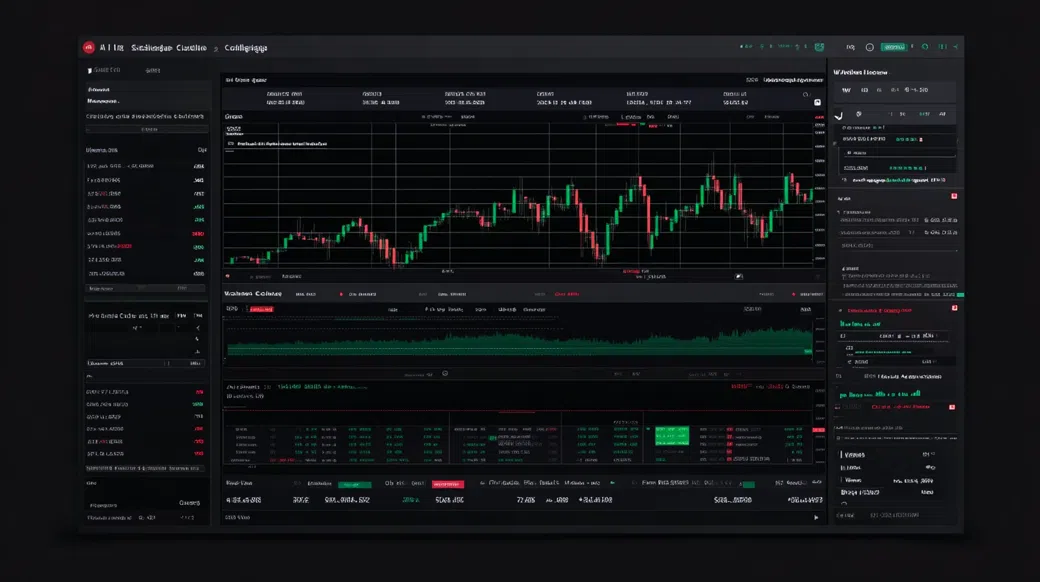
The platform stack most associated with this type of broker is a proprietary WebTrader with a companion iOS/Android app. Expect serviceable charting (multiple timeframes, basic indicators, drawing tools) and the essentials—market/limit/stop orders, simple watchlists, and a positions tab with margin and P&L. Where the ceiling shows up is depth: fewer advanced order types, limited analytics, and a lighter workflow for strategy testing. Mobile parity is often decent for monitoring and closing trades, but precision work (multi-chart layouts, indicator stacking, order-management hotkeys) can feel constrained. The account dashboard typically emphasizes deposits, withdrawals, and KYC status rather than rich execution diagnostics.
Trading Fees, Spreads, and Account Types at Fondaurance
Cost structure in offshore CFD land is usually spread-led. A reasonable expectation for a “Standard” style account is EUR/USD around 2.0 pips in typical conditions, with wider prints during volatility. Some brokers in this tier also advertise a lower-spread or “Raw/ECN-like” tier—often 0.0–0.4 pips plus a commission in the ballpark of $6–$8 round-turn per standard lot—though the real test is whether fills stay consistent when the market moves. Overnight swap/financing is part of the deal for held positions, and traders should watch for non-trading charges such as withdrawal fees, currency conversion, or inactivity policies. Minimum deposit is commonly about $250, and maximum leverage often reaches roughly 1:500—powerful, but unforgiving if your margin discipline slips.
When Do Traders Start Looking for Fondaurance Alternatives?
Data shows up as “little inconveniences” before it becomes a crisis: spreads that widen at the wrong moment, withdrawals that take extra loops, or fills that look fine in calm markets and degrade during macro releases. Those are the moments traders begin scanning Fondaurance alternatives or other alternatives to the Fondaurance trading platform—not for novelty, but to reduce operational risk. Regulation is part of the story, but not the whole story; execution model and fee transparency decide whether your backtested edge survives contact with live trading. Leverage can amplify returns, yet it also compresses your error budget to almost zero.
- You need MT4/MT5 or cTrader for automation (EAs), advanced order handling, or a workflow that a basic WebTrader can’t replicate.
- Your strategy is spread-sensitive (scalping, intraday mean reversion), and ~2.0 pips on EUR/USD makes the math unattractive at your monthly volume.
- Withdrawals feel unpredictable, or the process repeatedly routes you through extra verification steps beyond normal KYC/AML expectations.
- You want real equities/ETFs (ownership exposure) rather than stock CFDs, especially for longer-term investing or tax reporting clarity.
How to Choose a Reliable Alternative to the Fondaurance Trading Platform
Think of broker selection like building a risk budget: you’re allocating trust across custody, execution, and pricing. The cleanest comparison comes from testing what you can verify (regulatory registers, fee schedules, platform capabilities) and what you can measure (spread snapshots, slippage on market orders, time-to-withdrawal). For platforms like Fondaurance, the step-change in quality usually comes from moving to tier-1 regulation and a platform stack that supports your strategy rather than fighting it.
Regulation, Safety, and Investor Protection
Start with regulators you can actually look up: FCA (UK), ASIC (Australia), CySEC (EU), and NFA/CFTC (US). FCA-regulated firms may fall under FSCS protection (up to £85,000 in eligible cases), while CySEC-linked entities can involve the ICF (up to €20,000). None of that prevents trading losses—but it changes the dispute and insolvency framework. Also check whether the broker states segregated client funds and negative balance protection where applicable; those details matter more than a glossy homepage.
Available Markets and Instruments
Match instruments to intent. If you trade FX and index CFDs only, a specialized FX/CFD broker can be efficient. If you want stocks, ETFs, options, futures, and bonds in one place, a multi-asset venue is usually a better fit than “CFDs for everything.” Be precise about what you’re buying: stock CFDs track price but don’t give shareholder rights; crypto CFDs give price exposure but not on-chain ownership or withdrawals to a wallet. That distinction is central when comparing regulated options vs Fondaurance.
Trading Costs: Spreads, Commissions, and Other Fees
Headline spreads are the appetizer; round-turn cost is the meal. For active FX traders, compare (spread in pips × pip value) plus commission per lot, then add expected slippage during your trading hours. Overnight swap/financing can dominate costs for swing positions, while inactivity fees can quietly punish low-frequency accounts. If you’re leaving Fondaurance because pricing feels “fine but not great,” run the numbers over a month of your typical volume—small pip differences compound quickly.
Platforms, Tools, and Execution Quality
Platform choice is really a proxy for execution and control. MT4/MT5 and cTrader support automation, custom indicators, and a mature ecosystem; proprietary platforms can be smooth, but you’re locked into their tooling and data exports. Ask how orders are routed: market maker, STP/ECN, or DMA. Then test it. Place identical small trades around liquid sessions and compare fills, partials, and slippage. A broker can be regulated and still deliver mediocre execution, so measure both.
Support, Education, and Overall User Experience
Support quality shows up when something breaks: platform outages, KYC flags, or margin questions during volatility. Look for clear hours (and time zones), multilingual coverage if you need it, and a documented process for complaints. Education matters too, but not as “market hype”—you want risk tools, margin calculators, and transparent product docs. Mobile parity is also practical: if you can’t manage stops and margin on the go, you’re carrying hidden risk.
Fondaurance and Different Asset Classes: When Alternatives May Be Better
Fondaurance Forex and CFD Trading
On pure FX/CFDs, the trade-off is usually leverage and simplicity versus cost and execution transparency. A typical offshore setup like Fondaurance tends to list ~30–50 FX pairs and headline leverage around 1:500, with EUR/USD commonly near ~2.0 pips on a standard-style account. That spread level is survivable for swing trading, but it’s expensive for frequent entries, and it magnifies the impact of slippage. If you care about repeatable fills and tighter all-in pricing, FX/CFD specialists such as Pepperstone or IC Markets (depending on entity and region) are commonly chosen because they offer MT4/MT5/cTrader and account structures where spreads can be very tight on commission-based tiers. The “better” choice is the one where your round-turn cost and execution variance fit your strategy’s expected edge.
Fondaurance Stock and ETF Trading
Stocks and ETFs are where many brokers similar to Fondaurance leave a gap. Offshore CFD-first venues often offer equity exposure primarily as CFDs (if they offer it at all), which means you’re trading a derivative: no shareholder rights, no direct exchange ownership, and financing costs if you hold long CFD positions. For traders who want genuine multi-asset access—real shares, ETFs, options, futures, bonds—Interactive Brokers is often the baseline comparison because it provides broad market access and a pro-grade toolchain. Saxo Bank is another frequent choice for multi-asset traders who want a strong platform layer and wide instrument coverage. If “investing” is part of your plan, this is the pivot point where top substitutes for Fondaurance stop being CFD venues and start being true multi-asset brokers.
Fondaurance Crypto Trading
Crypto on CFD platforms is usually about price exposure, not on-chain utility. With Fondaurance, crypto is best thought of as crypto CFDs: you can go long/short with leverage, but you’re not withdrawing BTC/ETH to a wallet, and you’re not interacting with networks or staking. That’s fine for short-term speculation—until volatility hits and margin calls cascade. For regulated alternatives, IG and Plus500 are widely known for offering crypto CFDs in many regions (availability varies by jurisdiction), with clearer risk disclosures and established compliance. The key comparison is not “who lists the most coins,” but who handles extreme moves with stable execution, transparent margin rules, and a regulator you can hold accountable. For anyone searching best Fondaurance alternatives 2026 specifically for crypto exposure, decide first: CFD trading or actual ownership; the answer changes the shortlist.
Best Fondaurance Alternatives for 2026: Comparison of Top Trading Platforms
Interactive Brokers (IBKR): Key Facts and How It Compares to Fondaurance
Regulation: SEC/FINRA (US), FCA (UK), IIROC (Canada) (entity depends on region)
Markets: Stocks, ETFs, options, futures, bonds, FX, funds
Fees: FX pricing is typically spread + commission model; equity commissions vary by market/plan (not a CFD spread-only setup)
Platform: Trader Workstation (TWS), IBKR Desktop/Mobile, Client Portal, API tools
Best For: Data-heavy multi-asset traders who want real market access
Pepperstone: Key Facts and How It Compares to Fondaurance
Regulation: FCA (UK), ASIC (Australia), CySEC (EU), DFSA (Dubai)
Markets: FX, CFDs (indices, commodities, some crypto CFDs depending on entity)
Fees: Standard spreads commonly around ~1.0+ pip on EUR/USD; Razor/Raw-style pricing often targets ~0.0–0.3 pips + commission per lot (varies by platform/entity)
Platform: MT4, MT5, cTrader, TradingView integration (availability varies)
Best For: Systematic FX traders optimizing for tight all-in costs
Saxo Bank: Key Facts and How It Compares to Fondaurance
Regulation: FCA (UK), MAS (Singapore), DFSA (Dubai)
Markets: Stocks, ETFs, options, futures, FX, bonds, CFDs
Fees: Pricing varies by tier; FX spreads are typically competitive with volume-based benefits; equities have commission schedules by exchange
Platform: SaxoTraderGO, SaxoTraderPRO
Best For: Portfolio-style traders mixing CFDs with exchange-traded assets
OANDA: Key Facts and How It Compares to Fondaurance
Regulation: CFTC/NFA (US), FCA (UK), ASIC (Australia), IIROC (Canada)
Markets: FX (and CFDs in certain non-US regions), metals and index CFDs depending on jurisdiction
Fees: Typically spread-based; EUR/USD often around ~1.0–1.6 pips on standard pricing (varies by region and market conditions)
Platform: OANDA web/mobile, MT4 (availability varies by region)
Best For: US-eligible FX traders who prioritize regulatory clarity
CMC Markets: Key Facts and How It Compares to Fondaurance
Regulation: FCA (UK), ASIC (Australia), BaFin (Germany)
Markets: CFDs (FX, indices, commodities, shares/ETFs as CFDs)
Fees: Often competitive CFD pricing with tight headline spreads on major FX pairs; costs vary by instrument and region
Platform: Next Generation platform, mobile app (MT4 offered in some regions)
Best For: Active CFD traders who want robust charting and research
Plus500: Key Facts and How It Compares to Fondaurance
Regulation: FCA (UK), CySEC (EU), ASIC (Australia), MAS (Singapore)
Markets: CFDs (FX, indices, commodities, shares, crypto CFDs where permitted)
Fees: Spread-based pricing; typical costs depend on instrument and volatility, plus overnight funding for held CFD positions
Platform: Plus500 proprietary WebTrader and mobile app
Best For: Beginners who want a simple CFD interface with tier-1 oversight
Comparison Summary
| Platform | Regulation | Main Markets | Typical Costs | Best For |
|---|---|---|---|---|
| Interactive Brokers (IBKR) | SEC/FINRA, FCA, IIROC (region/entity dependent) | Stocks/ETFs/options/futures/bonds/FX | Commission schedules; FX spread+commission model (varies) | Data-heavy multi-asset traders who want real market access |
| Pepperstone | FCA, ASIC, CySEC, DFSA | FX + CFD suite (indices/commodities; some crypto CFDs by entity) | ~0.0–0.3 pip + commission on Raw/Razor; ~1.0+ pip on Standard | Systematic FX traders optimizing for tight all-in costs |
| Saxo Bank | FCA, MAS, DFSA | Multi-asset (stocks/ETFs/options/futures/FX/CFDs) | Tiered pricing; spreads/commissions depend on product and volume | Portfolio-style traders mixing CFDs with exchange-traded assets |
| OANDA | CFTC/NFA, FCA, ASIC, IIROC | FX-first (plus CFDs in some non-US regions) | Mostly spread-based; EUR/USD often ~1.0–1.6 pips (varies) | US-eligible FX traders who prioritize regulatory clarity |
| CMC Markets | FCA, ASIC, BaFin | CFDs across FX/indices/commodities/shares | Competitive CFD spreads; instrument-dependent, plus overnight funding | Active CFD traders who want robust charting and research |
| Plus500 | FCA, CySEC, ASIC, MAS | CFDs (FX/indices/commodities/shares; crypto CFDs where allowed) | Spread-only quoting; overnight funding on held CFDs | Beginners who want a simple CFD interface with tier-1 oversight |
How to Safely Move from Fondaurance to Another Broker
A broker switch is easiest when you treat it like a controlled migration, not an emotional exit. You’re moving your capital, your strategy, and your operational assumptions at the same time—so isolate variables. Verify the new venue first, reduce exposure during the transition, and keep clean records. If you’re trading leveraged CFDs, remember the uncomfortable truth: one bad fill during the move can erase weeks of careful execution.
- Confirm the new broker’s authorization on the regulator’s own database (FCA Register, ASIC Connect, CySEC register, or NFA BASIC) and match the legal entity name to the account-opening documents.
- Open the new account and complete KYC before touching your old setup; ID and proof-of-address checks can create delays if done under time pressure.
- Flatten risk on your existing account by closing open positions rather than expecting transfers—most retail brokers don’t support position portability across firms.
- Withdraw funds using the same payment rails you used to deposit to satisfy AML controls; with Fondaurance, keep screenshots/receipts of requests and confirmations.
- Export trade history, statements, and tax-relevant reports before you disengage; you want immutable records if a dispute or audit question appears later.
Ready to Explore Fondaurance?
If you’re still evaluating your options, review the current onboarding flow and the platform features side-by-side with regulated substitutes for Fondaurance. Regional eligibility, leverage limits, and product availability can change by entity, so confirm the exact terms you’d receive before funding an account.
Visit FondauranceFAQ: Fondaurance Alternatives and Trading Platforms
What is the best alternative to Fondaurance in 2026?
The best option depends on whether you need real multi-asset access or mainly FX/CFDs. For exchange-traded stocks/ETFs and professional tooling, Interactive Brokers or Saxo Bank are strong picks; for FX/CFD cost and platform flexibility (MT4/MT5/cTrader), Pepperstone is a common shortlist name. If your priority is a simplified CFD experience under tier-1 oversight, Plus500 or CMC Markets can fit that lane.
Is Fondaurance a safe broker/platform?
Fondaurance appears to operate in an offshore/unregulated style framework rather than under top-tier regulators like the FCA, ASIC, CySEC, or NFA. That doesn’t automatically mean fraud, but it does mean fewer formal investor-protection layers (such as FSCS/ICF-style compensation) and typically less transparent oversight. If safety is your first constraint, prioritize regulated alternatives and verify the exact legal entity on the regulator’s public register.
Can I trade stocks, futures, or crypto with Fondaurance?
With Fondaurance, the typical offering is forex and CFDs, with crypto exposure commonly provided as crypto CFDs rather than on-chain ownership. Stocks and ETFs—if present—are often CFDs (derivative exposure), while exchange-traded futures access is usually a feature of multi-asset brokers like Interactive Brokers or Saxo rather than offshore CFD venues. If your goal is real stock/ETF ownership or listed futures, look beyond brokers similar to Fondaurance.
What should I check before switching from Fondaurance to another platform?
Before switching, verify regulation on the official register (FCA/ASIC/CySEC/NFA), confirm product availability for your region, and compare round-turn trading costs rather than “from” spreads. Test execution with small orders to observe slippage and platform stability, then only scale capital after withdrawals and support responsiveness look predictable. Also download statements and trade history so your records don’t depend on a single login.
About the Author: Alice Wu is a data scientist and active market participant who evaluates brokers the way she evaluates networks: by tracing flows, measuring friction, and validating claims against observable data. Her reporting focuses on execution quality, fee mechanics, and risk controls—because in trading, narratives change fast, but the numbers keep their receipts.