Fýnosovna Trading Platform Alternatives 2026
Compare Fýnosovna alternatives for 2026: regulated brokers, fees, platforms (MT4/MT5/cTrader), asset access, and a safer migration checklist for traders.
Fýnosovna Trading Platform Alternatives 2026: Reliable Options for Online Traders
Price is the loudest signal, but it isn’t the cleanest one. When I audit trading risk, I start where the marketing can’t easily edit the story: transaction behavior, funding rails, and the frictions people report when money moves in and out. That lens matters if you’re evaluating Fýnosovna and comparing it with more established venues. Fýnosovna appears to sit in the offshore CFD/FX segment, typically centered on a proprietary WebTrader plus a mobile app, with high available leverage (commonly around 1:500 in this category) and a minimum deposit that often lands near $250. Costs are usually expressed as spread-first pricing—think EUR/USD around 2.0 pips on a standard-style setup—while “raw” style accounts (if offered) tend to shift cost into commission plus tighter spreads.
That package can be attractive for short-horizon traders chasing margin efficiency. Yet the same profile is where avoidable risk concentrates: weaker investor-protection frameworks, fewer transparency anchors around execution quality, and less clarity on how client funds are handled. That’s why this guide focuses on Fýnosovna alternatives with clearer regulatory oversight, more robust platform stacks (MT4/MT5/cTrader or institutional-grade proprietary systems), and better tooling for disciplined risk controls. The goal isn’t to label any platform “good” or “bad” in a vacuum—it’s to help you match your strategy to a broker’s rules, costs, and protections, so the hidden variables don’t become the trade.
Disclaimer: This article is for informational purposes only and does not constitute investment advice. CFDs and other leveraged products can move against you quickly and may result in losses exceeding expectations.
Key Takeaways (TL;DR)
- Offshore-style CFD brokers often advertise high leverage, but regulated substitutes usually win on account protections (segregated funds, compensation schemes, enforceable complaints paths).
- Compare “round-turn” cost (spread + commission + swap) instead of headline spreads; a 0.5–1.0 pip difference compounds fast for active FX traders.
- If you migrate, get the new account KYC-approved first, then withdraw using the original funding method to avoid AML-related delays.
What Is Fýnosovna and How Does Its Trading Platform Work?
In this segment of the market, the product is usually CFDs first: forex pairs, index CFDs, commodity CFDs, and often crypto CFDs—wrapped inside a broker-operated dealing environment rather than direct market access. Fýnosovna fits that general shape more than it resembles a full multi-asset custodian. Publicly observable patterns for similar providers suggest an offshore registration footprint (commonly under Seychelles FSA in this tier), high maximum leverage (around 1:500), and a retail audience that prioritizes quick onboarding and simple UI over deep market microstructure features. If you’re comparing brokers similar to Fýnosovna, the practical question is whether the platform and legal framework match the kind of risk you’re actually taking with leveraged derivatives.
Fýnosovna Web Trading Platform: Core Features and Tools
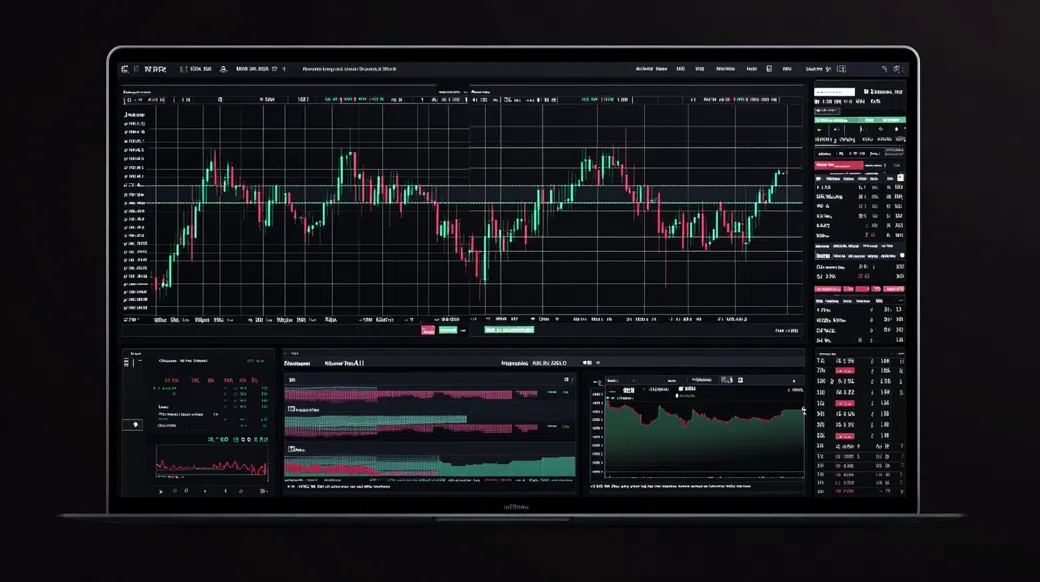
The typical proprietary WebTrader experience in this category focuses on convenience: browser-based charts, one-click trading, and an account dashboard that keeps deposits/withdrawals front and center. Charting is usually serviceable rather than research-grade—expect standard indicators, basic drawing tools, multiple timeframes, and a watchlist workflow that’s optimized for fast scanning. Order types tend to cover market/limit/stop, with fewer conditional orders than advanced platforms. Mobile parity is often decent for monitoring and closing risk, but deeper tasks—exporting history, granular slippage review, or strategy testing—are rarely first-class features. That gap is where alternatives to the Fýnosovna trading platform often differentiate, especially for systematic traders.
Trading Fees, Spreads, and Account Types at Fýnosovna
For cost expectations, offshore CFD brokers commonly run spread-led pricing on a “Standard” tier, with EUR/USD typically around 2.0 pips in normal conditions. Some also advertise a tighter-spread tier (raw/ECN-style) where spreads may compress toward 0.0–0.4 pips, then reappear as commission—often roughly $6–$8 round-turn per standard lot. Beyond headline spreads, swap/overnight financing can dominate the P&L of longer holds, and fees like inactivity charges or withdrawal processing costs can show up where traders least expect them. Cost analysis is more reliable when you translate everything into a single round-turn number per trade, rather than comparing banners.
When Do Traders Start Looking for Fýnosovna Alternatives?
Data rarely whispers before it screams: the first sign is often friction—unexplained execution differences during volatility, funding delays, or rules that tighten right when you need flexibility. That’s typically when traders begin searching for Fýnosovna alternatives, not because they want a different logo, but because they want a different set of constraints. Leverage and a low barrier to entry can feel efficient until a margin call forces decisions at the worst possible time. If your strategy depends on repeatability—same fills, same margin policy, same protections—then regulated options vs Fýnosovna become less about “features” and more about controllable outcomes.
- You need MT4/MT5 or cTrader to run an EA or systematic workflow, but your current WebTrader can’t support it reliably.
- You want an execution model with clearer disclosures (STP/ECN/DMA where applicable) because slippage during news events is distorting backtests.
- Your trading plan requires real stocks/ETFs (ownership) rather than stock CFDs that carry financing costs and no shareholder rights.
- You’re scaling position size and want stronger account safeguards like negative balance protection and segregated client funds under a top regulator.
How to Choose a Reliable Alternative to the Fýnosovna Trading Platform
Think of broker selection as a risk-budget exercise: you’re not only choosing spreads, you’re choosing legal remedies, product design, and failure modes. The best Fýnosovna alternatives 2026 are the ones whose rules you can verify independently—on regulator registers, in product disclosure statements, and in margin policy documents—before capital touches the account.
Regulation, Safety, and Investor Protection
Start with the regulator, then work inward. FCA (UK), ASIC (Australia), CySEC (Cyprus/EU), and NFA/CFTC (US) each impose distinct standards on marketing, leverage limits, and complaint handling. Investor compensation also varies: the UK’s FSCS can cover eligible clients up to £85,000, while Cyprus’ ICF coverage can reach up to €20,000 under qualifying conditions. Look for segregated client funds language and whether negative balance protection applies. These aren’t slogans—they define what happens when things go wrong.
Available Markets and Instruments
Match instruments to intent. FX and index CFDs are fine for short-duration macro views; long-horizon portfolios generally need real stocks/ETFs, and active hedgers may need listed options or futures. Many platforms like Fýnosovna emphasize CFDs because they’re margin-efficient, but that also means financing costs, counterparty exposure, and sometimes limits on corporate actions. If you want multi-asset breadth, prioritize brokers that combine equities, ETFs, and derivatives in the same account.
Trading Costs: Spreads, Commissions, and Other Fees
Costs live in three places: spread, commission, and carry. A trader doing 200 round-turn lots per month will feel a 1.0 pip difference far more than a slightly higher headline leverage cap. Compare round-turn cost-of-trade: spread (in pips) converted to dollars per lot, plus commission, plus any typical swap/overnight fee for your holding period. Also scan for inactivity fees and withdrawal charges—small “fixed” fees can be disproportionately painful for smaller accounts.
Platforms, Tools, and Execution Quality
Platform choice is strategy choice. MT4/MT5 are common for EAs and indicator ecosystems; cTrader tends to appeal to execution-focused traders who want a modern DOM and cleaner workflow; proprietary platforms vary from basic WebTrader shells to high-end suites. Execution model matters: market maker setups can be fine, but you want disclosures and predictable handling during volatility. Watch for slippage stats, order rejection policies, and latency sensitivity if you scalp or trade news.
Support, Education, and Overall User Experience
Support is a trading feature when you’re under margin pressure. Evaluate hours (24/5 vs extended), language coverage (US/EU time zones matter), and the practical quality of responses—do they answer in policies and timestamps, or in vague reassurance? Education is useful only if it’s specific: margin rules, swap calculations, and platform tutorials that reduce operational errors. A solid mobile app should mirror risk controls (stops, alerts, position sizing), not just price charts.
Fýnosovna and Different Asset Classes: When Alternatives May Be Better
Fýnosovna Forex and CFD Trading
FX and CFDs are the natural home field for offshore brokers: you’ll often see 30–50 forex pairs, 8–15 indices, and a handful of commodities, paired with high leverage (around 1:500). The trade-off is that costs and execution quality can be harder to validate—especially around fast markets where slippage and requotes decide the real P&L. Regulated FX/CFD specialists like Pepperstone and OANDA tend to compete on tighter, more transparent pricing and clearer rulebooks. Pepperstone is often chosen by traders who want MT4/MT5/cTrader flexibility, while OANDA is frequently used by traders who value robust reporting and regulator-facing oversight (including NFA/CFTC in the US). If your edge is small—scalping, mean reversion, short-term momentum—execution consistency can matter more than leverage headroom.
Fýnosovna Stock and ETF Trading
Stock exposure is where “CFD-first” brokers usually show their limits. Even when stock instruments appear, they’re commonly stock CFDs rather than ownership, which means financing costs for holds, no voting rights, and a product design that’s structurally different from investing. Multi-asset brokers close that gap. Interactive Brokers (IBKR) is a go-to for real equities/ETFs, options, futures, and global market access under major regulators (SEC/FINRA in the US, FCA in the UK, IIROC in Canada). Saxo Bank is another strong choice for multi-asset coverage and research-grade tooling, particularly for traders who want a single account spanning FX, equities, ETFs, and listed derivatives. For anyone building a portfolio alongside shorter-term trades, competitors to Fýnosovna that support real custody can reduce product friction and surprise fees.
Fýnosovna Crypto Trading
Crypto is frequently offered in this tier as CFDs: you get price exposure, not on-chain ownership. That distinction matters. With CFDs, there’s no wallet, no ability to withdraw assets to self-custody, and your risk is concentrated in the broker relationship plus the derivative’s funding costs and margin policy. If you only need directional exposure, regulated venues such as IG and Plus500 often provide crypto CFDs (jurisdiction-dependent) with clearer consumer protections and standardized risk disclosures. The practical check is whether you need “crypto the asset” (on-chain transfer, custody control) or “crypto the price.” If it’s the latter, regulated options vs Fýnosovna can offer a more enforceable framework when volatility spikes and margin rules tighten.
Best Fýnosovna Alternatives for 2026: Comparison of Top Trading Platforms
Interactive Brokers (IBKR): Key Facts and How It Compares to Fýnosovna
Regulation: SEC/FINRA (US), FCA (UK), IIROC (Canada) (entity depends on your region)
Markets: Stocks, ETFs, options, futures, bonds, FX (spot), some CFDs outside the US
Fees: FX is typically tight/low-markup; equities pricing varies by market and tier—best evaluated via commission schedules rather than spread ads
Platform: Trader Workstation (TWS), IBKR Desktop/Mobile, Client Portal, APIs
Best For: Data-driven multi-asset traders who need real market access
Pepperstone: Key Facts and How It Compares to Fýnosovna
Regulation: FCA (UK), ASIC (Australia), CySEC (EU), DFSA (Dubai)
Markets: FX and CFDs (indices, commodities, some crypto CFDs depending on region)
Fees: EUR/USD often ~0.0–0.3 pips on Razor/Raw-style pricing plus commission; ~1.0+ pip typical on Standard-style pricing
Platform: MT4, MT5, cTrader, TradingView integrations (region-dependent)
Best For: Execution-focused FX traders running MT4/MT5/cTrader
Saxo Bank: Key Facts and How It Compares to Fýnosovna
Regulation: FCA (UK), MAS (Singapore), DFSA (Dubai) (entity depends on region)
Markets: Stocks, ETFs, bonds, FX, options, futures, CFDs
Fees: Pricing is tiered; FX spreads are typically competitive at higher tiers, while equity commissions depend on venue and account level
Platform: SaxoTraderGO, SaxoTraderPRO
Best For: Serious investors who want research-grade tools and broad markets
OANDA: Key Facts and How It Compares to Fýnosovna
Regulation: CFTC/NFA (US), FCA (UK), ASIC (Australia), IIROC (Canada)
Markets: FX (core), CFDs in some regions (indices/commodities; availability varies)
Fees: Commonly spread-based; EUR/USD often around ~0.6–1.2 pips depending on account type and region
Platform: OANDA Web, Mobile, MT4 (availability varies), APIs
Best For: Rulebook-first traders who prioritize reporting and oversight
IG: Key Facts and How It Compares to Fýnosovna
Regulation: FCA (UK), ASIC (Australia), MAS (Singapore)
Markets: CFDs (indices, FX, shares, commodities), spread betting (UK/IE), crypto CFDs where permitted
Fees: Typically spread-led pricing; costs vary by market—best compared using published minimums and typical spreads during liquid hours
Platform: IG Trading Platform, L2 Dealer (region-dependent), MT4 (region-dependent)
Best For: Macro CFD traders who want strong market coverage
Plus500: Key Facts and How It Compares to Fýnosovna
Regulation: FCA (UK), CySEC (EU), ASIC (Australia), MAS (Singapore)
Markets: CFDs (FX, indices, commodities, shares; crypto CFDs where permitted)
Fees: Spread-based pricing; typical FX spreads are generally wider than raw-account specialists, offset by a simple fee structure for many users
Platform: Plus500 proprietary WebTrader and mobile app
Best For: Beginners who want a clean CFD interface and tight guardrails
Comparison Summary
| Platform | Regulation | Main Markets | Typical Costs | Best For |
|---|---|---|---|---|
| Interactive Brokers (IBKR) | SEC/FINRA, FCA, IIROC | Real stocks/ETFs, options, futures, bonds, FX | Commission schedules; FX typically tight/low-markup | Data-driven multi-asset traders who need real market access |
| Pepperstone | FCA, ASIC, CySEC, DFSA | FX + CFDs | Raw: ~0.0–0.3 pips + commission; Standard: ~1.0+ pip | Execution-focused FX traders running MT4/MT5/cTrader |
| Saxo Bank | FCA, MAS, DFSA | Stocks/ETFs, FX, options, futures, CFDs | Tiered; spreads/commissions vary by account level and venue | Serious investors who want research-grade tools and broad markets |
| OANDA | CFTC/NFA, FCA, ASIC, IIROC | FX-first; CFDs in some regions | Often ~0.6–1.2 pips on EUR/USD (region/account dependent) | Rulebook-first traders who prioritize reporting and oversight |
| IG | FCA, ASIC, MAS | Broad CFDs; spread betting (UK/IE) | Typically spread-led; varies widely by instrument/liquidity | Macro CFD traders who want strong market coverage |
| Plus500 | FCA, CySEC, ASIC, MAS | CFDs across FX/indices/commodities/shares | Spread-based; generally wider than raw-account specialists | Beginners who want a clean CFD interface and tight guardrails |
How to Safely Move from Fýnosovna to Another Broker
Migration is operational risk disguised as housekeeping. Treat it like you’d treat a production deployment: verify inputs, create backups, then change one thing at a time. If you’re moving away from Fýnosovna, the biggest avoidable mistakes are closing positions too late, failing KYC on the new account, or triggering AML delays by withdrawing to a different payment rail. Keep position sizing small during the transition—leverage magnifies errors just as efficiently as it magnifies trades.
- Confirm the new broker’s authorization on the regulator’s public register (FCA Register, ASIC Connect, CySEC listings, or NFA BASIC) and make sure the legal entity matches your account application.
- Create the new account and complete KYC/AML early (government ID + proof of address). Don’t wait until you need a withdrawal to discover verification issues.
- Export your trade history, statements, and funding records from the old platform while you still have full dashboard access; you’ll want these for reconciliation and tax reporting.
- Flatten open exposure before switching. Brokers rarely transfer open CFD positions between firms, so plan to close and re-establish trades rather than assume portability.
- Withdraw funds using the same method you used to deposit when possible; many brokers enforce this as an AML control, and mismatches are a common cause of delays.
Ready to Explore Fýnosovna?
If you’re still assessing fit, review current onboarding steps, supported regions (the US is typically restricted), and the platform stack before committing capital. Compare trading conditions side-by-side with the regulated substitutes above so you’re choosing based on verifiable rules—not vibes.
Visit FýnosovnaFAQ: Fýnosovna Alternatives and Trading Platforms
What is the best alternative to Fýnosovna in 2026?
The best alternative depends on what you’re trading and how you execute. For real stocks/ETFs and broad global access, Interactive Brokers (IBKR) is hard to beat; for FX/CFD traders who need MT4/MT5/cTrader, Pepperstone is a common choice. If you want a simpler regulated CFD experience, Plus500 or IG can be a better match than many offshore-style platforms.
Is Fýnosovna a safe broker/platform?
Fýnosovna appears to operate in an offshore framework (commonly associated with Seychelles FSA in this segment), which generally offers fewer investor-protection mechanisms than FCA/ASIC/CySEC/NFA regimes. That doesn’t automatically mean a platform is fraudulent, but it does change your risk surface: dispute resolution, compensation coverage, and enforcement pathways are typically weaker. If safety is your priority, pick regulated options vs Fýnosovna and verify the exact legal entity on the regulator’s register.
Can I trade stocks, futures, or crypto with Fýnosovna?
In offshore CFD-first setups, stock and crypto exposure is often offered as CFDs rather than ownership, and listed futures are frequently not offered to retail users. Forex and index/commodity CFDs are usually the core instruments, with crypto CFDs sometimes available. If you need real stocks/ETFs or listed futures, brokers similar to Fýnosovna typically fall short compared with IBKR or Saxo Bank.
What should I check before switching from Fýnosovna to another platform?
Before switching, verify regulation on the official register, confirm your region’s eligibility, and compare total trading costs (spread + commission + swap) on your most-traded instruments. Open and KYC-approve the new account first, then withdraw from Fýnosovna using the original funding method to reduce AML friction. Finally, test execution with small size; slippage and margin behavior are easiest to judge with real orders, not screenshots.
About the Author: Alice Wu is a data scientist and market analyst who triangulates broker claims against observable behavior—funding patterns, execution consistency, and risk controls. She writes as a practitioner: the market can narrate anything, but the data keeps receipts. Her work focuses on helping traders choose platforms where the rules are explicit and enforceable.