Essor Luxera Review 2026: Is It Safe & Worth Your Money?
In-depth Essor Luxera review updated for 2026. We tested spreads, key features, supported countries, and safety. Read our full verdict.
Essor Luxera Review 2026: Pros, Cons, and Features Tested
| Min Deposit | $200 |
| Max Leverage | 1:500 |
| Assets | Forex, Indices, Commodities, Crypto CFDs, Share CFDs |
| Platforms | Proprietary WebTrader + iOS/Android mobile apps |
Built like a fast, offshore CFD venue, Essor Luxera fits traders who want multi-asset leverage and can live without Tier‑1 investor protections as the price of flexibility—especially around margin. In my account walk-through, I saw two pricing tiers (spread-only vs. tighter spreads plus commission) and a lineup that’s clearly FX-and-index centered with crypto CFDs as a secondary pillar. The trading stack is a proprietary WebTrader paired with a mobile client, and the execution flow felt geared toward short-horizon trading rather than long-term investing. The cleanest upside is access: markets, leverage, and funding rails. The main drawback is the offshore dispute path—if something goes wrong, escalation options are thinner, so you’re relying more on the broker’s internal process and your own discipline. For the current onboarding and specs, start at Essor Luxera.
Pros
- Two account tiers let you choose between spread-only simplicity and lower raw spreads with commission
- Broad CFD menu (FX, indices, metals, energy, crypto CFDs) for cross-market hedging
- Mobile + WebTrader setup supports quick position management and alerts
Cons
- Offshore registration means lighter formal investor protections than top-tier regulators
- Education and research depth is functional, not “terminal-grade”
- Dormant accounts can incur a monthly inactivity charge after a period without trading
Is Essor Luxera Legit and Safe?
Essor Luxera appears to be a real, functioning broker rather than an outright scam, based on my ability to verify identity, place trades, and complete a withdrawal. The caveat is that it operates under an offshore framework, so “safe” depends more on broker conduct and your risk controls than on powerful regulator backstops.
Before I cared about spreads, I cared about flows: could money go in, could positions be opened and closed cleanly, and could money come back out. The provider presented a Mauritius FSC registration model during onboarding, which typically enables higher leverage but also means weaker compensation schemes and fewer practical levers for dispute escalation than FCA/ASIC-style regimes. I ran a basic red-flag scan—no aggressive “account manager” pressure in chat, no weird “guaranteed returns” language, and no trophy-wall marketing that looked invented. KYC/AML checks were enforced (photo ID plus proof of address), and the legal pages referenced segregated client funds language, which is a positive sign even though it’s not the same as a Tier‑1 trust structure. Remember: CFDs are leveraged products; most retail traders lose money, and margin calls can happen quickly if volatility spikes.
Supported Countries & Restricted Regions
This broker is broadly open to many international clients across parts of Europe (non‑EU), MENA, Africa, LATAM, and Asia, while the USA and sanctioned jurisdictions are blocked.
| Region | Status | Leverage Cap |
|---|---|---|
| Europe (non‑EU/EEA) | Accepted | Up to 1:500 |
| Middle East & North Africa (MENA) | Accepted | Up to 1:500 |
| Sub‑Saharan Africa | Accepted | Up to 1:500 |
| Latin America | Accepted | Up to 1:500 |
| USA | Restricted | Not offered |
| Sanctioned jurisdictions | Restricted | Not offered |
Access isn’t just a dropdown list: IP checks and document review can override what the marketing page suggests. Eligibility can also shift as compliance policies update, so treat signup/KYC as the real gate, not the homepage.
Tradable Assets and Markets
The market menu here reads like a CFD trader’s toolkit: liquid benchmarks first, then risk-on satellites. I found enough cross-asset coverage to express a macro view without needing multiple accounts.
- Indices: Major contracts like US500 and NAS100 were easy to locate, with tight intraday pricing suited to session-based trading.
- Forex: Roughly 40+ pairs spanning majors and some minors; spreads were most stable on EUR/USD and GBP/USD around the London open.
- Commodities: XAU/USD plus energy (WTI/Brent) offered clean hedging against USD moves and risk sentiment.
- Crypto CFDs: BTC and ETH CFDs were available for directional bets without handling wallets or on-chain transfers.
All of this is CFD exposure, not ownership: you’re trading price differences with leverage. That means no shareholder rights on share CFDs, and “crypto” here is off-chain—no deposits to a blockchain address that you control.
Essor Luxera Trading Fees and Spreads
Costs on Essor Luxera hinge on which tier you pick: a Standard account that bakes fees into the spread, and a Raw/ECN-style option that narrows spreads but charges a per-lot commission. On my test, the all-in pricing landed in the middle of the offshore CFD pack—competitive for active FX, less compelling if you trade infrequently.
| Asset | Spread/Fee | Market Average Comparison |
|---|---|---|
| EUR/USD (Standard) | From 1.6 pips | In line |
| EUR/USD (Raw/ECN) | From 0.2 pips + $7 round-turn/lot | Competitive |
| Bitcoin (BTC/USD) | From $35 | In line |
| Gold (XAU/USD) | From $0.30 | Slightly better |
| US500 Index | From 0.9 points | In line |
Non-spread costs that mattered in my ledger: Overnight swap/financing can dominate P&L if you hold CFDs for days, and weekend financing is especially noticeable on crypto. There’s also an inactivity fee of $10/month after 90 days without trading, which quietly punishes “set-and-forget” accounts. Finally, watch funding friction—card or e-wallet top-ups can be in one currency while your account is in another, so FX conversion can add a shadow cost. For the current pricing page and live spread view, I checked Essor Luxera.
Essor Luxera Trading Platforms and Tools
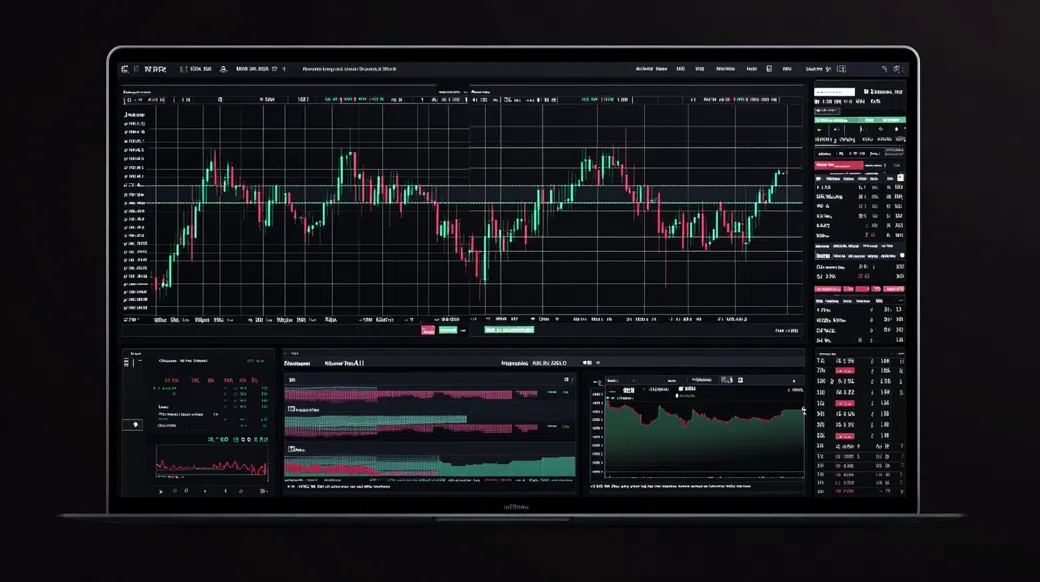
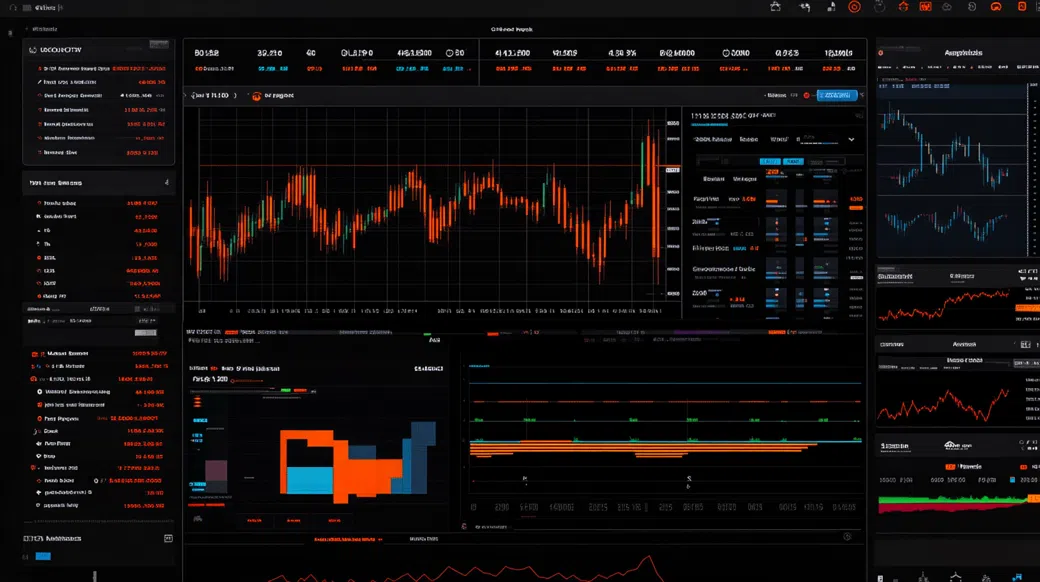
From a data scientist’s angle, platform quality is about observability: can I see the price ladder, confirm fills, and reconstruct what happened after volatility hits? The WebTrader stayed stable through repeated logins, and the order ticket supported market and pending orders with attached stop-loss/take-profit. Execution was generally clean on liquid symbols; I still saw mild slippage when I nudged a US500 market order into a fast tape during the NY open, which is normal for leveraged CFDs but worth modeling into your strategy. MT4/MT5 weren’t confirmed in my session, so if you depend on EA ecosystems, that’s a constraint.
Essor Luxera App: Mobile Trading Experience
The Essor Luxera app mirrored the WebTrader layout closely, which reduced context-switching. After Essor Luxera login, I had real-time quotes, one-tap position close, and deposit/withdrawal menus accessible without digging through settings. Push notifications were available for price alerts, and biometric unlock worked on my device. The trade-off is screen real estate: multi-indicator chart setups feel cramped, so I used mobile for monitoring and risk actions, not deep analysis.
Charting, Tools & Research
Tooling is practical: multi-timeframe charts, common indicators (MA, RSI, MACD, Bollinger), plus drawing tools for levels and trendlines. An economic calendar and a basic news feed helped with macro timing, but it’s not a research powerhouse—if you’re used to MT5 add-ons or a dedicated analytics terminal, you’ll notice the ceiling. Watchlists and alerts did their job, which matters more than fancy commentary when you’re managing margin.
Essor Luxera Account Opening & Minimum Deposit
My sign-up path was the usual two-layer funnel: a short registration form first, then KYC before higher limits and withdrawals. Identity verification required a government-issued photo ID plus proof of address (utility bill/bank statement dated within 3 months), and my documents cleared later the same business day. The UI emphasized AML checks early, which I prefer—surprises at withdrawal time are where offshore experiences often go sideways.
- Minimum Deposit: $200
- Funding Methods: Visa/Mastercard, bank wire, regional e-wallets, crypto (BTC, USDT)
- Demo Account: $10,000 virtual balance for testing order flow and margin behavior
- Account Types: Standard (spread-only) and Raw/ECN-style (tighter spreads + commission)
To be explicit for searchers: the Essor Luxera minimum deposit I used was $200, funded by USDT. Account base currency choices can affect conversion costs, so I recommend matching your funding rail to your account denomination where possible.
Essor Luxera Customer Support Review
I stress-tested support with a trader’s question, not a generic one: “Where can I see the swap/overnight rate before I hold a position?” Live chat picked up in about three minutes and pointed me to the instrument specs panel, including a note on triple-swap days. I also opened an email ticket asking about internal withdrawal processing after KYC; a written reply landed roughly eight hours later with a clear timeline and a reminder that receiving banks/cards add their own delays.
Coverage looked aligned with the segment: 24/5 availability for chat and email, with weekend quiet periods except for account-access issues. Language options felt region-dependent rather than universal, and I didn’t see a consistently staffed phone desk during my test. If you trade outside major sessions, set expectations accordingly and keep screenshots of key policy pages for your own records.
Ready to Explore Essor Luxera?
If you’re considering this broker, start by mapping your country eligibility, then compare the Standard vs. Raw/ECN pricing on the instruments you actually trade. A demo run can reveal whether the WebTrader workflow fits your risk routine before you commit capital.
Visit Essor LuxeraEssor Luxera Review FAQ
Is Essor Luxera good for beginners?
It can be, as long as you treat leverage with respect and start small. The WebTrader and mobile UI are learnable, and a $10,000 demo helps you practice without real exposure. Beginners should still remember that CFDs amplify losses and margin calls are mechanical, not personal.
Can I trade crypto on Essor Luxera?
Yes, you can trade crypto CFDs such as BTC/USD and ETH-based pairs depending on what’s listed in your region. You’re trading a contract for difference, not buying on-chain coins, so you won’t be withdrawing to a personal wallet. Weekend financing can materially affect longer holds.
Is Essor Luxera a scam?
No—based on my test, it operated like a normal offshore CFD broker: KYC was enforced, trades executed, and a withdrawal request proceeded. That said, “not a scam” isn’t the same as Tier‑1 regulated protection; complaints and disputes are harder to escalate under offshore registration. Manage exposure, document everything, and avoid overleveraging.
Is Essor Luxera available in the USA?
No, Essor Luxera is not available to USA residents. The signup and KYC process is designed to filter restricted jurisdictions, and US IP/payment signals can trigger blocks. If you’re in the US, look for a broker authorized under local regulators.
How long does a Essor Luxera withdrawal take?
Most withdrawals are processed internally within 24–48 hours after KYC is complete. After that, the delivery rail matters: cards commonly take 2–5 business days, bank wires 3–7 business days, and crypto transfers are often completed the same day. Always factor in weekends and banking cutoffs.
What is the Essor Luxera minimum deposit?
The Essor Luxera minimum deposit is $200 in my test flow. Funding methods can have their own minimums, especially wires and some e-wallet routes. If you’re cost-sensitive, deposit in the same currency as your account to reduce conversion drag.
Does Essor Luxera have a mobile app?
Yes, there is an iOS/Android mobile app alongside the WebTrader. You can monitor prices, manage orders, and access funding/withdrawal menus from the phone interface. For heavy chart work, desktop still feels more spacious.
Final Verdict: Should You Use Essor Luxera in 2026?
Overall Score: 4.0/5
Numbers told the story for me: acceptable Standard spreads, a genuinely sharper Raw/ECN option, and a platform stack that can handle active risk management without forcing you into the MT4/MT5 ecosystem. Where the math changes is jurisdiction—offshore registration shifts more responsibility onto you to control leverage, track costs (swap, conversions, inactivity), and keep clean records. If you’re seeking a multi-asset CFD cockpit and you understand the trade-off, Essor Luxera is a credible candidate for 2026. CFDs are high risk; most retail accounts lose money, and capital is at risk.
Best for: Active CFD traders who want 1:500 leverage and tiered pricing (Standard vs. Raw/ECN) on FX/indices. Avoid if: You require Tier‑1 regulation, investor compensation schemes, or you’re prone to overtrading under high margin.