Cyrvemo Aqlisse Alternatives 2026: Safer Trading Options
Compare Cyrvemo Aqlisse alternatives for 2026: regulated brokers, platforms, spreads, execution, and safety checks to pick a reliable US/EU-focused option.
Cyrvemo Aqlisse Trading Platform Alternatives 2026: Reliable Options for Online Traders
On-chain flows don’t care about marketing decks. When I see traders funding accounts through payment rails that are hard to reverse, then ramping leverage on CFD positions, I start looking for the boring details: regulator, segregation, execution, and withdrawal mechanics. That’s the frame for evaluating Cyrvemo Aqlisse and, more importantly, the Cyrvemo Aqlisse alternatives that can reduce avoidable operational risk while keeping your strategy viable.
From what’s typically observable for offshore CFD venues in this category, Cyrvemo Aqlisse appears to operate under a Seychelles-style offshore framework rather than top-tier US/EU licensing. Expect a proprietary WebTrader with a matching mobile app, a forex-and-CFD product mix (often including crypto CFDs), and conditions built around high leverage—commonly up to 1:500. Costs are usually “spread-first” (for example, EUR/USD around 2.0 pips on a standard-style account), with possible higher-tier accounts that shift more of the bill into commission plus tighter raw spreads. Minimum deposits in this segment frequently sit around $250. None of that automatically makes a platform unusable, but it changes the risk math: dispute resolution, compensation schemes, and transparency are not the same as with FCA/ASIC/CySEC/NFA frameworks.
This guide to Cyrvemo Aqlisse trading platform alternatives 2026 is built for global readers with a US/EU lens. I’ll compare regulated substitutes by asset access, platform stack, and the cost-of-trade you actually pay (spread + commission + swaps), not the headline leverage.
Disclaimer: This article is for informational purposes only and does not constitute investment advice. CFDs and other leveraged products carry a high risk of loss, and you can lose more than your initial deposit in some circumstances.
Key Takeaways (TL;DR)
- Offshore, high-leverage CFD venues can be fast to open but harder to verify; regulated brokers add accountability (register checks, segregation rules, and—sometimes—compensation schemes).
- Compare round-turn trading cost (spread + commissions) and swaps; a “2.0 pip” FX spread can dominate results faster than most platform features.
- If you need real stocks/ETFs (not stock CFDs), prioritize multi-asset brokers with exchange access like IBKR or Saxo rather than CFD-only platforms.
- Move safely by opening and KYC-verifying the new broker first, exporting trade history, then withdrawing using the same funding method to reduce AML friction.
What Is Cyrvemo Aqlisse and How Does Its Trading Platform Work?
Rather than being a multi-asset venue with direct market access, Cyrvemo Aqlisse fits the pattern of a CFD-first broker aimed at retail traders who want quick onboarding, a simple interface, and leverage-heavy exposure to major FX pairs, indices, commodities, and often crypto CFDs. In practice, that usually means the broker is the counterparty (a market-maker style execution model) or routes flow internally, which can matter during volatility: spreads widen, slippage increases, and stop execution quality becomes the real “fee.” Traders comparing brokers similar to Cyrvemo Aqlisse should treat operational safeguards—segregated client funds, clear complaints processes, and regulator oversight—as a core part of the product, not an afterthought.
Cyrvemo Aqlisse Web Trading Platform: Core Features and Tools
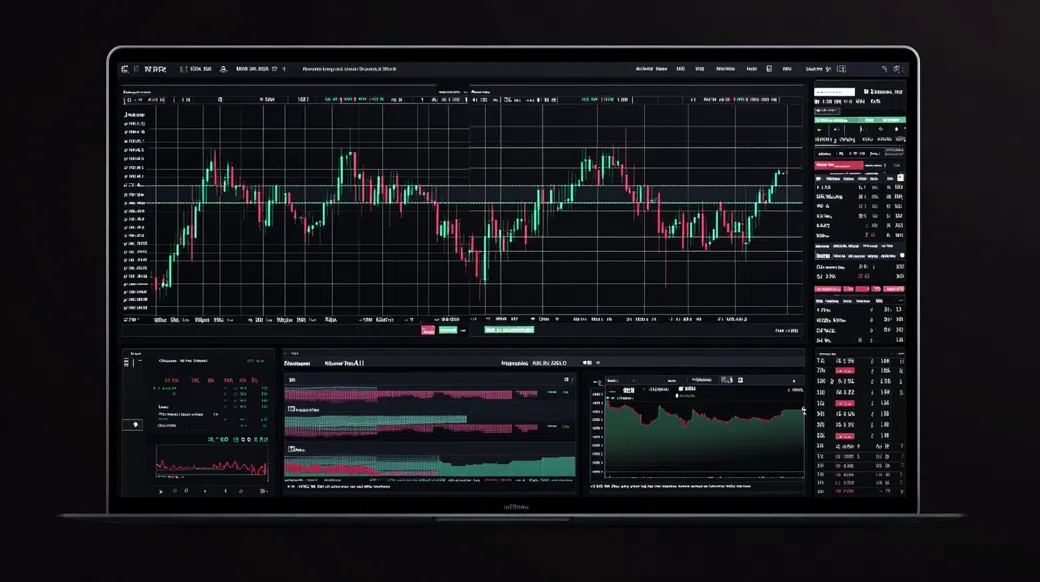
The platform stack is typically a proprietary WebTrader with basic-to-mid charting plus iOS/Android apps. Expect the essentials: watchlists, one-click trading, stop-loss/take-profit, and a handful of timeframes and indicators. Drawing tools tend to be serviceable for retail technical analysis, but power features—custom indicators, robust strategy testing, or advanced order controls—are often thinner than MT4/MT5/cTrader ecosystems. Mobile parity is usually decent for monitoring and adjusting positions, while the account dashboard focuses on margin, equity, and funding/withdrawal workflows. Execution “feels” fine in calm markets; the stress test is news events, when requotes and slippage become the difference between a planned risk budget and a surprise.
Trading Fees, Spreads, and Account Types at Cyrvemo Aqlisse
Cost structure in this segment is commonly tiered. A standard-style account often prices EUR/USD around 2.0 pips as a typical spread, while a raw/ECN-style tier (if offered) can advertise near-zero spreads (roughly 0.0–0.4 pips) paired with a commission in the neighborhood of $5–$8 per round turn. Swaps/overnight financing apply to leveraged CFD positions and can quietly dominate P&L for multi-day holds. Some offshore brokers also apply non-trading charges—withdrawal processing fees, currency conversion markups, or inactivity fees—so the true comparison requires reading the fee schedule end-to-end, not just scanning the spread line.
When Do Traders Start Looking for Cyrvemo Aqlisse Alternatives?
Data leaves footprints. When funding patterns shift from small exploratory deposits to larger, repeated top-ups—without a matching improvement in execution outcomes—that’s usually when traders begin screening Cyrvemo Aqlisse alternatives with more rigor. The trigger is rarely a single bad trade; it’s friction in the plumbing: inconsistent fills during volatility, unclear fee math (especially swaps), or withdrawal timelines that don’t match expectations. Add the structural reality that high leverage (often up to 1:500) amplifies both gains and mistakes, and “platform choice” becomes a risk-control decision, not a brand preference.
- You need MT4/MT5 or cTrader for EAs, custom indicators, or a workflow built around VPS latency, and a proprietary WebTrader can’t replicate that tooling.
- Your strategy relies on tight round-turn costs (scalping or high-frequency intraday), and a ~2.0 pip EUR/USD typical spread erodes expectancy.
- You want formal investor protections (segregated funds rules, dispute channels, compensation schemes) that offshore frameworks generally don’t mirror.
- You’re trying to trade real stocks/ETFs with shareholder rights, not stock CFDs that only mirror price movement.
- Withdrawals start requiring extra steps or repeated documentation beyond normal KYC/AML norms, creating timing risk for your capital.
How to Choose a Reliable Alternative to the Cyrvemo Aqlisse Trading Platform
Pick the broker the way you’d pick an exchange venue for a systematic strategy: define what can break, then remove single points of failure. For alternatives to the Cyrvemo Aqlisse trading platform, I weigh safety rails (regulation, segregation), cost-of-trade (spread + commission + swaps), and execution behavior under stress (slippage, rejects), before I care about UI polish.
Regulation, Safety, and Investor Protection
Start with a regulator you can verify on a public register: FCA (UK), ASIC (Australia), CySEC (EU), or NFA/CFTC (US for FX). These regimes typically enforce segregated client funds and conduct standards. Some also connect to compensation mechanisms—UK’s FSCS can cover eligible claims up to £85,000, while Cyprus’ ICF coverage can reach €20,000 for eligible retail clients. That’s not a profit guarantee, but it changes the tail risk profile when things go wrong.
Available Markets and Instruments
Write down what you actually trade, then map it to the broker’s product type. FX and index CFDs may be enough for macro traders, while portfolio builders often need real stocks and ETFs (not synthetic CFDs). Options and futures matter for hedging and defined-risk structures, and those are usually found at multi-asset venues rather than CFD-only shops. If your workflow includes crypto exposure, clarify whether you’re getting CFD price exposure or actual on-chain ownership; those are fundamentally different risk models.
Trading Costs: Spreads, Commissions, and Other Fees
Ignore the single headline number and compute round-turn cost: spread paid on entry/exit + commissions + typical slippage for your order size. Then add holding costs: swaps/overnight financing and any admin fees (inactivity, withdrawals, conversion). A “raw spread + commission” account can be cheaper for frequent traders, while a wider all-in spread can be simpler for low-frequency positioning. If your backtest doesn’t include swaps, you didn’t backtest the product you’re trading.
Platforms, Tools, and Execution Quality
Platform is strategy infrastructure. MT4/MT5 and cTrader support automation, custom indicators, and broader third-party tooling, while proprietary platforms vary widely in depth. Execution model matters too: market maker vs STP/ECN/DMA affects how orders are filled, how slippage behaves, and how stops are handled during spikes. If you’re migrating from Cyrvemo Aqlisse, test the new venue around scheduled news with small size to observe spreads, rejects, and fill timestamps—not screenshots.
Support, Education, and Overall User Experience
Support quality shows up when something breaks: deposit reversals, corporate actions on equities, platform outages, or margin disputes. Look for multilingual coverage aligned to your timezone, documented response channels, and clear escalation paths. Education is a bonus, but operational clarity is the main event: transparent margin-call rules, negative balance protection where applicable, and a mobile experience that doesn’t hide critical risk data like used margin, swap charges, and stop distance.
Cyrvemo Aqlisse and Different Asset Classes: When Alternatives May Be Better
Cyrvemo Aqlisse Forex and CFD Trading
Forex and CFDs are the natural habitat for platforms like Cyrvemo Aqlisse: a few dozen FX pairs (often ~30–50), major indices (roughly 8–15), commodities (commonly 5–10), and leverage that can reach 1:500. The tradeoff is that the quality of execution and the transparency of pricing become your edge—or your leak. If you’re sensitive to spreads and commissions, regulated FX specialists such as Pepperstone and OANDA tend to publish clearer pricing schedules and offer platform ecosystems (MT4/MT5/cTrader for Pepperstone; proprietary + MT4 for OANDA) that make it easier to measure slippage and run controlled tests. For scalpers, the difference between ~2.0 pips all-in and a raw-spread account with commission is not cosmetic; it’s expectancy.
Cyrvemo Aqlisse Stock and ETF Trading
Here’s where many offshore CFD brokers diverge from top-tier venues. If Cyrvemo Aqlisse offers equities at all, it is commonly through stock CFDs—price exposure without ownership, voting rights, or the same corporate-action handling you get with real shares. Traders who want long-term holdings, dividend processing, and exchange routing usually end up at Interactive Brokers (IBKR) or Saxo Bank, both of which focus on broad multi-asset access (stocks, ETFs, options, futures, bonds, and FX in various jurisdictions). For a data-first trader, the benefit is auditability: statements, fills, and routing reports are more standardized, making it easier to reconcile P&L and tax lots than with CFD-only constructs.
Cyrvemo Aqlisse Crypto Trading
Crypto is the easiest place for marketing to outrun reality. Offshore CFD platforms frequently provide crypto CFDs (often ~10–30 coins) that track price but never deliver on-chain assets; you can’t withdraw BTC to a wallet because you never owned it. That may be acceptable if you’re strictly trading volatility, but it adds counterparty risk on top of market risk. Regulated options vs Cyrvemo Aqlisse include brokers like IG (in permitted regions) that offer crypto CFDs under regulated entities, with clearer risk disclosures and conduct standards. If your goal is true crypto ownership, you’ll need a regulated exchange/custodian route instead of a CFD broker—different product, different protections, different failure modes.
Best Cyrvemo Aqlisse Alternatives for 2026: Comparison of Top Trading Platforms
Interactive Brokers (IBKR): Key Facts and How It Compares to Cyrvemo Aqlisse
Regulation: SEC/FINRA (US), FCA (UK), IIROC (Canada)
Markets: Stocks, ETFs, options, futures, bonds, FX
Fees: FX pricing is typically tight with commission-based schedules; equity/derivatives pricing varies by venue and tier (published rate cards)
Platform: Trader Workstation (TWS), IBKR Desktop/Mobile, Client Portal, APIs
Best For: Data-driven multi-asset traders who want exchange access
Pepperstone: Key Facts and How It Compares to Cyrvemo Aqlisse
Regulation: FCA (UK), ASIC (Australia), CySEC (EU), DFSA (Dubai)
Markets: FX and CFDs (indices, commodities, metals; availability varies by entity)
Fees: Standard spreads often around ~1.0+ pip on EUR/USD; Raw-style accounts can run ~0.0–0.3 pips plus commission (commonly ~US$6–$7 round turn)
Platform: MT4, MT5, cTrader, TradingView integration (where available)
Best For: Algorithmic FX traders optimizing spread + latency
IG: Key Facts and How It Compares to Cyrvemo Aqlisse
Regulation: FCA (UK), ASIC (Australia), MAS (Singapore)
Markets: CFDs (FX, indices, commodities, shares/ETFs CFDs in many regions)
Fees: Costs vary by market; major FX spreads are typically competitive on liquid pairs, with financing charges for overnight CFD holds
Platform: IG web platform, mobile apps; MT4 available in certain regions
Best For: Broad CFD market coverage with strong regulatory footprint
Saxo Bank: Key Facts and How It Compares to Cyrvemo Aqlisse
Regulation: FCA (UK), MAS (Singapore), DFSA (Dubai)
Markets: Stocks, ETFs, bonds, options, futures, FX, CFDs (product set varies by jurisdiction)
Fees: Pricing depends on tier and instrument; spreads on FX are generally competitive with published commissions/fees for exchange-traded products
Platform: SaxoTraderGO, SaxoTraderPRO
Best For: Portfolio builders who need real equities plus derivatives
OANDA: Key Facts and How It Compares to Cyrvemo Aqlisse
Regulation: CFTC/NFA (US), FCA (UK), ASIC (Australia), IIROC (Canada)
Markets: FX (and CFDs in eligible jurisdictions)
Fees: Pricing is primarily spread-based on major FX pairs; typical spreads can be competitive, and costs vary by market conditions
Platform: OANDA web/mobile, MT4 (availability by region)
Best For: FX-only traders who prioritize transparent supervision
CMC Markets: Key Facts and How It Compares to Cyrvemo Aqlisse
Regulation: FCA (UK), ASIC (Australia), BaFin (Germany)
Markets: CFDs (FX, indices, commodities, shares/ETFs CFDs in many regions)
Fees: FX spreads are often competitive on liquid pairs; non-trading fees and financing charges depend on product and region
Platform: Next Generation platform, mobile apps; MT4 available in certain regions
Best For: Active discretionary CFD traders who want advanced charting
Comparison Summary
| Platform | Regulation | Main Markets | Typical Costs | Best For |
|---|---|---|---|---|
| Interactive Brokers (IBKR) | SEC/FINRA, FCA, IIROC | Stocks/ETFs, options, futures, bonds, FX | Commission schedules by product; FX typically tight with commission-based pricing | Data-driven multi-asset traders who want exchange access |
| Pepperstone | FCA, ASIC, CySEC, DFSA | FX + CFDs | EUR/USD ~1.0+ pip (Standard) or ~0.0–0.3 pip + ~US$6–$7 RT (Raw) | Algorithmic FX traders optimizing spread + latency |
| IG | FCA, ASIC, MAS | CFDs across FX/indices/commodities; share CFDs in many regions | Competitive major FX spreads; overnight financing on CFD holds | Broad CFD market coverage with strong regulatory footprint |
| Saxo Bank | FCA, MAS, DFSA | Real stocks/ETFs + options/futures + FX/CFDs | Tiered pricing; published commissions/fees for exchange-traded instruments | Portfolio builders who need real equities plus derivatives |
| OANDA | CFTC/NFA, FCA, ASIC, IIROC | FX (and CFDs where permitted) | Primarily spread-based FX pricing; spreads vary with liquidity | FX-only traders who prioritize transparent supervision |
| CMC Markets | FCA, ASIC, BaFin | CFDs across FX/indices/commodities; share CFDs in many regions | Competitive spreads on majors; financing and non-trading fees vary by product | Active discretionary CFD traders who want advanced charting |
How to Safely Move from Cyrvemo Aqlisse to Another Broker
Switching brokers is operational risk in disguise: you’re moving identity documents, payment rails, and open risk exposure at the same time. Treat it like a controlled migration, not a rage-quit. The objective is simple—avoid being forced to trade while accounts are in limbo—because leverage and margin rules don’t pause while paperwork catches up. If you’re exiting Cyrvemo Aqlisse, sequence matters.
- Confirm the new broker’s license on the regulator’s own register (FCA Register, ASIC Connect, CySEC database, or NFA BASIC) and match the legal entity name—not just the brand.
- Open the new account and complete KYC (government ID + proof of address) before you reduce activity on the old account; approvals often clear within about a business day, but delays happen.
- Flatten risk on the old platform by closing open CFD positions and cancelling pending orders; brokers generally don’t transfer positions between platforms, so replicate exposure with fresh entries if needed.
- Export statements, trade history, and funding records for tax and dispute documentation; keep local copies of PDFs and CSVs.
- Withdraw funds using the same method used to deposit when possible, since AML rules often restrict third-party withdrawals; screenshot confirmations and note ticket IDs.
- Start at the new broker with a small test deposit, then place a few small trades to observe spreads, swap charges, and slippage before scaling.
Ready to Explore Cyrvemo Aqlisse?
If you’re still evaluating fit, check your regional eligibility, the current fee schedule, and whether the platform tools match your execution style before committing fresh capital. Use the comparisons above to benchmark spreads, swap costs, and platform depth against regulated substitutes.
Visit Cyrvemo AqlisseFAQ: Cyrvemo Aqlisse Alternatives and Trading Platforms
What is the best alternative to Cyrvemo Aqlisse in 2026?
The best alternative depends on whether you need multi-asset access or mainly FX/CFDs. For real stocks/ETFs and institutional-grade reporting, Interactive Brokers (IBKR) is often the cleanest step up; for FX automation and tight all-in cost, Pepperstone is a common pick. If you want broad CFD coverage under a strong regulatory umbrella, IG or CMC Markets are frequently considered among the best Cyrvemo Aqlisse alternatives 2026.
Is Cyrvemo Aqlisse a safe broker/platform?
Cyrvemo Aqlisse appears to fit an offshore/unregulated profile (commonly associated with Seychelles-style frameworks), which generally provides fewer investor protections than FCA/ASIC/CySEC/NFA supervision. That doesn’t prove misconduct, but it does mean weaker safety nets such as formal compensation schemes and standardized dispute pathways. If safety is your priority, focus your shortlist of Cyrvemo Aqlisse alternatives on brokers you can verify on public regulator registers and that clearly state segregated client fund handling.
Can I trade stocks, futures, or crypto with Cyrvemo Aqlisse?
With Cyrvemo Aqlisse, the core offering is typically FX and CFDs, sometimes including crypto CFDs—price exposure rather than on-chain ownership. Real stocks/ETFs and exchange-traded futures are more commonly accessed at multi-asset brokers like IBKR or Saxo Bank, where products are routed to exchanges rather than mirrored as CFDs. If crypto matters, confirm whether you’re trading CFDs or holding the underlying asset; the custody and counterparty risks are different.
What should I check before switching from Cyrvemo Aqlisse to another platform?
Before switching, verify the new broker’s legal entity and license on the regulator’s own site, then compare round-turn costs (spread + commission) and swaps against your trading frequency. Confirm platform fit (MT4/MT5/cTrader vs proprietary), margin-call rules, and whether negative balance protection applies in your jurisdiction. Finally, plan the migration order: KYC the new account first, then close positions and withdraw using the original funding method to reduce AML delays.
About the Author: Alice Wu is a data scientist and market analyst who evaluates trading venues the way she evaluates systems: by traceable evidence, not promises. Her work focuses on execution quality, risk controls, and how money actually moves—because the market can lie, but data leaves receipts.