Astor Capitalwick Trading Platform Alternatives 2026
Astor Capitalwick alternatives for 2026: compare regulated brokers, platforms, costs, and safety checks. US/EU-focused guide for risk-aware traders.
Astor Capitalwick Trading Platform Alternatives 2026: Reliable Options for Online Traders
On a clean blockchain explorer, flows either settle or they don’t. Trading platforms are messier: pricing is synthetic, fills are probabilistic, and “trust me” is not a data source. That gap is why many readers ask for an audit-style view of Astor Capitalwick and what to use instead. Public-facing information for offshore CFD venues often resolves to the same pattern: a proprietary WebTrader, high leverage that looks attractive on paper, and a product shelf centered on forex and CFDs (sometimes including crypto CFDs). That shape can work for a certain kind of short-term speculation—but it also creates failure modes that don’t show up until you stress the system with fast markets, withdrawals, or disputes.
This 2026 guide focuses on Astor Capitalwick alternatives that are easier to verify: brokers with recognizable regulators (FCA, ASIC, CySEC, NFA) and clearer rules around client money segregation, complaints handling, and execution disclosures. For context, Astor Capitalwick is commonly described in the “offshore/unregulated” category (here, treated as operating via Seychelles FSA), with a typical minimum deposit around $250, advertised leverage up to 1:500, and EUR/USD spreads often around 2.0 pips on standard-style pricing. Those numbers are not automatically “bad”; they’re simply signals about business model and risk transfer.
Below, you’ll get a practical, strategy-first comparison: platform stacks (MT4/MT5/cTrader vs. WebTrader), cost-of-trade math (spread + commission + swaps), and the investor-protection plumbing that matters when capital is at risk. This is written for a global audience with a US/EU tilt, and it’s built to help you shortlist the best Astor Capitalwick alternatives 2026 without relying on marketing narratives.
Disclaimer: This article is for informational purposes only and does not constitute investment advice. CFDs and other leveraged products can move against you quickly and may result in losses exceeding your expectations.
Key Takeaways (TL;DR)
- If you need verifiable oversight, prioritize brokers you can confirm on public registers (FCA, ASIC, CySEC, NFA) rather than relying on platform claims.
- Compare “round-turn” trading cost (spread + commissions + swaps) instead of headline leverage; 2.0 pips on EUR/USD changes the break-even point materially for active traders.
- For real stocks/ETFs (ownership, voting rights, and non-CFD exposure), multi-asset venues like IBKR or Saxo are structurally different from CFD-first platforms.
- Migration is safer when the new account is KYC-approved before you withdraw, and when you test execution with small size before scaling.
What Is Astor Capitalwick and How Does Its Trading Platform Work?
From a market-structure lens, Astor Capitalwick looks like a CFD-first venue aimed at retail traders who want quick access to forex, indices, commodities, and sometimes crypto CFDs—typically without the deep product breadth of a true multi-asset broker. The operational footprint is best described as offshore (treated here as Seychelles FSA), which usually means lighter investor-protection scaffolding than FCA/ASIC/NFA environments. That distinction matters: in disputes, the route to resolution can be narrower, and the burden of recordkeeping often shifts to the client. For traders evaluating competitors to Astor Capitalwick, the real question is less “can I place a trade?” and more “what happens when conditions are abnormal—volatile prices, slippage, margin calls, or withdrawal friction?”
Astor Capitalwick Web Trading Platform: Core Features and Tools
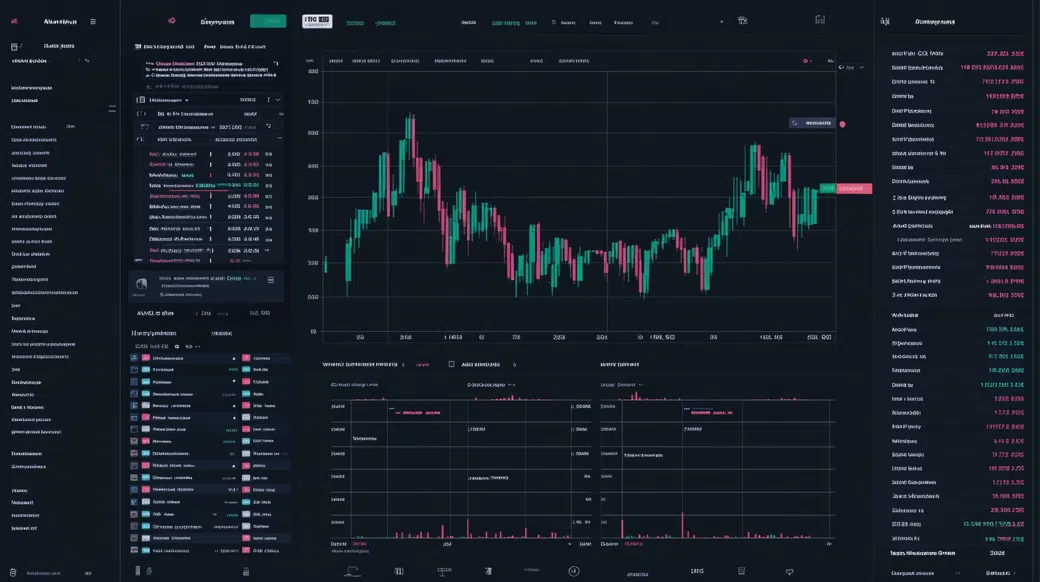
Expect a proprietary WebTrader with basic-to-mid charting rather than a professional workstation. In this segment, chart layouts are usually serviceable for discretionary trading: multiple timeframes, a standard set of indicators (moving averages, RSI, MACD), and drawing tools for trendlines and horizontal levels. Order entry is typically streamlined—market, limit, stop—while advanced order logic (OCO brackets, server-side trailing stops, depth-of-market views) may be thin or absent. Mobile apps (iOS/Android) often mirror the web experience closely, which is convenient, but parity cuts both ways: if the desktop toolset is light, mobile won’t fix it. Execution can feel fine in calm markets, yet fast news spikes are where WebTrader stacks often reveal their limits.
Trading Fees, Spreads, and Account Types at Astor Capitalwick
Cost-wise, the common pattern is a Standard account with EUR/USD around 2.0 pips and a menu of higher-tier accounts that imply “tighter spreads” in exchange for either higher deposits or explicit commissions. If a Raw/ECN-style tier is offered in this category, it’s often framed as ~0.0–0.4 pips plus about $5–$8 round-turn commission, though the effective cost still depends on slippage and fill quality. Don’t ignore non-ticket costs: swaps/overnight financing can dominate P&L in multi-day holds, and some offshore venues use withdrawal or inactivity fees as revenue lines. When you compare platforms like Astor Capitalwick, record the full fee stack and translate it into dollars per month for your typical trade frequency and size.
When Do Traders Start Looking for Astor Capitalwick Alternatives?
Data-driven traders rarely “rage quit” a platform; they leave when the numbers stop adding up. The first red flag is often execution quality: if your fills drift during volatility, the backtest you trusted turns into a different strategy live. Regulation is another catalyst—offshore frameworks can be hard to validate end-to-end, especially around segregated client funds and formal complaint paths. Then comes product mismatch: if your plan evolves from CFDs into real equities, options, or futures, you’ll outgrow a CFD-only shelf fast. That mix of constraints is why Astor Capitalwick alternatives keep coming up in 2026 conversations, particularly among traders who quantify slippage, not vibes.
- You want MT4/MT5 or cTrader for systematic workflows (EAs, advanced order handling, or more robust logs) and the current WebTrader can’t support that stack.
- You’re paying spread-heavy pricing (around 2.0 pips on EUR/USD) and your monthly “round-turn” cost is erasing edge for high-frequency or scalping styles.
- Withdrawals begin to require repeated steps or unexplained delays, raising operational risk beyond normal AML/KYC checks.
- You need regulator-backed safeguards (segregated funds rules, formal dispute channels, compensation schemes) that offshore venues typically don’t provide at the same level.
How to Choose a Reliable Alternative to the Astor Capitalwick Trading Platform
Think of broker selection like designing a data pipeline: you want provenance, observability, and failure handling. For alternatives to the Astor Capitalwick trading platform, start by defining what you must be able to verify (regulation, client-money treatment, and execution disclosures), then match the platform and product set to your strategy. Once you can measure cost and risk consistently, the “best” option becomes a function of your instruments, trade horizon, and how much operational uncertainty you’re willing to absorb.
Regulation, Safety, and Investor Protection
Regulation is not a marketing badge; it’s a rulebook you can audit. FCA-regulated firms (UK) may fall under FSCS coverage up to £85,000 for eligible clients, while CySEC-regulated firms can be associated with the ICF up to €20,000 (eligibility rules apply). ASIC and NFA/CFTC frameworks emphasize capital requirements and conduct standards, with different consumer protections by region. In practice: confirm the broker on the regulator’s public register, check the legal entity name, and look for segregated client funds wording that is consistent and specific.
Available Markets and Instruments
Product breadth is where many brokers similar to Astor Capitalwick diverge sharply. If you only need FX majors, a focused FX/CFD specialist may be enough. If you need equities, ETFs, options, or futures, pick a multi-asset broker that offers real-market access (not just stock CFDs). Also decide what “crypto trading” means for you: CFD exposure is price speculation; it is not on-chain ownership, not self-custody, and it won’t show up in your wallet history.
Trading Costs: Spreads, Commissions, and Other Fees
Spreads are the headline, but round-turn cost is the truth: spread + commission + any execution slippage you routinely experience. A difference between ~2.0 pips and ~0.6–1.0 pip on EUR/USD can be the difference between a viable and a dead strategy at scale. Add swaps/overnight fees for holds beyond a day, and scan for inactivity, deposit/withdrawal, or currency-conversion fees. If you can’t model your all-in cost in a simple spreadsheet, the broker’s pricing is too opaque.
Platforms, Tools, and Execution Quality
Platform choice controls what you can measure. MT4/MT5 and cTrader offer broader tooling for automation, indicators, and trade logs than many WebTraders; proprietary platforms can still be fine if execution is consistent and reporting is complete. Execution model matters: market maker pricing can be stable but may widen in stress; STP/ECN/DMA routing can reduce conflicts but introduces its own liquidity and slippage dynamics. If you’re coming from Astor Capitalwick, run a small live test focused on slippage around news and the quality of partial fills, not just whether orders “go through.”
Support, Education, and Overall User Experience
Operational friction is a hidden fee. Look for support hours that match your trading session, multi-language coverage (US/EU time zones matter), and response times that don’t collapse during volatility. Education should be more than webinars; platform guides, margin policy explanations, and transparent fee tables are stronger signals. Finally, check mobile parity: if you manage risk from a phone, you need full order controls, alerts, and margin visibility—especially when leverage is involved.
Astor Capitalwick and Different Asset Classes: When Alternatives May Be Better
Astor Capitalwick Forex and CFD Trading
Forex/CFDs are where Astor Capitalwick is most likely positioned: roughly 30–50 FX pairs, 8–15 indices, and a small set of commodities—wrapped in a high-leverage offer (treated here as up to 1:500). The catch is that leverage amplifies micro-inefficiencies: a 2.0-pip EUR/USD spread plus occasional negative slippage can dominate outcomes for active systems. Regulated FX specialists such as Pepperstone and OANDA tend to provide tighter pricing options (often ~0.6–1.2 pips on standard-style pricing, or raw spreads with commissions) and more mature execution reporting via MT4/MT5/cTrader or proprietary stacks. For traders who log every fill and compare expected vs. realized entry, those details matter more than instrument count. Remember: CFDs are leveraged products, and margin calls arrive faster than most people model.
Astor Capitalwick Stock and ETF Trading
If your endgame includes building a long-term portfolio, the biggest gap is usually “real” market access. CFD-first venues commonly offer stock exposure as CFDs (price tracking without shareholder rights), or they offer a limited subset that doesn’t map well to diversified ETF allocation. Interactive Brokers and Saxo Bank are structurally different here: they provide access to listed stocks and ETFs across multiple exchanges, with options and futures available for hedging where permitted. That matters for both transparency and mechanics—corporate actions, dividends, and tax documents tend to be clearer in a multi-asset brokerage framework. For investors using factor models or systematic rebalancing, having dependable instrument identifiers, exchange routing (DMA where available), and robust statements is often the deciding factor among top substitutes for Astor Capitalwick.
Astor Capitalwick Crypto Trading
In offshore CFD ecosystems, “crypto trading” usually means crypto CFDs: you’re trading a derivative price feed, not acquiring on-chain assets. That can be acceptable for short-term hedging or speculation, but it won’t let you withdraw to a wallet, and it won’t produce blockchain transaction evidence because no on-chain settlement occurs. If you want regulated, broker-based crypto CFD exposure in certain jurisdictions, IG and Plus500 are often used by retail traders for simplified access (availability varies by region and rules can change). If your goal is strict auditability—tracking ownership and flows—consider separating functions: use a regulated broker for FX/indices and a dedicated, compliant crypto venue for spot holdings (outside the scope of this broker-only list). Either way, treat crypto volatility + leverage as a compounded risk, not a feature.
Best Astor Capitalwick Alternatives for 2026: Comparison of Top Trading Platforms
Interactive Brokers (IBKR): Key Facts and How It Compares to Astor Capitalwick
Regulation: SEC/FINRA (US), FCA (UK), IIROC (Canada)
Markets: Stocks, ETFs, options, futures, bonds, FX
Fees: FX pricing varies by venue/plan; equity commissions depend on market and tier; focus is typically low all-in cost for active users
Platform: Trader Workstation (TWS), IBKR mobile, web platform, APIs
Best For: Quant-style multi-asset traders who need APIs and real market access
Pepperstone: Key Facts and How It Compares to Astor Capitalwick
Regulation: FCA (UK), ASIC (Australia), CySEC (Cyprus), DFSA (Dubai)
Markets: FX, CFDs (indices, commodities, some shares depending on entity)
Fees: EUR/USD often ~0.0–0.3 pips + commission on Razor/Raw; ~1.0–1.3 pips on Standard (conditions vary)
Platform: MT4, MT5, cTrader, TradingView integration (where available)
Best For: Cost-sensitive FX traders running MT4/MT5 or cTrader
Saxo Bank: Key Facts and How It Compares to Astor Capitalwick
Regulation: FCA (UK), MAS (Singapore), DFSA (Dubai)
Markets: Stocks, ETFs, bonds, FX, options, futures, CFDs
Fees: Pricing depends on tier; FX spreads often competitive for larger accounts; commissions apply to exchange-traded products
Platform: SaxoTraderGO, SaxoTraderPRO
Best For: Portfolio-focused traders who want a single, regulated multi-asset account
OANDA: Key Facts and How It Compares to Astor Capitalwick
Regulation: CFTC/NFA (US), FCA (UK), ASIC (Australia), IIROC (Canada)
Markets: FX (core), CFDs in some regions (indices/commodities)
Fees: Typically spread-only pricing on many accounts; EUR/USD commonly around ~0.6–1.2 pips depending on region and conditions
Platform: OANDA Trade (web/mobile), MT4
Best For: US-eligible FX traders prioritizing regulatory clarity
IG: Key Facts and How It Compares to Astor Capitalwick
Regulation: FCA (UK), ASIC (Australia), MAS (Singapore)
Markets: CFDs (indices, FX, commodities, shares), spread betting (UK/IE where eligible)
Fees: Costs vary by instrument; major FX spreads are often competitive for retail; financing applies to overnight CFD positions
Platform: IG web platform, mobile apps, MT4 (in some regions)
Best For: Macro-driven CFD traders who want broad index/sector coverage
Plus500: Key Facts and How It Compares to Astor Capitalwick
Regulation: FCA (UK), CySEC (Cyprus), ASIC (Australia), MAS (Singapore)
Markets: CFDs (FX, indices, commodities, shares; crypto CFDs where permitted)
Fees: Primarily spread-based; typical major FX spreads often around ~0.6–1.5 pips depending on instrument and conditions; overnight fees apply
Platform: Plus500 proprietary web and mobile platforms
Best For: Beginners who prefer a simplified CFD interface over pro tooling
Comparison Summary
| Platform | Regulation | Main Markets | Typical Costs | Best For |
|---|---|---|---|---|
| Interactive Brokers (IBKR) | SEC/FINRA, FCA, IIROC | Stocks/ETFs, options, futures, bonds, FX | Variable by product/tier; designed for low all-in costs for active users | Quant-style multi-asset traders who need APIs and real market access |
| Pepperstone | FCA, ASIC, CySEC, DFSA | FX + CFDs | Raw ~0.0–0.3 pips + commission; Standard ~1.0–1.3 pips | Cost-sensitive FX traders running MT4/MT5 or cTrader |
| Saxo Bank | FCA, MAS, DFSA | Stocks/ETFs, options/futures, FX, CFDs | Tiered pricing; commissions on exchanges; FX spreads vary by account level | Portfolio-focused traders who want a single, regulated multi-asset account |
| OANDA | CFTC/NFA, FCA, ASIC, IIROC | FX (primary), some CFDs by region | Often spread-only; EUR/USD commonly ~0.6–1.2 pips | US-eligible FX traders prioritizing regulatory clarity |
| IG | FCA, ASIC, MAS | CFDs across FX/indices/commodities/shares | Instrument-dependent; overnight financing on CFDs | Macro-driven CFD traders who want broad index/sector coverage |
| Plus500 | FCA, CySEC, ASIC, MAS | CFDs incl. FX/indices/commodities/shares | Spread-based; often ~0.6–1.5 pips on major FX (varies) + overnight fees | Beginners who prefer a simplified CFD interface over pro tooling |
How to Safely Move from Astor Capitalwick to Another Broker
Switching brokers is less like “changing apps” and more like re-wiring counterparty exposure. Do it in a sequence that preserves control of identity, cash, and records—especially if you trade leveraged CFDs where margin and liquidation rules can bite fast. If you treat the move as a migration with checkpoints, you reduce the odds of being stuck mid-transfer during a volatile week.
- Confirm the new broker’s exact legal entity on the relevant public register (FCA Register, ASIC Connect, CySEC listings, or NFA BASIC) and screenshot the entry for your files.
- Open the new account and complete KYC/AML first (government ID + proof of address), so you’re not waiting on verification while your funds are in limbo.
- Export statements, confirmations, and full trade history from Astor Capitalwick; keep them for tax, performance analytics, and dispute evidence.
- Flatten open positions before moving cash, then re-enter on the new venue if you still want exposure—position transfers between unrelated brokers are not a normal retail feature.
- Request withdrawals using the same rail you deposited with (card/bank/wallet), since many firms enforce this path under AML rules; document timestamps and reference numbers.
Ready to Explore Astor Capitalwick?
If you’re still evaluating the current offering, check regional eligibility, fee tables, and platform capabilities before committing new capital. Then compare it side-by-side with the Astor Capitalwick trading platform alternatives 2026 listed above, using the same trade size and holding period to keep the math honest.
Visit Astor CapitalwickFAQ: Astor Capitalwick Alternatives and Trading Platforms
What is the best alternative to Astor Capitalwick in 2026?
The best option depends on whether you need real multi-asset access or mainly FX/CFDs at low cost. For exchange-traded stocks/ETFs plus options/futures tooling, Interactive Brokers or Saxo Bank are common picks; for FX-focused execution with MT4/MT5/cTrader, Pepperstone is frequently shortlisted. If you want regulated, broad-market CFDs, IG is a practical comparator. This article’s Astor Capitalwick alternatives are chosen to cover different strategy “shapes,” not one universal winner.
Is Astor Capitalwick a safe broker/platform?
Astor Capitalwick is best treated as operating under an offshore framework (Seychelles FSA in this guide), which typically provides fewer investor-protection mechanisms than FCA/ASIC/NFA regimes. That doesn’t automatically mean fraud, but it does change the risk profile around oversight, dispute resolution, and how client-money safeguards are enforced. If your priority is verifiable protections (segregation rules, formal complaint pathways, compensation schemes where applicable), regulated options vs Astor Capitalwick are easier to audit.
Can I trade stocks, futures, or crypto with Astor Capitalwick?
On venues in this category, forex and CFDs tend to be the core, with crypto often offered as crypto CFDs rather than on-chain ownership. Stock exposure, when present, is commonly structured as share CFDs (no shareholder rights), and listed futures access is not a typical retail feature. If you specifically want real stocks/ETFs or futures, brokers similar to Astor Capitalwick won’t usually match a multi-asset broker like IBKR or Saxo.
What should I check before switching from Astor Capitalwick to another platform?
Before switching, verify the new broker’s legal entity on the regulator’s own register, then read the margin and negative-balance rules for your region. Next, model your all-in trading cost (spread + commissions + swaps) using your typical holding time and trade frequency, and test execution with small size to observe slippage. Finally, export your complete statements and confirm withdrawal rails so your move from Astor Capitalwick alternatives is operationally clean.
About the Author: Alice Wu is a data scientist and financial journalist who evaluates trading risk the way she evaluates systems: by tracing inputs, outputs, and failure cases. Her market lens is transaction-first—when claims conflict with observable records, she trusts the data and rebuilds the narrative from there.