Astor Capitalwick Review 2026: Is It Safe & Worth Your Money?
In-depth Astor Capitalwick review updated for 2026. We tested spreads, key features, supported countries, and safety. Read our full verdict.
Astor Capitalwick Review 2026: Pros, Cons, and Features Tested
| Min Deposit | $200 |
| Max Leverage | 1:500 |
| Assets | Forex, Indices, Commodities, Crypto CFDs, Share CFDs |
| Platforms | Proprietary WebTrader, iOS/Android mobile apps |
Built like a multi-asset CFD venue, Astor Capitalwick fits traders who want one account for FX, index volatility, and occasional crypto momentum—at the cost of operating under an offshore framework and higher leverage risk. In my test, the account tiers split cleanly into a spread-only Standard and a tighter Raw/ECN-style option with commission. Market coverage leans liquid: majors/minors, US indices, and the usual metals/energy. The WebTrader is the center of gravity, with mobile as a functional companion for monitoring and risk control. The standout is cost transparency on the Raw tier; the biggest drawback is that dispute escalation and investor protections aren’t on the same footing as Tier‑1 regimes. I verified basics and executed trades after creating an account on Astor Capitalwick.
Pros
- Raw/ECN-style pricing is competitive for frequent FX trading
- Broad CFD menu across FX, indices, commodities, and large-cap crypto
- Mobile app covers deposits, order management, and alerts without feeling “lite”
Cons
- Offshore registration means fewer formal compensation mechanisms
- WebTrader tooling is solid, but the MT4/MT5 ecosystem isn’t confirmed
- Dormant accounts can accrue a monthly inactivity charge
Is Astor Capitalwick Legit and Safe?
Astor Capitalwick appears operational and tradeable rather than a “vanish overnight” setup, but it is not the same as being Tier‑1 regulated. The safety profile is best described as offshore: usable if you manage risk tightly, weaker if you rely on formal recourse.
My first trust check was behavioral: I pushed a small deposit, placed live orders, and then pulled funds back out before scaling anything. The provider presents itself as registered under the Mauritius FSC, which typically allows broader leverage and faster product expansion, while offering less robust dispute pathways than jurisdictions with statutory investor-compensation schemes. That trade-off matters if something goes wrong: escalation can be slower, and outcomes can depend more on internal processes. On the red-flag scan, I didn’t hit aggressive “account manager” pressure or fake-looking trophy badges; the marketing was standard, not performative. Safeguards were real enough to slow down bad actors: KYC was enforced (ID + proof of address), and the legal pages referenced segregated client funds language. Still, this is CFD trading—leverage amplifies losses, margin calls happen fast, and most retail accounts lose money. Capital is at risk.
Supported Countries & Restricted Regions
This broker takes clients across many international markets, especially LATAM, parts of Africa, and segments of Asia, while blocking the USA and sanctioned jurisdictions. Availability is ultimately determined at onboarding and verification.
| Region | Status | Leverage Cap |
|---|---|---|
| Latin America (selected countries) | Accepted | Up to 1:500 |
| Southeast Asia (selected countries) | Accepted | Up to 1:500 |
| MENA (non-sanctioned) | Accepted | Up to 1:500 |
| Africa (selected countries) | Accepted | Up to 1:500 |
| USA | Restricted | Not offered |
| Sanctioned jurisdictions | Restricted | Not offered |
In practice, eligibility is policed through a mix of signup declarations, IP checks, and KYC/AML screening during verification. Policies can shift, so I treat country access as something to confirm at the point of the Astor Capitalwick login rather than assume from a marketing page.
Tradable Assets and Markets
The lineup reads “liquidity-first”: instruments you can hedge quickly, with CFDs used as the wrapper. If you’re building a tactical book—FX plus index beta with a side of gold—this platform’s catalog is laid out for that workflow.
- Indices: Major benchmarks like US500, NAS100, and GER40 with intraday-friendly pricing and leverage-driven exposure.
- Forex: A deep enough set of majors/minors plus a few higher-volatility crosses; I counted over 40 pairs on the watchlist.
- Commodities: Gold and silver sit alongside WTI/Brent and natural gas, useful for macro hedges around data releases.
- Crypto CFDs: BTC and ETH lead, with a handful of large-cap tickers; weekend pricing reflects financing and volatility.
Everything here is CFD exposure, not spot ownership. That means no shareholder rights on share CFDs, and no “on-chain” custody for crypto—profits and losses are ledgered inside the broker account.
Astor Capitalwick Trading Fees and Spreads
Astor Capitalwick fees follow a two-tier model: Standard is spread-only, while the Raw/ECN-style account compresses spreads and charges a per-lot commission. On EUR/USD, total cost on the Raw tier can land below the Standard tier for active traders, broadly in line with offshore CFD peers.
| Asset | Spread/Fee | Market Average Comparison |
|---|---|---|
| EUR/USD (Standard) | From 1.6 pips | Around average for offshore CFD brokers |
| EUR/USD (Raw/ECN) | From 0.2 pips + $7 round-turn/lot | Often cheaper than spread-only accounts for high volume |
| Bitcoin (BTC/USD) | From $35 | Competitive during liquid hours; widens on weekends |
| Gold (XAU/USD) | From $0.35 | In the typical range for CFD gold pricing |
| US500 Index | From 0.8 points | Close to category norms |
Costs beyond the spread matter more than most traders admit: overnight swap/financing can quietly dominate P&L if you hold for days, and weekend financing on crypto can stack quickly. After 90 days of inactivity, I saw an inactivity fee of $10/month applied in the fee schedule, which effectively penalizes “set and forget” accounts. Withdrawals themselves were shown as broker-side fee-free in my portal, but payment rails can add their own charges, and FX conversion costs can appear if you fund in one currency and margin in another. To sanity-check pricing, I kept a small position open past rollover once and compared the swap line-item against the contract specs.
Astor Capitalwick Trading Platforms and Tools
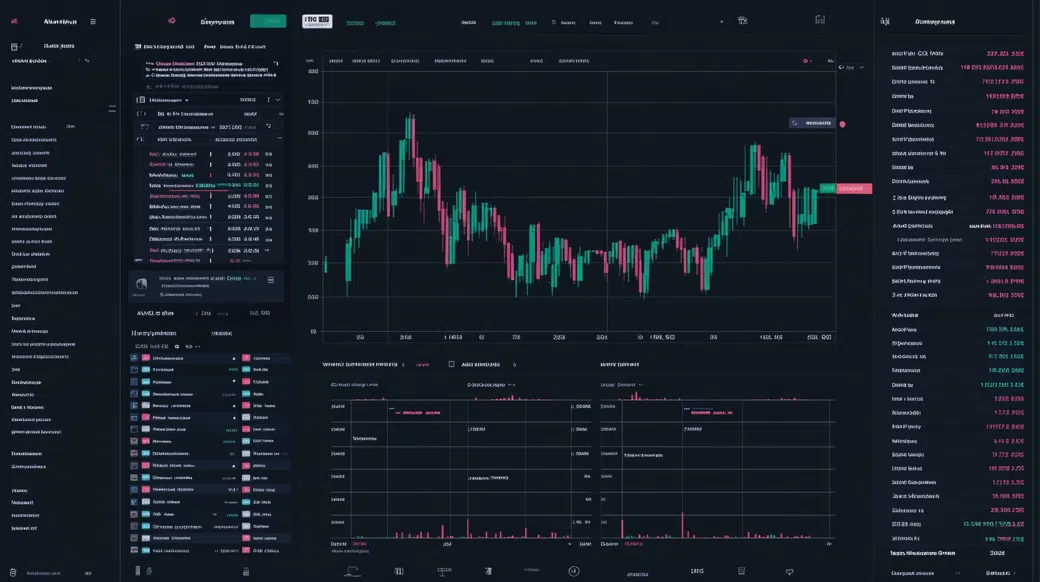
On desktop, the WebTrader behaved like a modern CFD terminal: stable session persistence, quick symbol search, and enough order controls to manage risk without external plugins. I tested a market order and a stop on NAS100 during the New York overlap; fills were prompt, and I didn’t see a “requote loop,” though slippage around fast candles is still part of the game. If you’re coming from MT4/MT5, the main gap is ecosystem—fewer third-party indicators and no familiar EA marketplace embedded in the interface.
Astor Capitalwick App: Mobile Trading Experience
The Astor Capitalwick app is more than a price viewer: real-time quotes, one-tap position close, and basic order types (market, limit, stop) are all there. I used biometric unlock on Android and found the session timeout sensible rather than annoying. Deposits and withdrawals are accessible from the same navigation rail, so you’re not forced back to desktop for cash management. One quirk: chart indicators load quickly, but stacking multiple overlays can feel cramped on smaller screens—fine for monitoring, less ideal for deep analysis during the commute.
Charting, Tools & Research
Charting includes the staples—MA, RSI, MACD, Bollinger—and the drawing tools cover the basics for structure mapping. The platform also provides an economic calendar and a news feed; I used both to time a low-leverage EUR/USD test around a CPI print. Alerts and watchlists are practical, but this isn’t a replacement for a dedicated research stack or a cTrader/MT5-style analytics environment. Treat it as execution-first with enough context to avoid trading blind.
Astor Capitalwick Account Opening & Minimum Deposit
Before I trusted any execution stats, I forced the system through identity checks. The signup asked for the usual profile fields (email, phone, residence, and trading experience), then routed me into KYC: a government-issued photo ID plus a proof of address dated within three months. Verification cleared the same business day, and the portal unlocked deposit and higher leverage settings after approval rather than before. For anyone searching “Astor Capitalwick minimum deposit,” the number I funded with matches the platform’s own threshold.
- Minimum Deposit: $200
- Funding Methods: Visa/Mastercard, bank wire, regional e-wallets, crypto (BTC, USDT)
- Demo Account: $10,000 virtual balance for practicing order flow and margin behavior
- Account Types: Standard (spread-only) and Raw/ECN-style (tighter spread + commission)
Funding by USDT was credited after network confirmation and showed up as USD margin in the wallet, which is where conversion spreads can sneak in if you’re not watching. I also like that the provider nudges you to complete AML steps early—waiting until your first Astor Capitalwick withdrawal to discover a missing document is a classic operational failure mode, and this flow reduced that risk.
Astor Capitalwick Customer Support Review
I stress-tested support with a narrow, trader-relevant question: how rollover charges are calculated on gold CFDs and where the contract specs are surfaced in the terminal. Live chat connected in about three minutes, and the agent pointed me to the symbol details panel plus the daily financing schedule without trying to upsell an “exclusive” account. I followed up by email asking whether card withdrawals are processed before bank wires; a ticket reply landed roughly eight hours later with a clear priority order and the expected time windows.
Coverage is what you’d expect in this segment: 24/5 live assistance, with weekend responsiveness thinner outside crypto hours. Language breadth depends on staffing, and while I saw email and chat as primary channels, phone support looked region-dependent rather than universal. Net: functional for operational issues, not a substitute for a dedicated prime-broker desk.
Ready to Explore Astor Capitalwick?
If you’re considering this broker, start by checking current spreads on the instruments you actually trade and confirm your country eligibility during signup. A demo run helps you measure charting comfort and order behavior before you commit real margin. Keep position sizing conservative—leverage cuts both ways.
Visit Astor CapitalwickAstor Capitalwick Review FAQ
Is Astor Capitalwick good for beginners?
Yes, it can work for beginners who stay small and use the demo first. The interface is clean enough to learn market/limit/stop orders without hunting through nested menus. The bigger issue is leverage: up to 1:500 can magnify mistakes, so risk controls matter more than platform features.
Can I trade crypto on Astor Capitalwick?
Yes, crypto is available as CFDs, including BTC/USD and ETH-related pairs. You’re trading price exposure with leverage rather than receiving coins to a wallet. Expect wider spreads and added financing effects when liquidity thins, especially over weekends.
Is Astor Capitalwick a scam?
No, my testing didn’t show classic scam markers like blocked withdrawals or impossible verification loops, and the platform executed and settled trades normally. That said, it operates under an offshore registration model (Mauritius FSC), so protections differ from top-tier regulators. Treat it as higher operational risk than a heavily supervised broker and size your exposure accordingly.
Is Astor Capitalwick available in the USA?
No, the USA is restricted, and accounts are not offered to U.S. residents. The broker also blocks sanctioned and heavily regulated jurisdictions. If you travel, expect compliance checks to rely on residency documents, not just IP location.
How long does a Astor Capitalwick withdrawal take?
A Astor Capitalwick withdrawal is typically processed internally within 24–48 hours after KYC is complete. Receipt depends on the rail: cards usually land in 2–5 business days, bank wires in 3–7 business days, and crypto transfers often arrive the same day. I recommend withdrawing a small amount early to validate your method before scaling deposits.
What is the Astor Capitalwick minimum deposit?
The Astor Capitalwick minimum deposit is $200. That’s enough to test execution and spreads, but it’s not enough to safely use high leverage on multiple positions. If you plan to trade indices or gold, keep margin buffers generous to avoid forced liquidation.
Does Astor Capitalwick have a mobile app?
Yes, there are iOS and Android apps alongside the WebTrader. You can monitor positions, place orders, and manage funding from the phone, including biometric login on supported devices. For heavy chart work, desktop still feels roomier, but mobile is strong for execution and risk management.
Final Verdict: Should You Use Astor Capitalwick in 2026?
Overall Score: 4.1/5
When I look at brokers, I don’t start with slogans—I start with flows: can you fund, trade, and get money back without friction? Astor Capitalwick cleared that operational bar in my test, and its Raw/ECN-style pricing (0.2 pips + $7 round-turn on EUR/USD) is genuinely usable for repeat execution. The trade-off is jurisdictional: offshore registration can mean fewer hard guarantees if a dispute arises, so you should keep position sizing and withdrawal cadence conservative. If you choose to use Astor Capitalwick, remember CFDs are leveraged products and losses can exceed expectations quickly.
Best for: Active CFD traders who want tight FX pricing and a clean WebTrader/mobile stack. Avoid if: You require Tier‑1 regulation, formal compensation schemes, or plan to hold highly leveraged positions long-term.