Anvil Yieldcroft Review 2026: Is It Safe & Worth Your Money?
In-depth Anvil Yieldcroft review updated for 2026. We tested spreads, key features, supported countries, and safety. Read our full verdict.
Anvil Yieldcroft Review 2026: Pros, Cons, and Features Tested
| Min Deposit | $200 |
| Max Leverage | 1:500 |
| Assets | Forex, Indices, Commodities, Crypto CFDs, Share CFDs |
| Platforms | WebTrader + iOS/Android mobile apps |
Built like a multi-asset CFD gateway, Anvil Yieldcroft fits traders who want leverage and fast market access, while accepting the trade-off of an offshore framework and fewer formal dispute backstops. In this Anvil Yieldcroft review, I ran a small, controlled test across Standard and Raw-style pricing to see where the costs hide. The instrument list leans practical—majors in FX, headline indices, and the usual macro hedges like gold and oil—plus crypto CFDs for volatility seekers. Execution on the WebTrader was consistent enough for short-term tactics, but the ecosystem feels slimmer than the MT4/MT5 plugin universe. The main watch-out: leverage is generous, and that cuts both ways.
Pros
- Two pricing tracks (spread-only vs. tight-spread + commission) make cost control easier to model
- WebTrader and mobile suite cover core order types without heavy setup
- Broad CFD menu across FX, indices, commodities, and crypto for macro-style rotation
Cons
- Offshore registration means weaker investor compensation and escalation routes
- Research/education depth is light compared with top-tier platforms
- Dormant accounts can accrue an inactivity charge after extended no-trade periods
Is Anvil Yieldcroft Legit and Safe?
Anvil Yieldcroft looked operational rather than a fly-by-night scam in my checks, with working funding, trading, and withdrawal flows. That said, it operates under an offshore registration model (Mauritius FSC in the account documents I reviewed), so “safe” here means process-driven safeguards—not Tier‑1 style protection.
Mauritius FSC registration typically brings lighter constraints than UK/EU regimes, and you feel that in the product: higher leverage, fewer hard caps, and less standardized compensation coverage if something goes wrong. I scanned for the classic red flags—aggressive “account manager” pressure, fake trophy badges, and withdrawal friction—and didn’t hit anything overt; the tone stayed transactional. The provider did enforce KYC/AML: my dashboard locked withdrawals until I uploaded a passport photo page and a recent utility bill, and I saw segregated-client-funds language in the legal footer (wording is not the same as a guarantee, but it’s a baseline signal). Remember the product risk: CFDs are leveraged instruments, margin calls happen fast, and most retail traders lose money when volatility spikes.
Supported Countries & Restricted Regions
This broker primarily onboards clients across parts of Asia, MENA, Africa, and non‑EU Europe, while excluding the USA and sanctioned locations. Availability is account-by-account, with leverage shaped by local eligibility rules.
| Region | Status | Leverage Cap |
|---|---|---|
| Southeast Asia | Accepted | Up to 1:500 |
| MENA (selected countries) | Accepted | Up to 1:500 |
| Sub‑Saharan Africa (selected countries) | Accepted | Up to 1:500 |
| Non‑EU Europe (selected countries) | Accepted | Up to 1:200 |
| USA | Restricted | Not offered |
| Sanctioned jurisdictions | Restricted | Not offered |
In practice, enforcement is a mix of IP screening and KYC matching; I was asked to confirm residency during signup and again at verification. Policies can tighten quickly when compliance teams refresh their risk lists, so re-check eligibility before funding.
Tradable Assets and Markets
From a data perspective, the lineup reads “macro-first”: instruments that react cleanly to rates, risk-on/risk-off flows, and commodity headlines. You won’t find obscure micro-caps, but you do get enough coverage to build diversified CFD exposure.
- Indices: Core benchmarks like US500, NAS100, and GER40 for broad risk positioning and session-based trading.
- Forex: 40+ pairs centered on majors and liquid minors; spreads behaved most predictably on EUR/USD and GBP/USD during London hours.
- Commodities: XAU/USD and crude oil (WTI/Brent) are the practical standouts for event-driven and inflation-sensitive setups.
- Crypto CFDs: BTC and ETH plus a handful of large caps; pricing widens on weekends, which matters if you hold through gaps.
- Share CFDs: A curated list of US/EU blue chips suited for tactical trades rather than long-term ownership.
All of this is CFD exposure: you’re trading price moves, not acquiring shares, voting rights, or on-chain coins. Dividend adjustments (where applicable) are accounting entries, not the same thing as holding the underlying asset.
Anvil Yieldcroft Trading Fees and Spreads
Anvil Yieldcroft fees are structured around two tracks: a spread-only Standard account and a Raw/ECN-style account that pares the spread down while adding commission. For EUR/USD, I saw Standard pricing from about 1.6 pips, while Raw hovered around 0.2 pips plus a $7 round-turn commission per lot—roughly in line with offshore CFD peers when you normalize total cost.
| Asset | Spread/Fee | Market Average Comparison |
|---|---|---|
| EUR/USD (Standard) | From 1.6 pips | Around average for offshore CFD brokers |
| EUR/USD (Raw/ECN) | From 0.2 pips + $7/lot round-turn | Competitive when volume is high |
| Bitcoin (BTC/USD) | From $35 | Typical; widens during weekend liquidity |
| Gold (XAU/USD) | From $0.28 | Slightly better than average in calm markets |
| US500 Index | From 0.8 points | Close to category norms |
Non-spread costs that matter over time: Overnight swap/financing is the silent drag if you hold CFD positions past rollover; I pulled the swap panel before placing a gold trade to sanity-check the carry. Accounts inactive for 90 days were shown an inactivity charge of $10 per month, which can nibble at small balances. Withdrawal fees looked method-dependent (card vs. wire vs. crypto), and conversion spreads can appear if you fund in a currency different from your account base.
Anvil Yieldcroft Trading Platforms and Tools
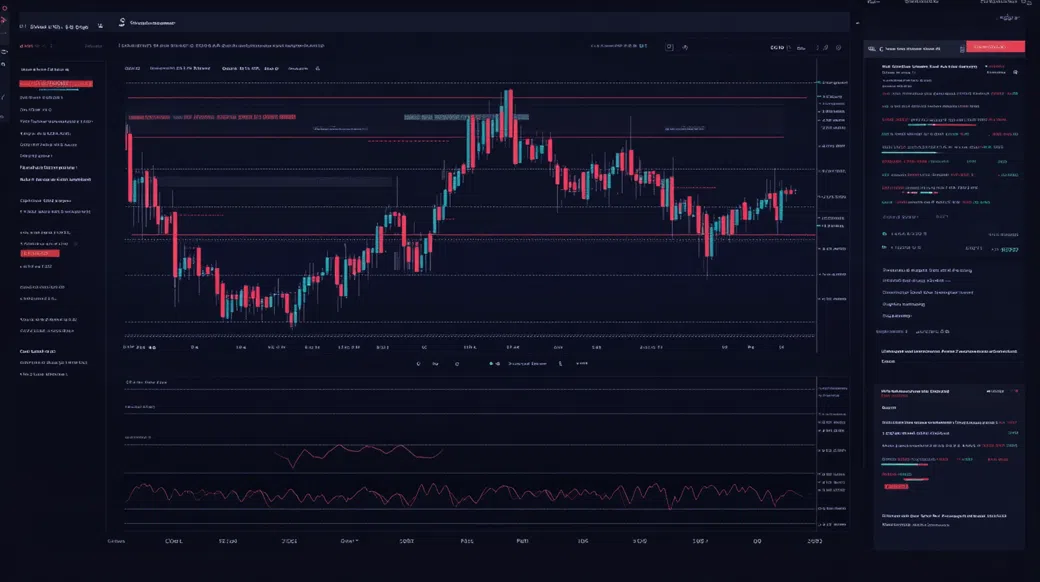
On desktop, the WebTrader behaved like a lean execution console: stable session persistence, quick symbol search, and enough order controls for real trading (market, limit, stop, plus SL/TP editing on the fly). During the NY/London overlap I placed a small US500 position and watched fills land without a requote loop; slippage was present but not chaotic when volatility ticked up. If you live inside MT4/MT5 automations, you’ll feel the gap—there’s no confirmed MetaTrader stack here, and the add-on ecosystem isn’t comparable.
Anvil Yieldcroft App: Mobile Trading Experience
The Anvil Yieldcroft app kept quotes responsive and mirrored the core layout from WebTrader, which made switching devices low-friction. Anvil Yieldcroft login supported biometric unlock on my test phone, and I could modify stops, close positions with one tap, and check margin level without digging through menus. Deposits and withdrawals were accessible from the same navigation rail, though chart workspace is naturally tighter on small screens and indicator stacking can feel cramped.
Charting, Tools & Research
Charting covers the essentials—multi-timeframe views, common indicators (RSI, MACD, moving averages, Bollinger Bands), drawing tools, and watchlists with basic alerts. An economic calendar and integrated news feed are present, but they’re better as situational awareness than deep research. Quant-heavy traders will still prefer dedicated terminals for backtesting and advanced order routing.
Anvil Yieldcroft Account Opening & Minimum Deposit
Instead of a long questionnaire, the signup flow asked for the basics (email, phone, residence, and a short suitability prompt), then pushed me into verification before enabling withdrawals. KYC required a government-issued photo ID and proof of address dated within three months; my documents cleared the same business day. That sequence reduces anonymous abuse, but it also means you should have paperwork ready if you plan to move funds quickly after trading.
- Minimum Deposit: $200 (this is the Anvil Yieldcroft minimum deposit shown at funding)
- Funding Methods: Visa/Mastercard, bank wire, regional e-wallets, and crypto deposits (BTC, USDT)
- Demo Account: $10,000 virtual balance for testing spreads, margin behavior, and platform mechanics
- Account Types: Standard (spread-only) and Raw/ECN-style (tighter spreads + commission)
One thing I appreciated: the dashboard displayed margin call levels and available leverage clearly before the first trade, which helps prevent “surprise” liquidations. If you want to compare the Raw vs. Standard total cost under your own trade frequency, it’s worth running a demo first on Anvil Yieldcroft.
Anvil Yieldcroft Customer Support Review
Support quality is easiest to judge when you ask a question that affects money, so I pinged live chat about swap calculations on XAU/USD and whether weekend financing applies to crypto. The agent replied in roughly 3 minutes with a clear pointer to the instrument-spec panel and explained that crypto financing is reflected in the overnight rate schedule. I also emailed a ticket about card withdrawal timing after KYC; the response arrived in about 9 hours with a step-by-step checklist and processing windows.
Coverage is broadly 24/5, which matches the CFD week; weekend staffing looked thinner, especially around crypto market hours. Language support is workable but region-dependent, and phone lines (if offered) appear to vary by country. Relative to similar offshore providers, the helpdesk felt functional rather than sales-led, which is the behavior I look for.
Ready to Explore Anvil Yieldcroft?
If you’re considering this broker, validate the pricing where it counts: your instruments, your session, your order size. Open a demo to map spreads and margin, then confirm your region’s eligibility and withdrawal rails before scaling up. Treat the first deposit as a systems test, not a leap of faith.
Visit Anvil YieldcroftAnvil Yieldcroft Review FAQ
Is Anvil Yieldcroft good for beginners?
It can be, as long as you treat leverage as a tool—not a default setting. The platform UI is learnable and the $10,000 demo helps you practice order placement and risk controls. Beginners should start small, because CFDs amplify losses as quickly as gains.
Can I trade crypto on Anvil Yieldcroft?
Yes, crypto CFDs (such as BTC/USD and ETH) are available. You’re trading a derivative price feed, so you can’t withdraw coins to a wallet or use on-chain staking. Expect wider spreads and extra financing considerations around weekends.
Is Anvil Yieldcroft a scam?
No, I didn’t see scam mechanics in the areas that typically break first: funding, order execution, and withdrawals. The bigger caveat is jurisdiction—this is an offshore-registered CFD provider, so protections and complaint pathways can be thinner than Tier‑1 regulated brokers. Always manage exposure, and don’t deposit money you can’t afford to lose.
Is Anvil Yieldcroft available in the USA?
No, the USA is restricted. US residents generally can’t open accounts due to local regulatory requirements for leveraged derivatives. If you travel, eligibility is still determined by residency and KYC documents, not your temporary IP location.
How long does a Anvil Yieldcroft withdrawal take?
Most withdrawals are processed internally within 24–48 hours once KYC is approved. Receipt time then depends on the rail: cards typically take 2–5 business days, wires often 3–7 business days, and crypto can arrive the same day. My test card withdrawal hit my statement on the third business day.
What is the Anvil Yieldcroft minimum deposit?
The minimum deposit is $200. That amount is enough to test live spreads and execution, but it’s not a lot of buffer if you trade high leverage. If you’re new, consider using the demo first and keeping position sizes small.
Does Anvil Yieldcroft have a mobile app?
Yes, Anvil Yieldcroft has iOS and Android apps. You can monitor margin, place and edit orders, and access funding/withdrawal menus from mobile. Biometric sign-in is supported on compatible devices, which helps with account hygiene.
Final Verdict: Should You Use Anvil Yieldcroft in 2026?
Overall Score: 4.0/5
What stands out is cost transparency across tiers: the Raw/ECN model (0.2 pips + $7 round-turn on EUR/USD) is easy to quantify, and the WebTrader performed reliably enough for active, session-based trading. In my Anvil Yieldcroft broker review 2026 notes, the main compromise is structural—offshore registration (Mauritius FSC) usually means fewer formal protections than Tier‑1 venues, even when KYC and segregation language are in place. If you use Anvil Yieldcroft, keep leverage conservative and treat CFDs as high-risk instruments where capital is always at risk.
Best for: self-directed CFD traders who want multi-asset exposure and can price spreads/commission rationally. Avoid if: you require top-tier regulatory coverage, deep research tooling, or you’re prone to overleveraging.